Team Ninja has finally lifted the curtain on Nioh 3’s PC system requirements, and the message is clear: this is an action RPG built first and foremost for smooth 1080p gameplay, not just a brute-force benchmark for monster rigs. According to the official Steam page, the studio outlines separate targets for 1080p at 30 and 60 frames per second, with mid-range GPUs like the GeForce RTX 3060 Ti and Radeon RX 6700 XT listed for the 60 FPS experience when upscaling is enabled.
On paper, that sounds almost friendly in an era where some big releases casually demand top-tier hardware for modest resolutions. 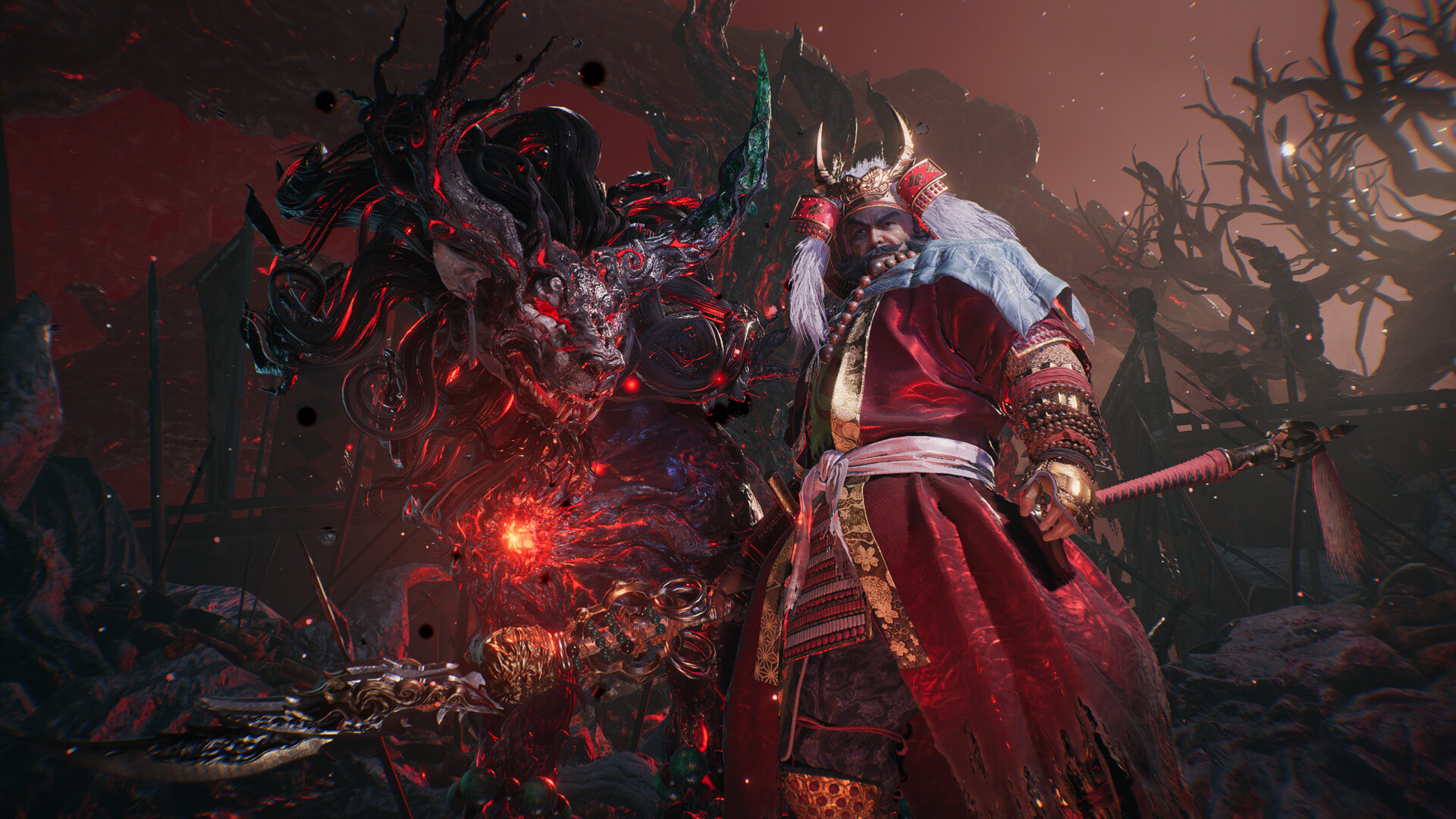
A modern six-core CPU, 16 GB of RAM, and a solid-state drive are the sort of specs many PC players now consider the standard for serious gaming, not a luxury. Still, the mention of 16 GB as the practical baseline has already sparked debate: budget-focused builders see yet another major release drifting out of reach, while others shrug and say this is simply the new normal for demanding action titles.
The big asterisk in Nioh 3’s requirements is upscaling. To hit 1080p at 60 FPS with that RTX 3060 Ti or RX 6700 XT tier of GPU, the game expects you to lean on image reconstruction rather than brute-force native rendering. Whether the final build uses DLSS, FSR, or a mix of techniques, the idea is the same: render at a lower internal resolution, then rebuild the image to make hectic combat feel silkier without sacrificing too much sharpness. For a fast, timing-sensitive game where a single missed dodge can cost you a run, that extra fluidity matters more than pixel counting.
The Steam listing also confirms support for Frame Generation, another major performance lever for players who value sheer responsiveness. By synthesizing extra frames between traditionally rendered ones, the game can present a much higher frame rate on screen. That can make Nioh 3 feel dramatically smoother, especially on high-refresh monitors, though it comes with trade-offs in input latency and visual artifacts that competitive purists will scrutinize closely. In a high-stakes action RPG, some fans will prefer a lower but fully “real” frame rate, while others will happily embrace every tool available to chase that 120 Hz feeling.
Of course, PC veterans have learned the hard way not to treat any requirements table as gospel. Team Ninja’s recent history on PC is mixed: while the Nioh series earned a reputation for relatively efficient, scalable engines, newer titles like Wo Long: Fallen Dynasty and Rise of the Ronin hit the platform with rough launches. CPU spikes, shader stutter, and performance well below what the listed specs implied left many players dialing back settings far more than they expected. On that backdrop, some Nioh 3 fans are cautiously optimistic, others outright skeptical, and almost everyone is waiting for real-world benchmarks before making final judgments.
The early community reaction captures that split perfectly. One commenter jokingly declared the game “Steam machine DOA” and lamented that a 16 GB minimum means most budget builds are “already cooked”. At the same time, another player pointed out they ran Nioh 2 at 2560 × 1440 on an aging R9 380 4 GB from 2015, praising Team Ninja for historically low and scalable requirements. For them, the studio has earned the benefit of the doubt; they see Nioh 3’s specs as conservative rather than aggressive, and are simply hoping the new game continues that tradition.
Beyond the numbers, Nioh 3 is positioned as the culmination of Team Ninja’s recent work in the genre. This third mainline entry leans even harder into buildcraft, weapon mastery, and fast, punishing encounters, while also expanding the way you move through the world. New exploration systems, more layered battlefields, and optional routes promise a structure that feels less like a straight corridor of boss arenas and more like a dangerous, interconnected playground. If Nioh 2 was about perfecting a formula, Nioh 3 aims to stretch it, giving players more freedom to experiment without losing that razor-sharp combat identity.
All of this lands on PC on February 6, when players will finally see whether the promised 1080p30 and 1080p60 targets match reality or merely serve as marketing benchmarks. If the port lands in good shape, those mid-range requirements and modern features like upscaling and Frame Generation could make Nioh 3 one of the more accessible big-budget action RPGs on the platform, not just something for the top one percent of hardware enthusiasts. If not, it will be another reminder that a neat table of specs is only the beginning of the story. For now, Nioh 3 looks like Team Ninja’s most ambitious action RPG yet; the last piece of the puzzle is whether the PC version can keep pace with that ambition.
2 comments
frame gen is cool on paper but idk about fake frames in a soulslike, i want inputs crisp not soap opera smooth 😂
ngl when they say 3060ti / 6700xt for 1080p60 WITH upscaling that doesn’t sound like low specs anymore 😅