Nintendo has long been famous for guarding its secrets with the kind of intensity more often associated with national security agencies than video game companies. With the latest Nintendo Direct just hours away, speculation and leaks are once again flooding the internet – but behind the hype lies a little-known truth. 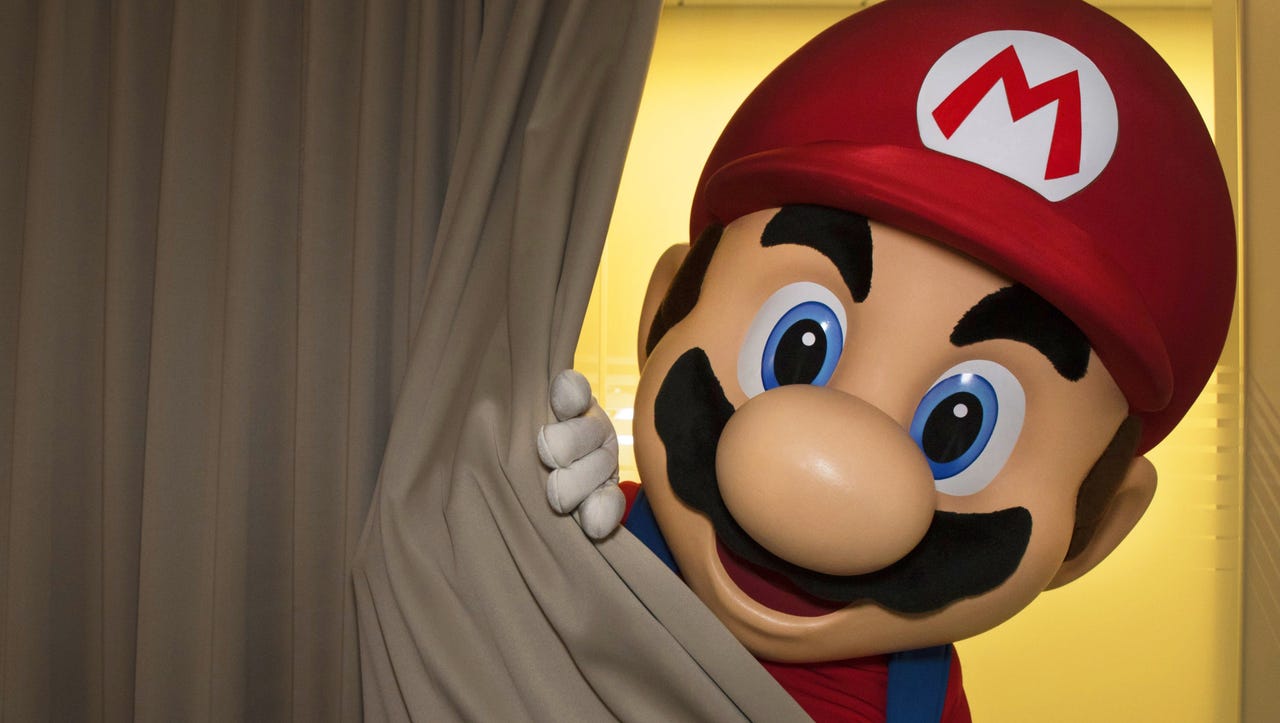
According to former employees, Nintendo really does employ a dedicated internal team, often jokingly referred to as the “Nintendo ninjas,” whose mission is to track down leaks and clamp down on those responsible.
Speaking on their Kit and Krysta podcast, ex-Nintendo of America staffers Kit Ellis and Krysta Yang shared what it was like working in an environment where secrecy wasn’t just encouraged, it was enforced with real consequences. Yang described the atmosphere bluntly: “You were given the fear of God about leaks. That wasn’t a joke, people were genuinely scared of losing their jobs. The ‘ninjas’ aren’t just a meme – there’s actually a team at Nintendo tasked with investigating leaks, and they’re incredibly efficient at what they do.”
The way Nintendo structures its projects makes the work of this team easier. Development groups are intentionally kept very small, meaning that if sensitive details surface online, it’s often straightforward to trace them back to a handful of people. Ellis explained that this level of control could sometimes feel suffocating, but it was part of the company’s culture: “When the stakes went up, the circle of people who knew about a project shrank. Sometimes you were left wondering how anything was going to get finished because so few people had access to the necessary info. But that was the price of keeping leaks at bay.”
This extreme level of secrecy often made day-to-day work harder, Yang admitted. Employees were regularly denied access to information they felt they needed to do their jobs, forcing them to work longer hours just to overcome the limitations. Still, for upper management, the trade-off was worth it. “They would rather have a team burn extra energy than risk a leak,” Yang recalled.
Not everyone inside Nintendo always shared that philosophy, however. Some employees, Yang noted, believed that strategically leaking information online was actually a form of free marketing, stoking hype before official announcements. Ellis confirmed that such cases did occur but were swiftly and decisively punished. “The people who went rogue didn’t last long,” he said, mimicking a throat-cutting gesture to underline the point.
Of course, not all leaks originate from within Nintendo itself. Hardware leaks in particular are notoriously difficult to contain, since they often involve global supply chains and external manufacturers. The run-up to the Switch 2’s reveal earlier this year was a perfect example: images of prototype parts surfaced well before the console was officially announced, with third-party accessory makers even using them in marketing campaigns – a move that later landed them in court after Nintendo’s lawyers swooped in.
Similarly, Nintendo Direct announcements are vulnerable when external partners are involved. Third-party publishers and developers with games scheduled to appear on the showcase don’t always feel the same crushing pressure as Nintendo employees. Ellis pointed out that, while Nintendo staff had overwhelming incentives to keep quiet, partners abroad were often looser. “We knew when information was being shared with certain regions or companies that the risk of leaks was going up,” he said. “There were specific dates when we’d joke, ‘Okay, now the danger zone starts.’”
The company’s reputation for secrecy has also given rise to internet folklore. Tales of “Nintendo ninjas” showing up at people’s doors might sound exaggerated, but the reality is that the firm has never hesitated to defend its intellectual property with lawsuits, takedowns, and private investigations. Leakers who once seemed unstoppable, like the pseudonymous insider Pyoro, have vanished overnight – fueling speculation that Nintendo’s shadowy team paid them a visit. Ellis half-jokingly warned, “People think it’s fun until they get that phone call or a knock at the door. Then suddenly you’re gone.”
This culture of fear and control paints a fascinating picture of how one of gaming’s most beloved companies operates behind the scenes. While fans sit on the edge of their seats, guessing whether the next Direct will bring them a new Mario, Zelda, or long-delayed Metroid Prime 4 update, those inside Nintendo live under a very different reality – one where the smallest misstep could mean career-ending consequences.
Yet, as Ellis and Yang both emphasized, the secrecy is part of what gives Nintendo’s reveals their punch. Surprises land harder precisely because they’ve been hidden so carefully. And though leaks will never be eliminated entirely, the relentless efforts of the so-called ninjas ensure that Nintendo, more often than not, gets to tell its own story on its own terms. For those watching the Direct, the excitement lies in the unknown. For those inside, the suspense comes from knowing how costly it could be if that unknown ever gets spoiled too soon.
Whether one views this culture as admirable discipline or overbearing paranoia, there’s no denying that Nintendo’s approach is unique in the industry. The ‘ninjas’ may not literally drop from ceilings, but they represent the lengths to which the company is willing to go to protect its secrets – and, in the process, to preserve the magic of surprise for its fans.
2 comments
ok but most leaks rly come from 3rd parties not staff, accessories ppl n testers leak way more
kinda wild how much effort goes into hiding if we get new Mario or new Zelda… like dice roll every Direct