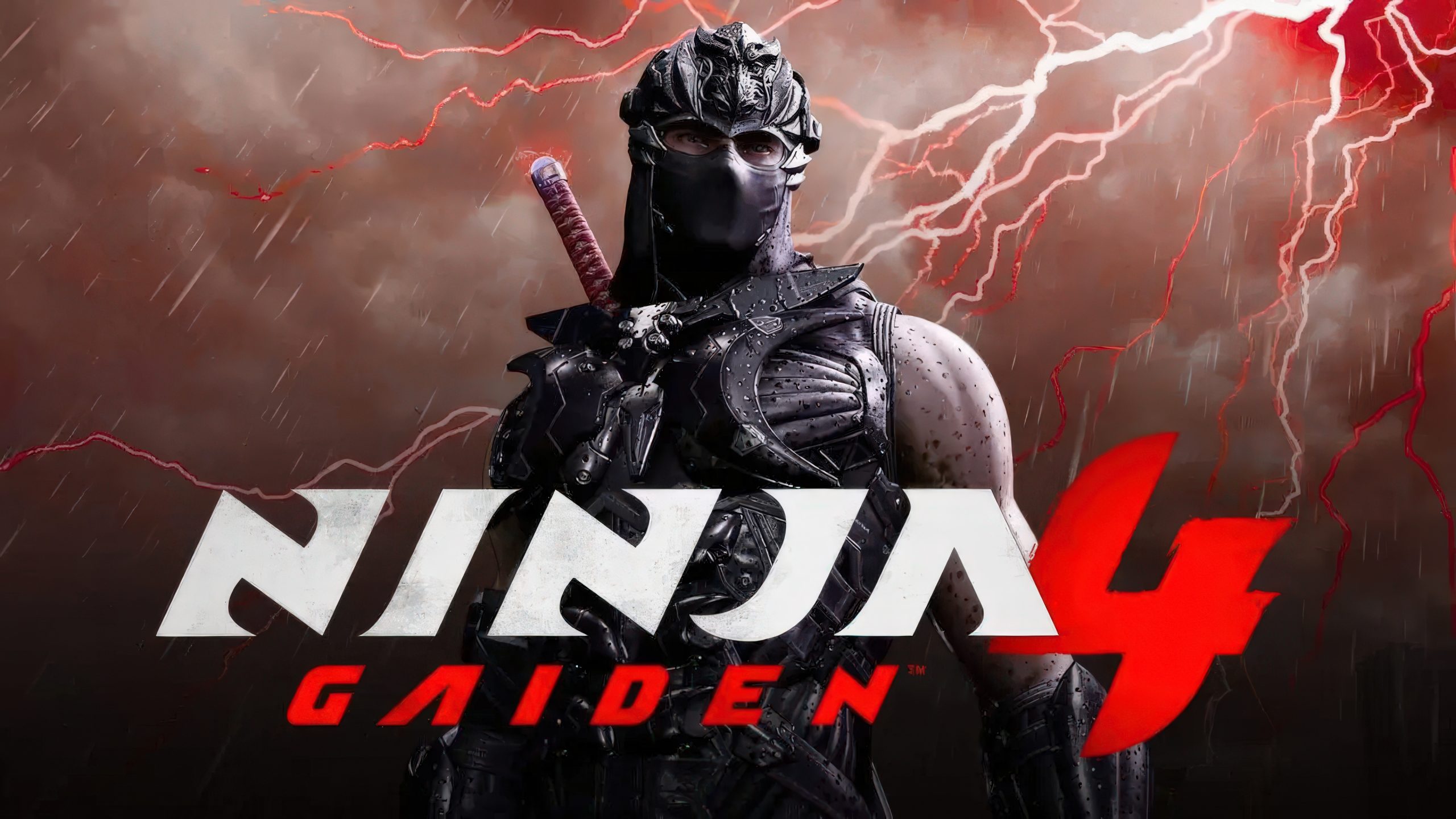
Ninja Gaiden 4 Hands-On: Blood, Blades, and Cyberpunk Rebirth at Tokyo Game Show 2025
After years of silence, the legendary Ninja Gaiden franchise returns with a ferocity few expected. Ninja Gaiden 4 – a collaboration between Team Ninja and PlatinumGames – was first unveiled during Xbox’s Developer Direct earlier this year. Now, at Tokyo Game Show 2025, I’ve finally gone hands-on with the new chapter in this iconic action saga. The result? A blood-soaked ballet of steel that redefines what it means to be a modern ninja game.
Set years after the events of the original trilogy, the game shifts the focus from the iconic Ryu Hayabusa to a new hero: Yakumo, a member of the Raven Clan and a descendant of the Dark Dragon – a long-standing enemy of the Hayabusa lineage. His story feels like a natural evolution for the series: a clash of legacy, vengeance, and identity. For a franchise built on intensity, Ninja Gaiden 4 doubles down on brutality and mechanical depth, weaving old-school precision with fresh, daring ideas.
Blood isn’t just an aesthetic choice – it’s a mechanic. Every decapitation, every fatal strike, feeds into Yakumo’s unique ability: the Bloodraven form. By channeling the blood of fallen enemies, Yakumo transforms into a faster, deadlier version of himself, using that same crimson energy to heal or unleash devastating attacks. It’s a mechanic reminiscent of SUDA51’s Hotel Barcelona, but with a faster, nastier edge. The more you kill, the stronger you become – at least until the screen turns so red it feels like you’re playing inside a living artery.
Yakumo’s combat style honors the precision of Ryu while expanding the tactical options. He can dual-wield weapons, with each set offering its own strengths. One set might be focused on raw melee power, while the secondary set enables blood-based counterattacks and finishers. During my demo, I favored a thrusting sword that resembled a war rapier – quick, piercing, and elegant. When activated in its blood form, it morphed into a giant drill, tearing through armored foes with vicious precision. Though less effective against crowds, Yakumo’s Flying Swallow maneuver – an iconic returning move – helped carve through enemies circling from all sides.
Fighting in Ninja Gaiden 4 feels more chaotic and more deliberate at once. The game’s soft target-lock system lets you pivot seamlessly between enemies mid-combo, creating fluid transitions between ground and aerial assaults. Shuriken can be thrown mid-combo to extend attack chains or stagger foes, while weapon swapping mid-battle keeps combat dynamic. One button press can change your entire rhythm – from a spear that controls space to a rocket-powered hammer perfect for smashing heavy armor. Every weapon has a blood-infused variant that changes its properties, encouraging experimentation and situational awareness.
Despite Yakumo’s deadly arsenal, survival is never guaranteed. Healing items are limited, but players can regain health through strategic use of the Bloodraven transformation, turning the flow of combat into a gamble between aggression and defense. It’s a system that rewards mastery – just like the old days – but built around the fast, explosive pacing of PlatinumGames’ design philosophy. This is not a button-mashing experience; it’s a test of skill, reflex, and creative adaptation.
What surprised me most wasn’t just the combat, but the world. Ninja Gaiden 4 ditches the traditional feudal and mystical backdrops for a cyberpunk-inspired metropolis. Imagine a city bathed in perpetual rain, neon light bouncing off wet rooftops, and shadowy alleys where steel clashes under flickering holograms. The art direction echoes the modern trilogy’s nighttime cityscapes but evolves them into something grittier and colder. The environments are industrial, metallic, and claustrophobic – yet visually stunning. The contrast between Yakumo’s flowing movements and the static oppression of the city gives combat an almost cinematic rhythm.
That said, part of me still yearns for the rustic landscapes of Hayabusa Village, the forests, and temples that defined the original trilogy. Yet, the urban setting fits the tone of this new chapter – a world that’s as much machine as man, reflecting Yakumo’s internal struggle between heritage and evolution. The cyber-ninja aesthetic might just be the franchise’s smartest visual reinvention yet.
The Tokyo Game Show demo culminated in a single boss fight that tested every system the game had introduced. On the hardest difficulty, the encounter felt punishing yet fair – forcing me to adapt, read attack patterns, and switch weapons on the fly. The boss’s relentless speed and destructive combos reminded me why Ninja Gaiden once defined “hardcore action.” When I finally won, drenched in virtual blood and adrenaline, I couldn’t help but grin. It wasn’t just nostalgia – it was a reminder that this genre still has room for true challenge.
It’s clear that Ninja Gaiden 4 isn’t content to live in the shadow of its predecessors. Team Ninja and PlatinumGames have crafted something that respects the series’ roots while embracing modern sensibilities. The combat is faster, the visuals sharper, and the world more menacing than ever. For those tired of overly guided, simplified action titles, this feels like a defiant return to form – a love letter to the art of difficult, stylish, high-stakes combat.
Ninja Gaiden 4 is set to launch on October 21, 2025, for Xbox Series X|S, PlayStation 5, and PC. It will also be available on Xbox Game Pass Ultimate from day one, giving fans a perfect reason to dive into the blood-soaked chaos. After my time at TGS, I can confidently say this: the dragon has returned, and it’s hungrier than ever.