In the long history of troubled superhero productions, the 2015 reboot of Fantastic Four sits near the top of the cautionary list. The film arrived with a young, exciting cast, a respected up-and-coming director, and a huge studio budget behind it. On paper, it looked like the moment Marvel’s first family would finally get the big screen treatment fans had been waiting for. Instead, it became a famous misfire. 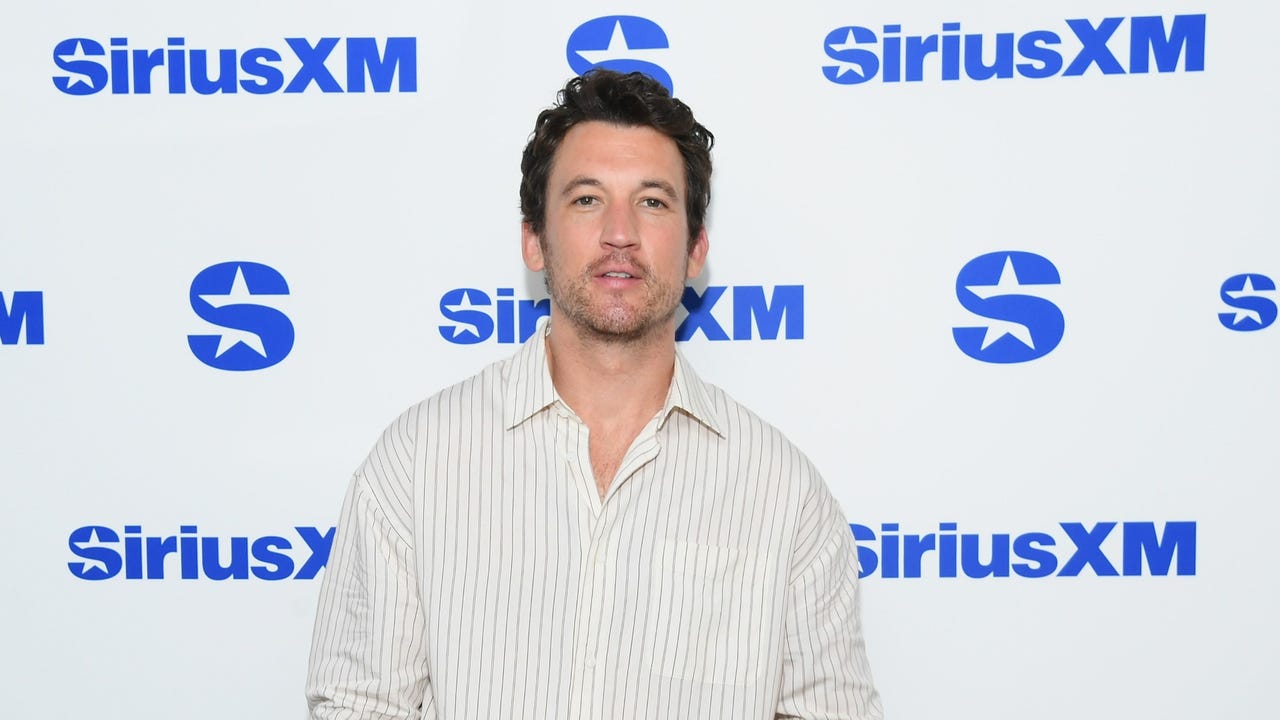
Now Miles Teller, who played Reed Richards, is revisiting that experience and insisting that the movie did not simply sink under the weight of vague studio politics, but because of one very important person who, in his words, completely messed it up.
Teller recently spoke about the film on Andy Cohen’s SiriusXM show and recalled the sinking feeling he had when he first watched the finished cut. According to him, he left that initial screening and told a studio executive that they were in trouble. This was not a mild, artistic disappointment; it was the realization that a hundred-plus million dollar tentpole was simply not working. At the same time, he went out of his way to defend his co-stars, stressing how proud he was of the cast around him and how hard the crew worked under difficult circumstances.
For Teller, the project carried serious career weight. At that point he was a young actor trying to make the leap into leading-man status, and the superhero boom was the biggest stage available. Landing Reed Richards in a major comic-book reboot felt like catching the train right as it was leaving the station. He has described the ensemble casting as spectacular: Kate Mara as Sue Storm, Michael B. Jordan as Johnny Storm, and Jamie Bell as Ben Grimm. All four were coming off acclaimed performances in dramas and genre projects, and the tone promised something more grounded and intense than earlier, lighter versions of the team.
That darker vision was part of what initially excited many viewers. Early trailers teased a moody, science-driven origin story, almost like a cerebral science-fiction thriller that just happened to involve superheroes. For a while, the film even delivers on that promise. The first half looks polished and confident, building up the experiment that will transform the characters. Then, as many fans have pointed out, it feels as if the production suddenly drives off a cliff the moment the team gains their powers. The pacing lurches forward, whole character arcs vanish, and visual effects begin to resemble unfinished placeholder shots rather than a hundred-million-dollar blockbuster.
Behind the scenes, there were already stories of clashing visions. Reports over the years have painted a picture of director Josh Trank and writer Jeremy Slater pulling in different directions from the outset, with the script evolving away from a more classic adventure tone into a grim, body-horror-flavored experiment. Trank has since admitted that he was still too green to be steering a franchise of that size, and that trying to radically reinvent such a beloved property was, in hindsight, an act of youthful arrogance. On the other side, studio executives at 20th Century Fox were clearly nervous about handing over such a valuable Marvel license to an approach that felt risky and off-brand.
That is where the infamous reshoots came in. After an early cut reportedly left the studio unsatisfied, major portions of the film were reworked. Haircuts change mid-scene, tone shifts abruptly from tense horror to generic quipping, and entire subplots seem to have been sliced away. What began as a bleak, intimate take on accidental superhumans became a stitched-together hybrid that never truly commits to any identity. Some viewers still defend the raw, unsettling early sections and even specific moments later on, like the horror-inflected rampage of Doctor Doom, as flashes of the bolder film that might have been.
Fans and commentators have long debated who exactly bears the most responsibility. Many are convinced the unnamed person Teller hints at is Trank himself, whose public meltdowns and social-media outbursts during release did nothing to calm the storm. Others argue that the real villain here was the studio culture that treated the property primarily as a legal checkbox to retain the rights, rather than as a story worth nurturing. From this angle, a revolving door of executives, notes, and last-minute mandates created the very definition of too many cooks in the kitchen.
Creative decisions within the film only intensified the backlash. Doctor Doom was reimagined in a way that enraged long-time readers, turning one of Marvel’s most iconic villains into an awkward, renamed figure with little of the regal menace that defines him on the page. The tonal pitch toward grim realism sat uneasily with characters who have traditionally thrived on wonder, family dynamics, and cosmic adventure. Even the casting, praised by many, became a flashpoint for some viewers who felt that the interpretation of Johnny Storm did not capture his classic, larger-than-life charm, regardless of Michael B. Jordan’s talent.
All of this unfolded under the shadow of a steep budget. With an estimated production cost around 120 million dollars and a global box office that barely crawled past its price tag, the film was destined to be labeled a flop. Any hope of building out a planned sequel, which at one point was rumored to intersect with other Marvel characters like Daredevil and Deadpool, quietly evaporated. Instead of launching a new cinematic era for Marvel’s first family, the film effectively froze them out of theaters for nearly a decade.
In the years since, the conversation around the 2015 Fantastic Four has become a kind of industry case study. Some hold it up as a prime example of what happens when a visionary director is not yet ready for the scale of a franchise blockbuster. Others treat it as proof that heavy-handed studio interference can crush promising ideas into something lifeless. The truth, as usual, probably lies in the messy middle: a fundamentally conflicted concept, executed by a director still learning his limits, micromanaged by executives who were scared of risk yet desperate for a hit.
What is clear is that the failure of that film forced everyone to rethink how to handle the Fantastic Four on screen. The recent MCU reboot, greeted with far warmer reactions, leans back into the sense of optimism, eccentric family chemistry, and cosmic weirdness that made the team beloved in the first place, while still learning from the darker experiments of the past. Teller’s comment about one person ruining it may never be fully unpacked in public, but the 2015 film remains a reminder that even superhero titans can fall when vision, ego, and corporate anxiety collide in exactly the wrong way.
4 comments
rewatched this a few days ago and omg that second half looks like unfinished homework. first 40 mins are kinda cool, then as soon as they get powers the movie just faceplants off a cliff
yeah you can blame trank, blame fox, whatever… but honestly the whole thing felt cursed from the idea phase. grimdark fantastic four was never gonna land for most people
ngl the headline made it sound like he was gonna absolutely roast somebody by name and then it’s just kinda vague tea about clashing visions lol. still feels like we’re not getting the full story 😅
they completely butchered doom and the whole vibe of the team. if they wanted edgy body horror they should’ve done an original movie with that cast instead of slapping the fantastic four logo on it