The Metal Gear Solid series has never been just a set of stealth action games. For many players it feels like a living timeline of video game history, stretching from chunky pixel art on old hardware to lavish cinematic epics that defined whole console generations. 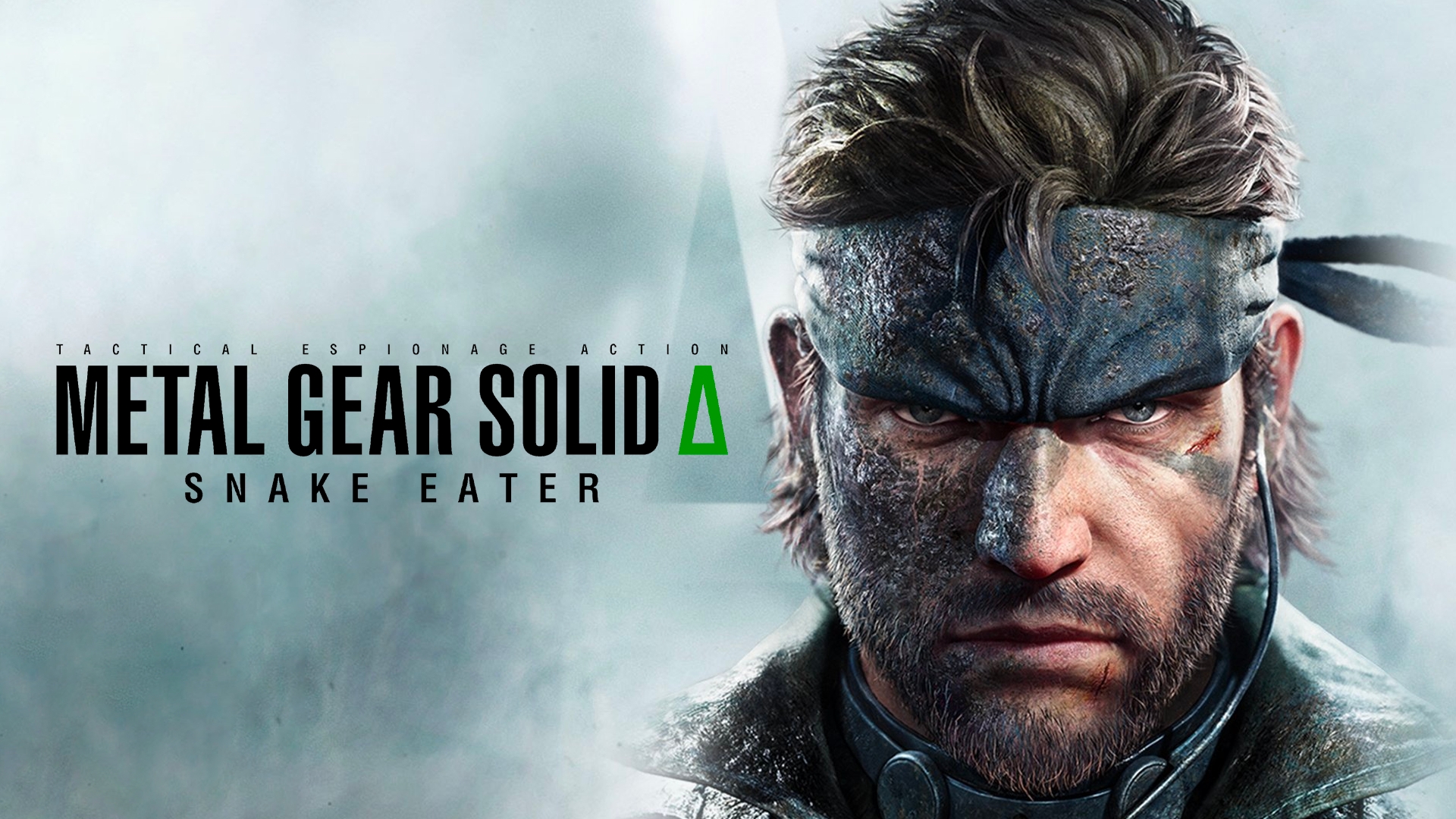
After the recent return of Snake through Metal Gear Solid Delta Snake Eater, that legacy has arrived at a new crossroads, and producer Noriaki Okamura is now openly talking about how the next chapter might unfold, even as he admits that nothing about the future is set in stone.
Speaking with Japanese outlet Real Sound, Okamura described a future that could split down two parallel paths. On one side are new works fresh entries that move the story world forward instead of endlessly circling the same events. On the other side are remakes and remasters of older titles, reimagined with modern hardware and design expectations in mind. The key detail is that Konami is not treating either path as automatic. Every project is being weighed carefully rather than pushed through a fixed production pipeline.
Okamura underlines that this cautious approach is not reluctance but respect. The Metal Gear timeline runs from early overhead stealth adventures to dense, voice acted thrillers full of lengthy cutscenes, political intrigue, and experimental storytelling. Each main entry was built with different tools, for different machines, and for different eras of the industry. That is why he believes any remake project has to start from a basic but demanding question what made this specific game work in its original context and how do you preserve that while updating the rest.
Metal Gear Solid Delta Snake Eater offers the most visible example of that philosophy. Rather than simply raising resolution sliders, the team has rebuilt the jungle of Tselinoyarsk with modern lighting and animation, adapted the camera and controls to match what players expect from contemporary third person action titles, and wrapped it all in a presentation that can stand next to recent big budget releases. Yet at its core Delta still aims to deliver the slow burn tension, survival mechanics, and origin story of Naked Snake that made the original so beloved, proving that a remake can be both reverent and bold.
For that reason Okamura warns against assuming a one size fits all strategy. The Delta approach grew out of the specific strengths of Snake Eater, a game that already mixed classic design sensibilities with more modern staging. Trying to apply that same method wholesale to the earliest 8 bit Metal Gear titles would risk stripping away what makes those games unique. Turning the rough, experimental top down stealth of the era into a fully cinematic 3D experience would call for a different structure, a different rhythm, and possibly a different creative team.
He also points out that the rush to remake everything is less urgent than it used to be. More than ever before, the mainline entries in the series are accessible on current platforms through backward compatibility, past HD collections, and the recent Master Collection Vol 1. For players who want to revisit the first Metal Gear Solid or follow Raiden through the events of the second game, those journeys are now only a download or disc away. From a pure availability standpoint, the series is in a healthier position than many other long running franchises.
One glaring exception keeps coming up in every conversation Metal Gear Solid 4 Guns of the Patriots. The climactic chapter of Solid Snake saga still lives exclusively on PlayStation 3, trapped on aging hardware that fewer and fewer players have hooked up in their living rooms. Okamura acknowledges that this is not simply a matter of flipping a switch. Developing for the PS3 forced the team to write highly specialized, tightly coupled code designed around the quirks of the system architecture, and that deeply custom technology has become a major obstacle to any straightforward modernization effort.
This technical tangle has serious consequences for game preservation. Guns of the Patriots is not a throwaway spin off; it is the emotional bookend to Snake story, a sprawling finale that stitches together plotlines from earlier entries and offers one of the most memorable farewells in the medium. Right now, the only legitimate way to see that ending is to find a functioning PS3 and a copy of the game. For a franchise as influential as Metal Gear, that kind of platform lockout feels increasingly out of step with how audiences expect classic works to be maintained.
These realities fuel constant speculation around a possible Master Collection Vol 2. The first volume brought several earlier games together in a unified package, and many fans saw it as Konami testing the waters to measure how much appetite remains for stealth classics in the current generation. If the results are promising, the most natural centerpiece for a second collection would be a modern release of Metal Gear Solid 4, whether as a remaster that carefully preserves its structure or as a more extensive technical overhaul that rewires its internals while keeping the script and pacing intact.
Okamura hints that either route would demand more than simple visual touch ups. Engineers would have to dig through bespoke systems written for the PS3, recreate or replace features that depended on that hardware, and still keep the original rhythm of stealth infiltration, boss battles, split screen storytelling, and famously long but lovingly crafted cutscenes. In practice, that means a project that is part engineering archaeology and part creative interpretation, a far more complex challenge than merely porting code to a new console.
At the same time, the producer is clearly wary of turning Metal Gear into a static museum piece. Honoring the boundary pushing work of creator Hideo Kojima is essential, but Okamura also frames the series as a vehicle for commentary on war, surveillance, propaganda, and digital culture issues that have only grown more relevant. Any truly new entry, whether it continues the existing storyline or explores a fresh cast and time period, would need to engage with the present and say something meaningful rather than simply repeat familiar stealth scenarios.
For long time followers, this tension between preservation and progress might be the most promising sign in Okamura remarks. On one side, there is real hope that long requested projects such as a modern edition of Guns of the Patriots or better access to handheld side stories might finally materialize. On the other, his refusal to lean entirely on comfortable nostalgia suggests that Konami is at least considering riskier moves that could reshape how the brand looks and feels for a new generation.
Nothing concrete has been announced yet, but the direction of travel is becoming clearer. The future of Metal Gear Solid will not be determined by a single master plan. Instead, it will likely emerge project by project, as Okamura and his team weigh technical constraints, fan expectations, and creative ambitions. Whether that future is marked by daring new operations, beautifully considered remakes, or a blend of both, one thing seems certain the series is not being treated as a relic to be locked away, but as a living body of work still capable of surprising the players who grew up with it and the newcomers drawn in by Delta.