Lady Gaga has always thrived in the space where the theatrical collides with the unsettling, and her latest project with Tim Burton for Netflix’s Wednesday Season 2 proves just how far she’s willing to push that boundary. But what should have been a celebration of gothic spectacle and artistry has instead spiraled into one of the most heated online debates of the year: accusations that Gaga’s new music video, The Dead Dance, secretly uses AI.
The swirl of controversy began before the video even landed. 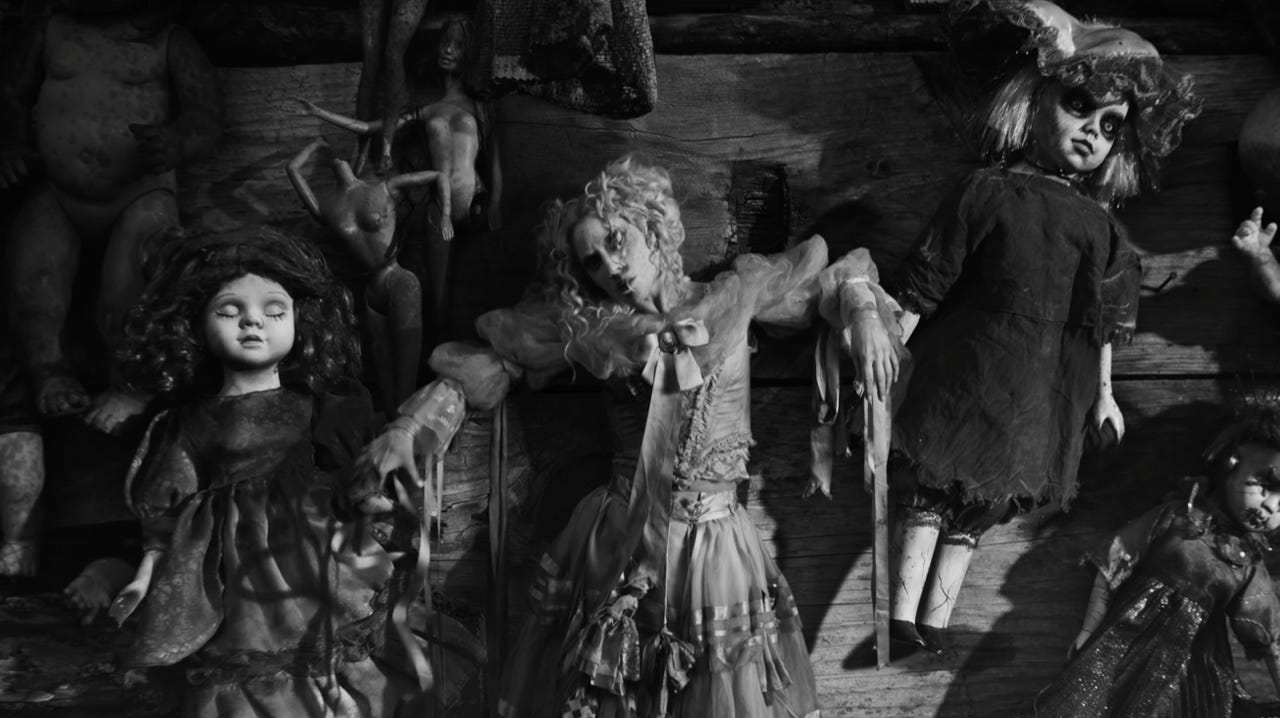
Fans were buzzing the moment Netflix teased Gaga’s debut as Rosaline Rotwood in Wednesday. The official accounts showed her in a white dress, draped in ghostly lace and accompanied by a mysterious hand on her shoulder – a Burton-esque image that immediately set the internet ablaze. By the time September 3 rolled around, viewers weren’t just ready for Gaga’s cameo; they were waiting to see how Burton’s directorial vision would mesh with her haunting single.
When the music video dropped, expectations were high – and in many ways, it delivered. Shot on location at Mexico’s eerie Island of the Dolls, the black-and-white visuals leaned into Burton’s signature gothic language: heavy shadows, surreal compositions, and macabre detailing that gave every frame a nightmarish quality. Gaga swirled across the set in a baroque gown, her dance somewhere between ecstatic and unhinged, while Burton layered in imagery of lifeless dolls staring blankly into the void. Then, as the chorus hit, those dolls began to move.
That single creative decision was enough to ignite chaos on social media. A viral post on X (formerly Twitter) declared the video nothing more than “AI slop,” claiming the morphing movements of the dolls’ hands exposed Burton and Gaga’s use of artificial intelligence. Within hours, the accusation spread, amassing millions of views and fueling a narrative that the collaboration between two artistic giants had been undermined by cheap machine shortcuts.
For critics, the supposed evidence was clear: jerky doll animations, unnatural transitions, and the uncanny feeling many viewers associate with AI-generated content. The idea that Burton, a filmmaker known for stop-motion mastery and practical effects, would resort to generative AI struck some as absurd, but others argued that the entertainment industry is already quietly folding AI into production pipelines. To them, this was simply another sign that the inevitable had arrived.
But defenders of the project quickly fired back. Attached to the viral tweet was a community note directing skeptics to the official production credits, which listed a full VFX team under The Roots Production Service. Line producer Carlos Llergo even appeared in the YouTube comments to clarify: “Noooo. Of course the ones moving were animated in a VFX studio.” He explained that the dolls were brought to life through traditional post-production animation, not algorithms. Considering his direct involvement with budget management and on-set execution, his word carries significant weight.
What bolsters this claim even more is the choice of filming location. The Island of the Dolls, south of Mexico City, is a notorious real-world horror setting – hundreds of decaying dolls dangle from trees, creating an atmosphere so grotesque it hardly needs artificial enhancement. Using such an environment would make little sense if the intent was to fake doll imagery with AI. Instead, Burton’s decision seems to have been to amplify the natural dread of the location with subtle, studio-crafted animations.
Adding fuel to the authenticity argument are Burton’s own comments about AI. In a 2023 interview with The Independent, he bluntly dismissed the technology, describing it as something that “sucks something from you” and likening it to a robot stealing human soul. For an artist so publicly wary of AI, directing a project reliant on it would appear contradictory. And yet, the persistence of online suspicion reveals a deeper cultural anxiety: people no longer know what to trust on screen.
This tension is part of a larger cultural shift. In the same way audiences once debated whether CGI signaled the death of practical effects, the rise of AI has split fans into two camps. On one side are those who see AI as a natural evolution of digital tools, destined to save money and speed up production. On the other are purists who view it as an existential threat to human artistry. The Gaga-Burton collaboration has become the perfect storm in this debate – a high-profile, heavily stylized work that leaves just enough room for suspicion.
Some viewers, even after reading the production receipts, remain unconvinced. To them, denials from producers or reminders of Burton’s anti-AI stance don’t prove anything; if anything, they suspect those statements are convenient PR shields. One particularly viral comment put it bluntly: “That Community Note never should have been voted through. It’s clearly AI. Just because he said he didn’t like it in 2023 isn’t proof they didn’t use it now.”
Meanwhile, others argue the obsession with outing AI misses the point. For them, art should be judged by impact, not method. “Who cares?” one user wrote. “AI is here, just like every other tech advancement. If it obsoletes your skill set, welcome to the club.” To these voices, the fixation on whether or not AI was used reflects more about cultural fear of change than about the art itself.
Ultimately, whether you believe the dolls were digital trickery or crafted through painstaking visual effects, The Dead Dance succeeds in one crucial respect: it got people talking. Gaga and Burton conjured a gothic fever dream that blurred the line between life and death, humanity and artifice – and in doing so, they tapped into the very anxieties shaping our cultural moment. Perhaps that’s the most Burton-esque twist of all: a work of horror that scares not with monsters, but with the creeping suspicion that what we see might not be real.
For now, the evidence leans heavily toward human craft, not AI. But the frenzy surrounding the video proves one thing: audiences are entering a new era where disbelief comes easy, and suspicion clings to every uncanny detail. In the words of one skeptical fan, “maybe in 5 years people will stop getting their panties in a bunch over AI.” Or maybe by then, the lines will be so blurred that we won’t even bother asking.
2 comments
I’m starting to think I might be AI slop lol
The dolls look sus af, could be AI but I’ll believe the VFX guy till proven otherwise