What if your iPhone was no longer just a piece of tech, but a collectible icon in the same league as Labubu? In an era where pop culture, fashion, and consumer electronics constantly collide, Apple may have quietly launched its next cult object: the iPhone Pocket. 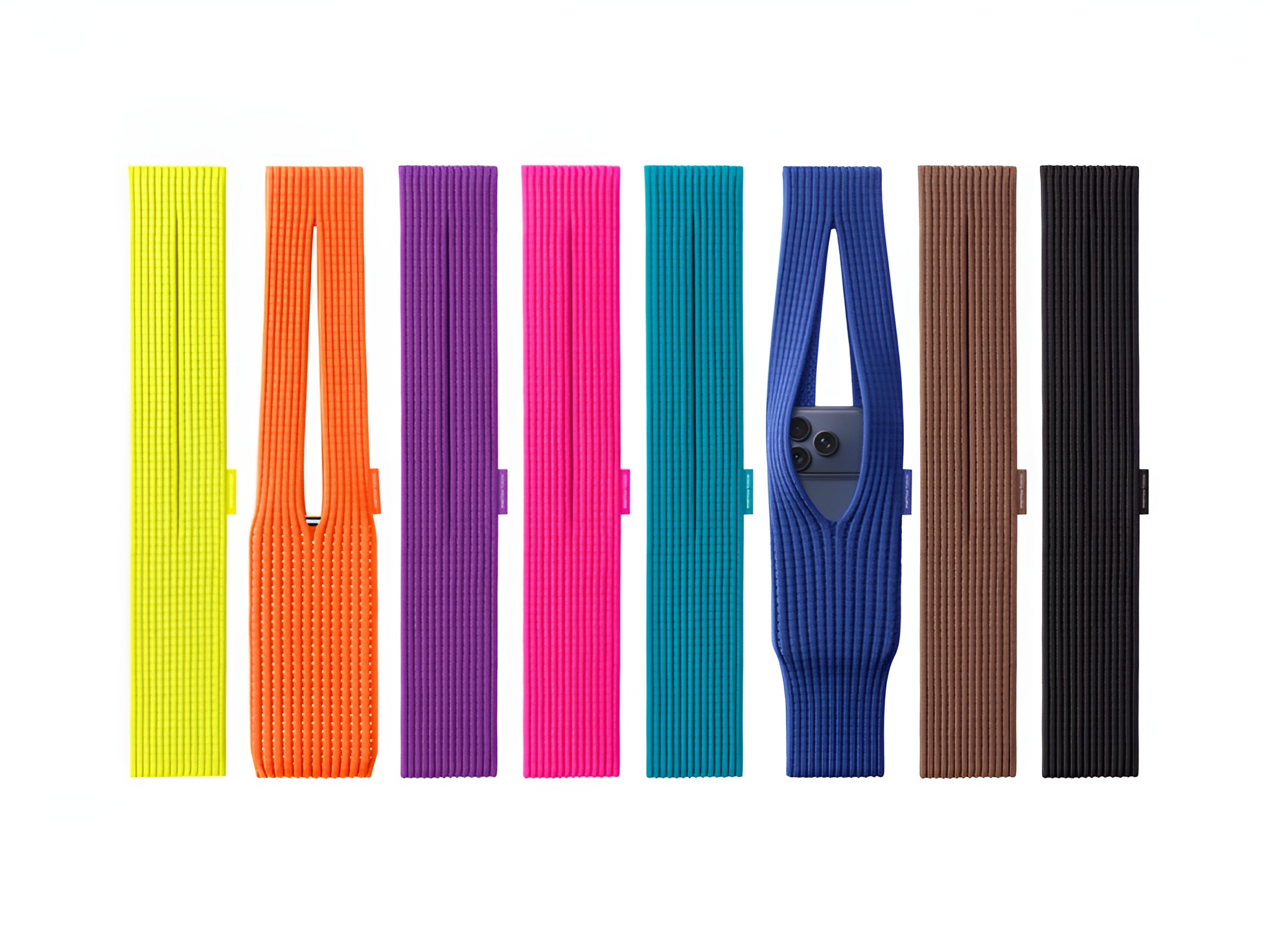
On the surface it is just a small fabric holder for a smartphone. Look closer, though, and you start to see the same emotional triggers, status signalling, and hype mechanics that turned a quirky monster plush into a global obsession.
To understand why the iPhone Pocket has the potential to become the next big craze, you have to start with Labubu. Originally created by artist Kasing Lung as part of his The Monsters series and brought to life by collectible giant Pop Mart, Labubu is a female-gendered, goblin-like stuffed character with sharp little teeth and a mischievous grin. It did not explode because of functionality or practicality; it took off because BLACKPINK’s Lisa casually shared her affection for it. One idol’s endorsement turned an art toy into a cultural phenomenon, sending demand and prices soaring almost overnight.
Today, Pop Mart’s The Monsters line generates hundreds of millions of dollars in revenue, with Labubu at the center of the frenzy. Fans queue for blind boxes, trade duplicates like precious currency, and treat each figurine or plush as a tiny piece of identity. These collectibles bypass logic. Nobody sits down with a spreadsheet to justify buying another monster. Instead, the decision happens in the emotional part of the brain: the need to belong, to express a certain aesthetic, to feel a little closer to a favorite celebrity, or simply to own something that feels special and scarce.
This is exactly the psychological landscape into which Apple’s iPhone Pocket arrives. Marketed in collaboration with ISSEY MIYAKE, the accessory is essentially a minimalist fabric satchel for your iPhone, designed to hang from your neck or shoulder like a tiny fashion bag. It costs around 230 dollars, comes in carefully curated colors, and offers just enough structure to cradle your phone. It does not promise radical new functionality. Your iPhone is not suddenly more powerful, secure, or productive. The iPhone Pocket exists first and foremost as a wearable statement that says: I am part of this particular style tribe.
Inevitably, reactions have been polarised. Critics snark that Apple has managed to sell a glorified sock at a luxury price point, joking that the company has finally monetised the smartphone equivalent of putting a TV remote in a knitted sleeve. Others, however, are already rushing to Apple Stores and fashion boutiques to buy it. For them, the appeal is not about utility. It is about how the Pocket looks with a carefully styled outfit, how it appears in a mirror selfie, and what it signals in a world where your phone is always in your hand or somewhere in the frame.
This is where the Labubu comparison becomes more than a cute analogy. Labubu is not technically impressive; it is emotionally loaded. The iPhone Pocket is similar. Both objects function as compact status totems. Labubu sits on a desk, shelf, or bed, quietly broadcasting that its owner is tuned into a specific corner of pop culture. The iPhone Pocket does the same thing in motion, turning every coffee run, subway ride, or festival queue into a miniature runway. The fabric, the cut, the way the phone peeks out of the top – all of it works together as part of a visual identity rather than a tech solution.
From a marketing and behavioral perspective, purchases like these are driven less by rational calculus and more by emotional undertones. People buy to feel trendy, to soothe anxiety with a little treat, to belong to a community they see on social media, or to imitate the style of someone they admire. Labubu proved how explosive this can be when paired with the right celebrity at the right moment. Lisa’s affection created a parasocial bridge: fans could not become Lisa, but they could own the same little monster. If a similar A list figure were photographed stepping out with an iPhone slung in a Pocket, the accessory could leap from niche curiosity to must have fashion item almost instantly.
Apple understands this territory better than almost any other tech brand. AirPods normalized white plastic buds as a visible flex. Branded silicone cases turned basic protection into color coordinated lifestyle choices. The iPhone Pocket is simply the next logical step, pushing the phone itself into the role of wearable accessory. Whether it reaches Labubu levels of mania will depend on timing, scarcity, and that inevitable celebrity co sign. But the mechanics are already in place: an object that does not need to justify itself with utility, a price that signals exclusivity, and a design language tuned to the tastes of young, image conscious consumers.
So yes, your iPhone really might be on the verge of becoming the new Labubu, not because of a new chip or breakthrough feature, but because of a simple fabric pocket that taps directly into emotion, identity, and pop culture. All it needs now is that one perfectly timed photo of a global superstar wearing it in the wild. At that point, do not be surprised if the iPhone Pocket moves from being the punchline of memes to the centerpiece of the next big collectible craze. In pop culture, stranger things have definitely happened.