Is Apple falling behind in the AI race, or is it quietly preparing for a smarter comeback? That’s the question swirling around Silicon Valley after the launch of the iPhone 17 series. Apple’s latest lineup arrived with all the polish and precision we’ve come to expect – sleek design, lightning-fast chips, and that familiar sense of refinement. 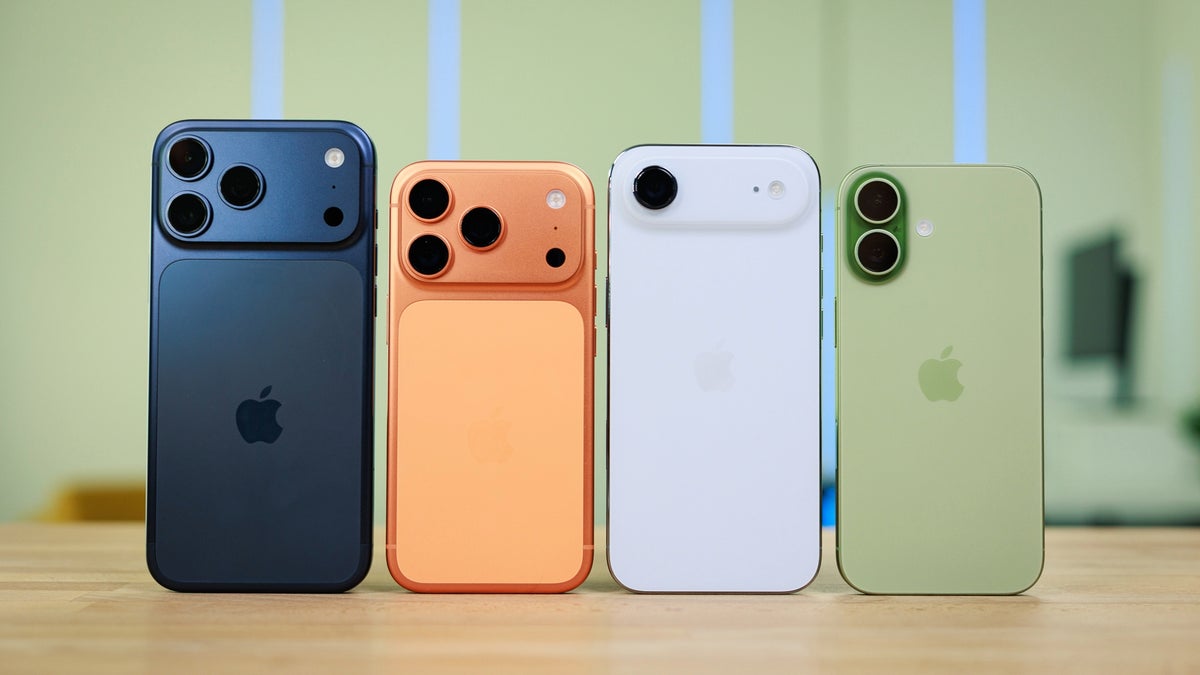
But while new owners are still unboxing their shiny devices, the conversation has already shifted toward something far less tangible: artificial intelligence. And the question many are asking is simple – has Apple missed the AI train, or is it deliberately taking a detour?
Over the past year, AI has exploded into every corner of tech. From Google’s Gemini to OpenAI’s ChatGPT, artificial intelligence has become the central narrative shaping how we work, learn, and even relax. And while Google, Samsung, and Microsoft have been shouting from the rooftops about their AI achievements, Apple has been… unusually quiet. Sure, Tim Cook mentioned ‘Apple Intelligence’ and teased a revamped Siri, but neither has made the kind of impact we’ve come to expect from Cupertino’s legendary product unveilings. To some, it feels like Apple’s cautious approach is starting to look less like discipline and more like delay.
Let’s not sugarcoat it – Apple is behind. The Pixel 9, for instance, has Gemini deeply integrated into its system. You can summarize entire web pages, generate images on the fly, and even rewrite emails with tone and style adjustments. Samsung’s Galaxy AI features do similar tricks, integrating with Notes, Messages, and the Camera app. Even smaller players like Nothing have partnered with OpenAI to bring ChatGPT directly into their phones. Apple, on the other hand, is still leaning heavily on cloud processing and keeping AI features labeled as “beta” or “coming soon.”
Yet, here’s where it gets interesting: Apple’s lag might be intentional. The company has a long history of stepping into a market late, then redefining it. Remember the first iPhone? It wasn’t the first smartphone – but it was the first that truly changed how we think about phones. The same goes for the iPad and Apple Watch. Apple often prefers to perfect the formula rather than jump into the chaos early. That’s why some analysts believe Apple’s AI strategy might not be about racing others – it’s about waiting for the dust to settle and then swooping in with something polished, private, and deeply integrated into its ecosystem.
But that patience carries a risk. According to market research, over a billion people will be using AI tools by 2031. Generation Z is already comfortable with letting AI handle tasks, with over half saying they trust it to make better decisions for them. When your future customer base grows up expecting smart features that anticipate their needs, even Apple’s brand loyalty might not be enough to keep them interested if the iPhone feels outdated compared to a Pixel or Galaxy device that “thinks” alongside them.
It’s also worth mentioning that Apple faces a unique challenge: data. Unlike Google or Meta, Apple doesn’t harvest massive datasets from user behavior. Its privacy-first approach limits the kind of training data it can use to improve its models. That’s a noble stance for users but a handicap in the data-hungry world of AI development. Apple’s engineers must innovate within tighter boundaries, crafting intelligence that respects privacy without feeling dumbed down. It’s a difficult balance – and one that might explain the company’s slower progress.
Meanwhile, the competition isn’t exactly flawless. Google’s Gemini, for example, has had its share of awkward moments – apologizing too often, producing inconsistent answers, or making odd creative choices that border on absurd. Microsoft’s Copilot sometimes lags or fails entirely in daily workflows. Even OpenAI’s ChatGPT, as powerful as it is, occasionally hallucinates facts or misunderstands prompts. In short, everyone’s tripping somewhere. Apple’s cautious pace may actually be an attempt to avoid those embarrassing pitfalls and launch AI that ‘just works,’ as its marketing mantra goes.
Still, perception matters. Right now, the tech community sees Apple as reactive rather than pioneering. When Google shows off an AI assistant that can handle calls, schedule appointments, and edit photos effortlessly, it creates the illusion of innovation – even if the reality is more limited. Apple, by comparison, comes across as overly secretive and slow-moving. For a company that built its empire on emotional connection and user experience, that image problem could sting.
And then there’s Siri. Poor, neglected Siri. Once a groundbreaking assistant, it’s now the butt of jokes in the AI era. Despite over a decade of existence, Siri still struggles with context, multi-step tasks, and flexibility. Tim Cook’s promise of a “smarter Siri” powered by on-device Apple Intelligence sounded exciting – but as of today, it’s still vaporware. The irony is that while Apple perfected hardware integration like no one else, it’s losing ground in the one area where intuition and creativity matter most: intelligence itself.
But maybe Apple isn’t trying to win the AI race at all. Maybe it’s playing a different game – one that doesn’t rely on being first, but on being right. Apple’s long-term vision might be less about flashy AI demos and more about seamless functionality. Instead of throwing half-baked chatbots into its products, it could be waiting to weave AI into the entire iOS ecosystem, from photos and health tracking to messaging and productivity. That’s a slower process – but if done correctly, it could redefine what “smartphone intelligence” truly means.
In the end, the AI race isn’t just about who builds the biggest model – it’s about who builds the most useful one. Apple might be behind in public perception, but its focus on privacy, user trust, and cross-device harmony could turn out to be its greatest strength. Still, time is ticking. If the iPhone 18 arrives without groundbreaking AI improvements, even die-hard fans may start to look elsewhere.
Until then, Apple remains a paradox in the AI era: the company that builds the world’s smartest devices but still hasn’t taught them how to think.
2 comments
Bro, Siri still can’t set a timer properly 😂 imagine it competing with ChatGPT
Google’s AI sometimes acts weird tho, like talking to itself or apologizing too much 😅