Apple has quietly drawn a line under a few fan-favorite devices. The first-generation iPhone SE, the 12.9-inch iPad Pro (2nd generation), several premium Apple Watch Series 4 editions, and the Beats Pill 2.0 speaker have now been moved to Apple’s official list of obsolete products. 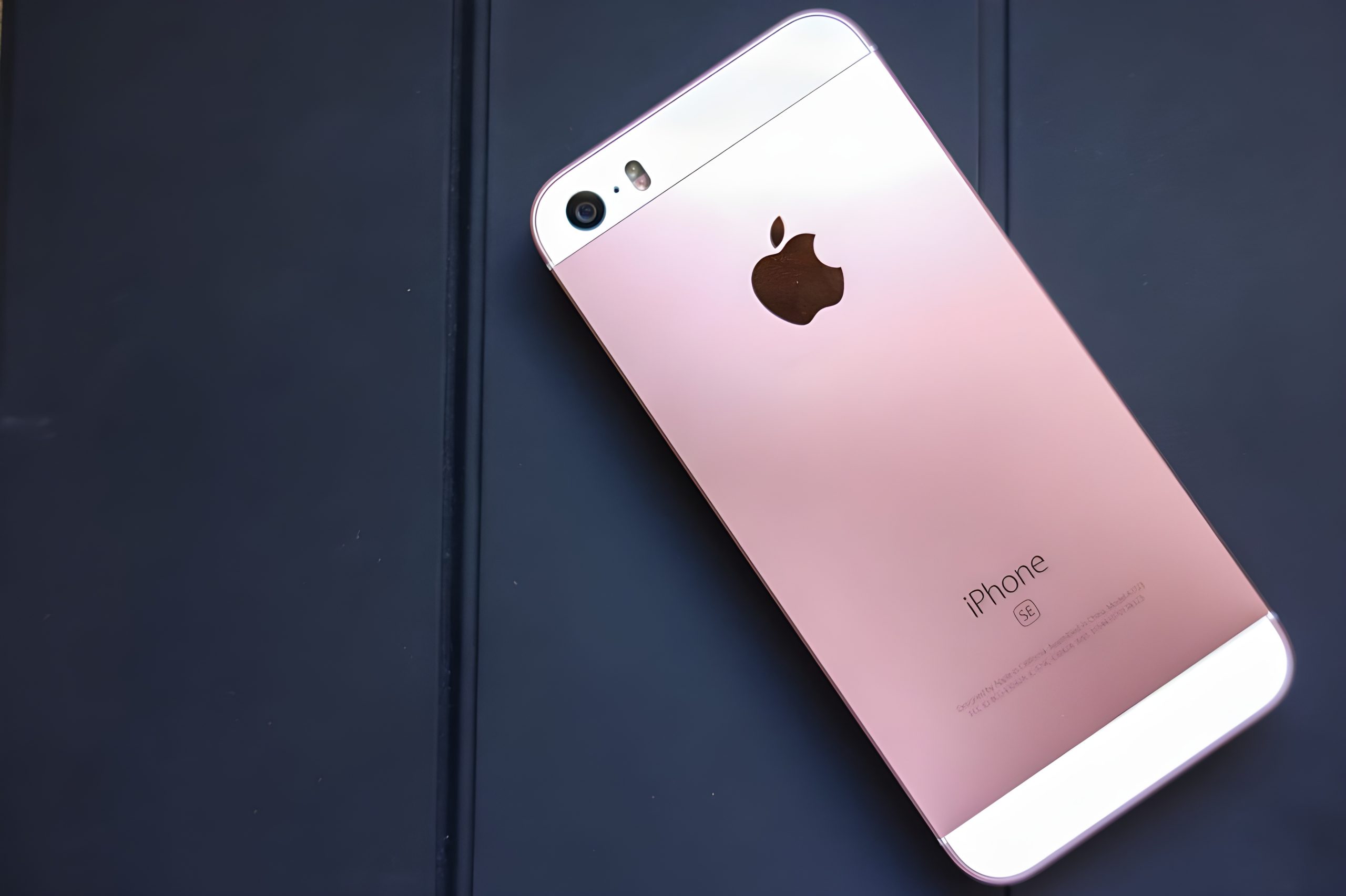
For many users, these gadgets still feel perfectly usable, so the word “obsolete” can sound dramatic. In Apple’s world, however, it has a very specific and important meaning for repairs and support.
Apple classifies a device as obsolete seven years after it stops distributing that particular model. The clock does not start from the day a product first hits store shelves, but from the moment Apple ends its sales and distribution, which often happens quietly in the background when a successor arrives. Once those seven years are up, the product is added to the obsolete list and is no longer eligible for hardware service at Apple Stores or Apple-authorized service providers.
Before products become obsolete, they pass through another category: vintage. A device is typically considered vintage five years after Apple stops distributing it. During the vintage period, some repair options may still be available, depending on parts inventory and regional rules. Once the product crosses the seven-year threshold, though, Apple draws a firm line – no more official repairs, no more battery swaps, and no more part replacements through its authorized network.
The latest additions to Apple’s obsolete lineup are:
- iPhone SE (1st generation)
- iPad Pro 12.9-inch (2nd generation) Wi-Fi
- iPad Pro 12.9-inch (2nd generation) Wi-Fi + Cellular
- Apple Watch Series 4 Hermès (40mm)
- Apple Watch Series 4 Hermès (44mm)
- Apple Watch Series 4 Nike (40mm)
- Apple Watch Series 4 Nike (44mm)
- Beats Pill 2.0
One subtle detail here is that only certain versions of the Apple Watch Series 4 are affected. The Hermès and Nike-branded editions are now obsolete, while the standard Apple Watch Series 4 models are not on the list yet. That’s because Apple stopped distributing these special variants earlier than the regular lineup. The obsolete clock is tied to when each specific model was discontinued, not to the broader product family name.
For owners, the practical impact is straightforward but significant: if one of these devices breaks, Apple will no longer offer official repair or service options. You can still use the device as normal, and many third-party repair shops will continue to work on them, but the safety net of Apple’s authorized ecosystem is gone. For users in regions where independent repair is limited or expensive, this shift can be a strong nudge toward finally upgrading.
The first-generation iPhone SE is perhaps the most emotionally charged item on this list. Launched in March 2016, it repackaged the compact, beloved design of the iPhone 5s with updated internals for its time. It became the go-to phone for people who hated big screens, preferred one-handed use, and wanted an affordable entry point into the iOS world. Apple discontinued it in September 2018, and the seven-year countdown from the end of distribution has now pushed it over the edge into full obsolescence.
The 12.9-inch iPad Pro (2nd generation) also marks the end of an era. Positioned for creatives, professionals, and power users, this model helped cement the iPad Pro as more than just a media tablet. It supported the Apple Pencil, powerful multitasking, and laptop-like workflows long before the iPad fully embraced that marketing story. With its move to the obsolete list, early iPad Pro adopters are reminded just how fast the professional tablet category has evolved.
The Beats Pill 2.0, meanwhile, reflects another piece of Apple’s ecosystem history. As a portable Bluetooth speaker, it became a staple on desks, in bedrooms, and at small gatherings. While speaker technology has advanced and Apple’s audio strategy now leans heavily on HomePod and AirPods, plenty of people still have a Beats Pill 2.0 sitting around that “just works.” Now, if its battery fades or its internals fail, official repair is off the table.
If you own any of these devices, nothing will suddenly stop working just because Apple has labeled them obsolete. What changes is your long-term safety net. It’s a good moment to back up important data, keep an eye on battery health, and think about whether you’re comfortable relying on third-party repairs if something goes wrong. For mission-critical devices, such as a main work tablet or primary connected wearable, this may be the sign that it’s time to consider a newer model.
At the same time, this update is a reminder of how fast technology moves and how intentionally Apple manages the lifecycle of its products. From the outside it can feel harsh, but for a company overseeing a massive hardware and support network, clear cutoffs are part of keeping operations sustainable. For users, understanding the difference between vintage and obsolete – and knowing exactly when a device loses official support – can help you plan upgrades on your own terms instead of waiting until something breaks at the worst possible moment.