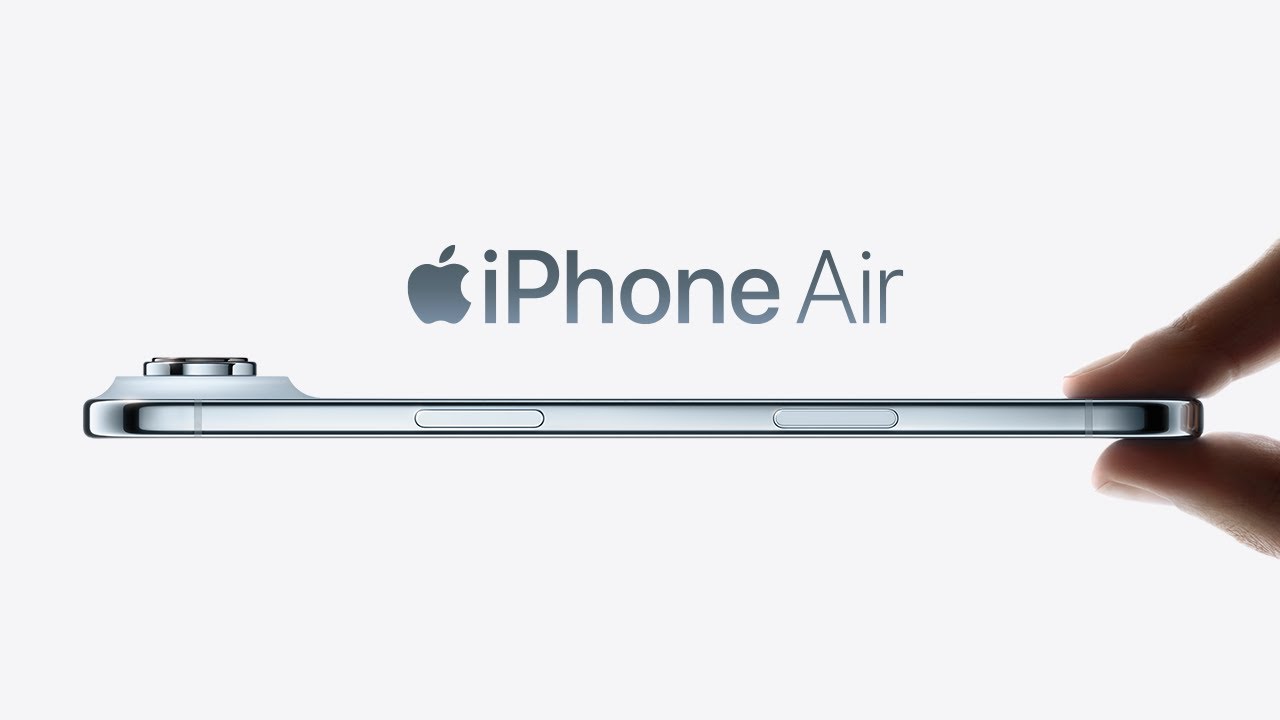
iPhone Air: Bold Experiment or Looming Misstep for Apple?
Apple is no stranger to launching devices that stir debate before the first box even leaves the warehouse. With the introduction of the iPhone Air, the company is once again testing consumer loyalty and market patience. The ultra-thin iPhone is positioned as a new design chapter in Apple’s long smartphone history. But the question remains: is the iPhone Air destined to be remembered as a revolutionary product, or is it quietly lining up to be another underwhelming side project in the company’s otherwise dominant portfolio?
For those wondering, availability is not an issue. As of this week, Apple’s U.S. online store still offers multiple iPhone Air configurations ready to ship by September 19. That’s fast – perhaps too fast, depending on how one interprets the numbers. While Apple fans might appreciate quick delivery, investors and analysts are scrutinizing the demand curve. Meanwhile, Apple’s flagship iPhone 17, 17 Pro, and 17 Pro Max models are stretching delivery times into the “3–4 weeks” range, signaling much stronger interest at least on paper.
Pricing and Positioning
Carriers like AT&T are advertising strikingly different pre-order deals. The iPhone 17 is being pushed with trade-in incentives so aggressive that qualified buyers can walk away with the device at $0 per month. The iPhone Air, by contrast, starts at around $4.73 per month with trade-in. On the surface, the slim design and slightly lower monthly payment make the Air attractive, but Apple’s focus appears to be elsewhere. Tim Cook has spoken repeatedly about the iPhone Air while tying it into broader U.S. investments, but it’s clear that the Pro and Pro Max models are the real stars in terms of driving global demand.
Demand Signals: Mixed or Misleading?
Veteran analyst Ming-Chi Kuo, often considered one of the most accurate Apple forecasters, has weighed in on the early adoption pattern. According to his insights, the iPhone Air’s third-quarter production plan was triple that of last year’s iPhone 16 Plus. That sounds like Apple prepared for success, but availability data tells a more complicated story. Many Air models are still scheduled to ship immediately, while high-demand Pro Max configurations are sold out into October. This discrepancy makes it difficult to tell if Apple simply overestimated Air demand or if the company is deliberately ensuring supply to avoid another “shortage narrative.”
Some argue that Apple’s strategy with the Air is about managing optics. By keeping stock levels high, Apple can project confidence, but it risks giving the impression of weak consumer interest. In contrast, extended wait times for the iPhone 17 Pro Max reinforce the perception that it is the premium must-have device of the year. The balance between availability and exclusivity is delicate, and Apple has long been a master of manufacturing the illusion of scarcity when needed.
Historical Context: Lessons from the Plus and Mini
The iPhone Air is not Apple’s first gamble on form-factor innovation. The iPhone 12 mini and later the iPhone 14 Plus attempted to capture niches – compact users in the case of the mini, and large-screen value seekers with the Plus. Both struggled to find footing. Despite early buzz, sales slowed quickly, and Apple eventually pulled the mini line altogether. The Plus models, though slightly more resilient, were often overshadowed by their Pro siblings. These past missteps loom large as Apple considers the Air’s trajectory.
The Air could end up in a similar position if consumer perception solidifies around it being a “secondary” choice rather than a flagship contender. Its unique thinness is an engineering marvel, but whether buyers value that over raw performance, camera power, or battery life is unclear. In the current market, consumers increasingly prioritize all-day battery and high-end camera features – categories where the iPhone Pro line dominates.
Investor Worries and the Panic Question
When should Apple worry? Some say the alarm bells should already be ringing. The iPhone 16 Plus may not have been a runaway success, but its modest performance at least showed that Apple could afford a lower-tier experiment. If the Air underperforms while requiring higher production costs due to its unique design, the financial impact could sting. And unlike the Plus or mini, Apple seems more publicly invested in the Air’s success, amplifying the risk of embarrassment if it falls flat.
Still, Apple’s dominance in the global smartphone market offers a cushion. The company currently sells three of the world’s most popular smartphones and regularly tops sales charts quarter after quarter. A single underperforming variant won’t tank the company, but it could affect strategy. If early signs suggest weak Air sales, Apple will face a decision: double down with marketing muscle or quietly pivot to focus on the proven 17 Pro series.
The Case for Patience
Yet it would be unfair to call the iPhone Air a flop before it even hits store shelves. Apple has the ability to shape consumer narratives over time. Persistent promotion and patience – the so-called “PPP strategy” – may give the Air the breathing room it needs. After all, first-generation products rarely achieve instant dominance. If Apple nurtures the Air line over several iterations, refining its weaknesses and clarifying its purpose, it could eventually mature into a staple of the iPhone lineup.
Critics often forget that Apple thrives on long-game strategies. The original iPad faced skepticism about whether consumers needed a “big iPhone.” The Apple Watch launched to mixed reviews before becoming the world’s most popular wearable. Even the AirPods, now ubiquitous, were initially mocked for their design. It’s possible the iPhone Air is another such product that will require years of iteration before the market fully embraces it.
Final Thoughts
At this moment, the iPhone Air is both exciting and uncertain. It embodies Apple’s willingness to experiment with design and push hardware boundaries, but it also highlights the risks of deviating too far from what consumers currently demand. Whether it ends up remembered like the iPhone mini or evolves into a mainstream hit will depend not only on early sales but also on how much persistence Apple shows in promoting and improving the concept. For now, patience may be the best strategy – for Apple and for the consumers curious about whether the world’s thinnest iPhone can also be one of its most enduring.
2 comments
ngl this looks like another mini flop 😅
why would anyone pay more for less battery lol