The iPhone Air is Apple’s boldest attempt in years to reimagine what a flagship smartphone can look and feel like. Positioned as the successor to the iPhone 17 Plus, this ultra-slim device is designed for users who crave Pro-level power without sacrificing elegance and minimalism. 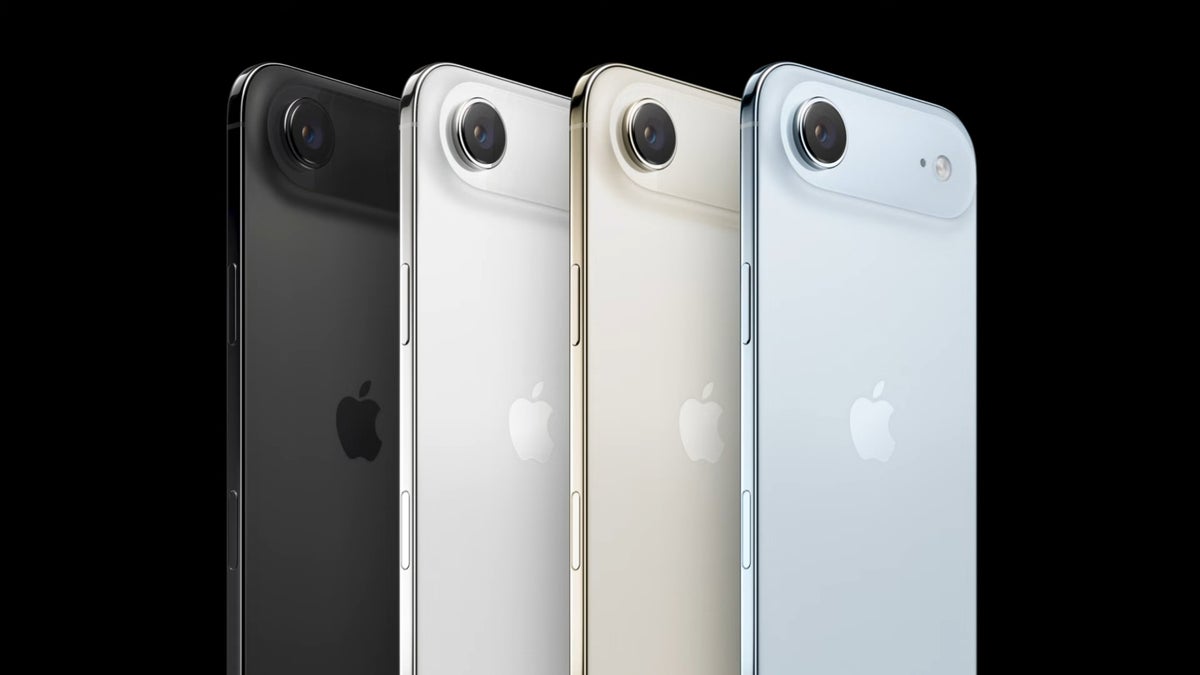
In many ways, it is Apple’s direct answer to the Samsung Galaxy S25 Edge and the wider trend of slim, premium handsets dominating the market.
At first glance, the iPhone Air grabs attention with its refined aesthetics. The handset measures just 5.6mm in thickness, making it the thinnest iPhone ever produced. Apple has introduced four sophisticated shades – Space Black, Cloud White, White Gold, and Sky Blue – that add a subdued but stylish flair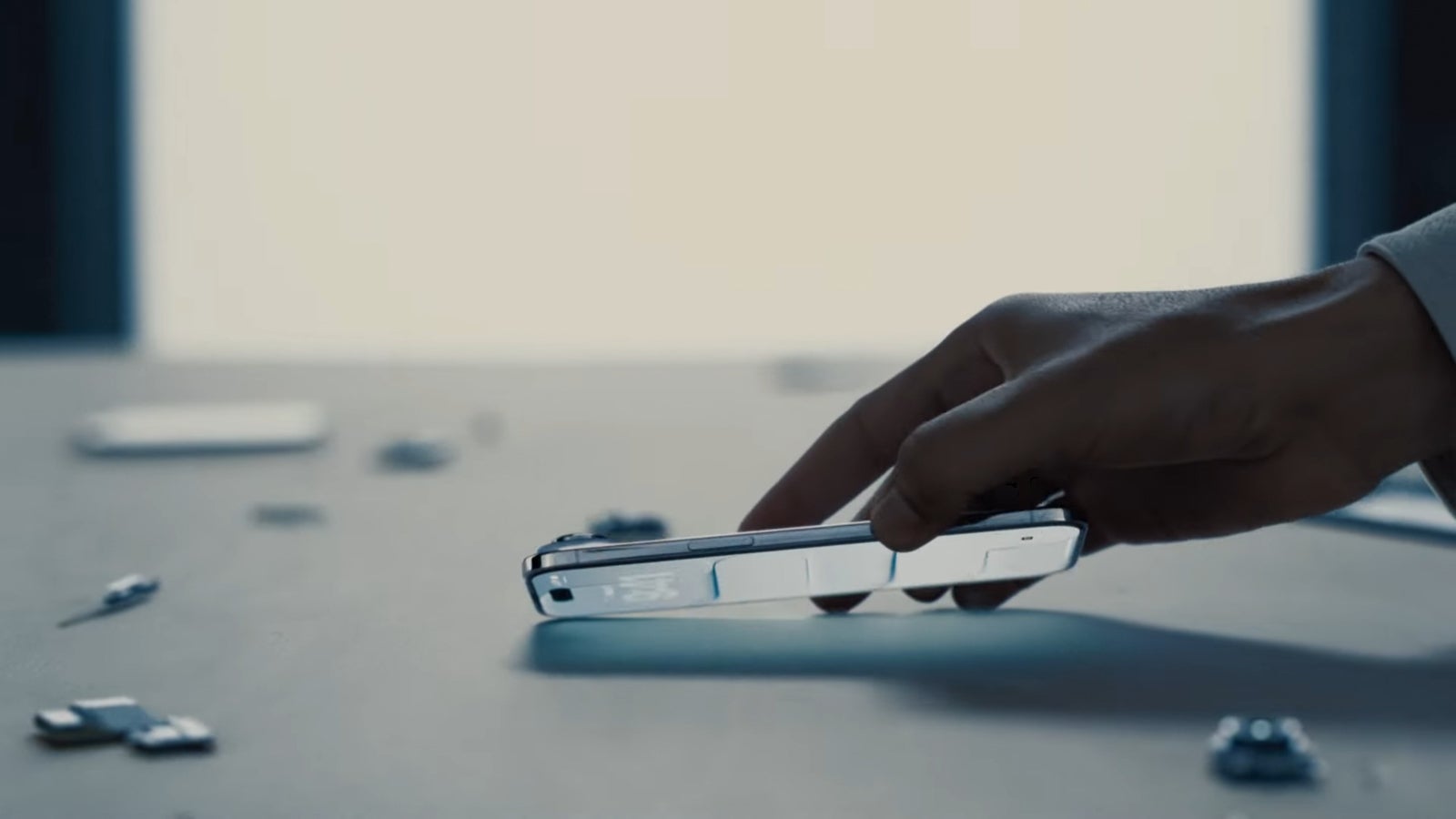
. Combined with its slim bezels and newly redesigned ‘camera bar’ layout, the phone projects a fresh identity while still being unmistakably Apple.
Lightweight but Strong
One of the most striking aspects of the iPhone Air is its build. Crafted from Grade 5 spacecraft titanium, the frame achieves a remarkable balance between strength and weight. This titanium construction is then wrapped with Apple’s Ceramic Shield on both the front and back, enhancing protection against drops and scratches. It’s a major step forward for durability in a phone that prioritizes thinness, ensuring users don’t have to trade resilience for style.
Performance and Power Efficiency
At its core, the iPhone Air runs on Apple’s A19 Pro chip. This processor is not only the most powerful but also the most power-efficient Apple has ever built. The company has completely redesigned the internals to maximize space for a high-density battery. 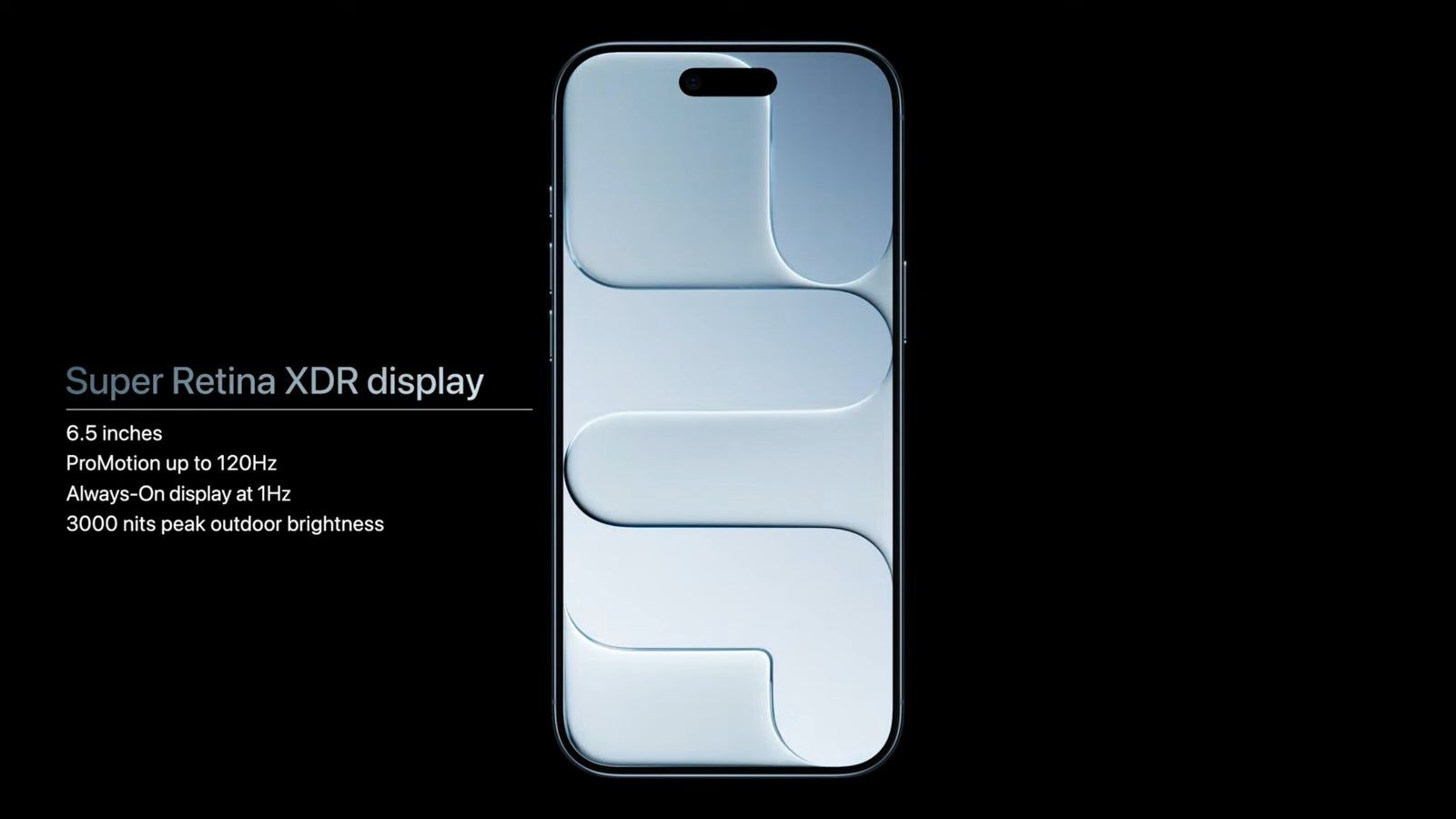
Despite the smaller size, Apple claims that, thanks to Adaptive Power – a system that intelligently adjusts performance to user activity – the iPhone Air will comfortably last a full day on a single charge. For those needing extra longevity, Apple has unveiled a slim MagSafe battery pack specifically tailored to complement the Air’s thin frame.
Display and Size
Apple has given the iPhone Air a 6.5-inch display, positioning it neatly within the lineup: larger than the iPhone 17 and 17 Pro, yet more compact than the 17 Pro Max. This display size, paired with the slender body, makes the device highly appealing to those who want a large screen without carrying around a bulky handset. Whether streaming videos, gaming, or browsing, the display hits a sweet spot for usability and comfort.
Camera Innovations
While the iPhone Air carries only a single rear lens, Apple hasn’t compromised on quality. The 48MP Fusion camera, using Apple’s Photonic Engine, delivers 24MP default images with exceptional clarity and detail. This is reminiscent of the iPhone 16E’s approach but with improvements in low-light performance and color accuracy. Focus Control gives users more control over depth and subject clarity, while Photographic Styles allow for greater personalization. On the video side, Dual Capture Video lets users record both front and rear perspectives simultaneously, making the phone ideal for vlogging or dynamic storytelling.
The front-facing camera isn’t neglected either. Apple has introduced a new Center Stage selfie camera that automatically frames users regardless of how the phone is held, ensuring that group selfies and video calls always look natural and balanced.
Accessories and Ecosystem
To complement the iPhone Air’s slim profile, Apple has developed new cases that provide protection without ruining the sleek silhouette. These accessories highlight the device’s thinness instead of hiding it, a nod to Apple’s awareness that buyers will want to show off the engineering marvel they’re carrying. With MagSafe support intact, the phone remains deeply integrated into Apple’s ecosystem of wireless chargers and accessories.
The Bigger Picture
The iPhone Air is more than just another model in the iPhone lineup – it’s Apple’s response to evolving consumer expectations. People want lighter, thinner devices but refuse to compromise on performance, battery life, or durability. The iPhone Air tries to strike that delicate balance. By slimming down the hardware while packing in top-tier components, Apple is betting that the Air will be the go-to choice for those who want Pro power in a design that feels featherlight.
Although this is only the beginning of the iPhone Air story, it already positions itself as one of the most intriguing releases in years. With its combination of design finesse, engineering innovation, and seamless integration with the Apple ecosystem, the Air could set a new benchmark for what premium smartphones should aspire to be.