Apple’s unveiling of the iPhone Air was supposed to mark a bold new chapter for the company’s design philosophy, showcasing the thinnest and sleekest iPhone it has ever built. Yet, in one of the most important markets for Apple, mainland China, that launch has been abruptly stalled. Customers hoping to pre-order the device were instead greeted with a vague notice on Apple’s official Chinese website: “Release information will be updated later. 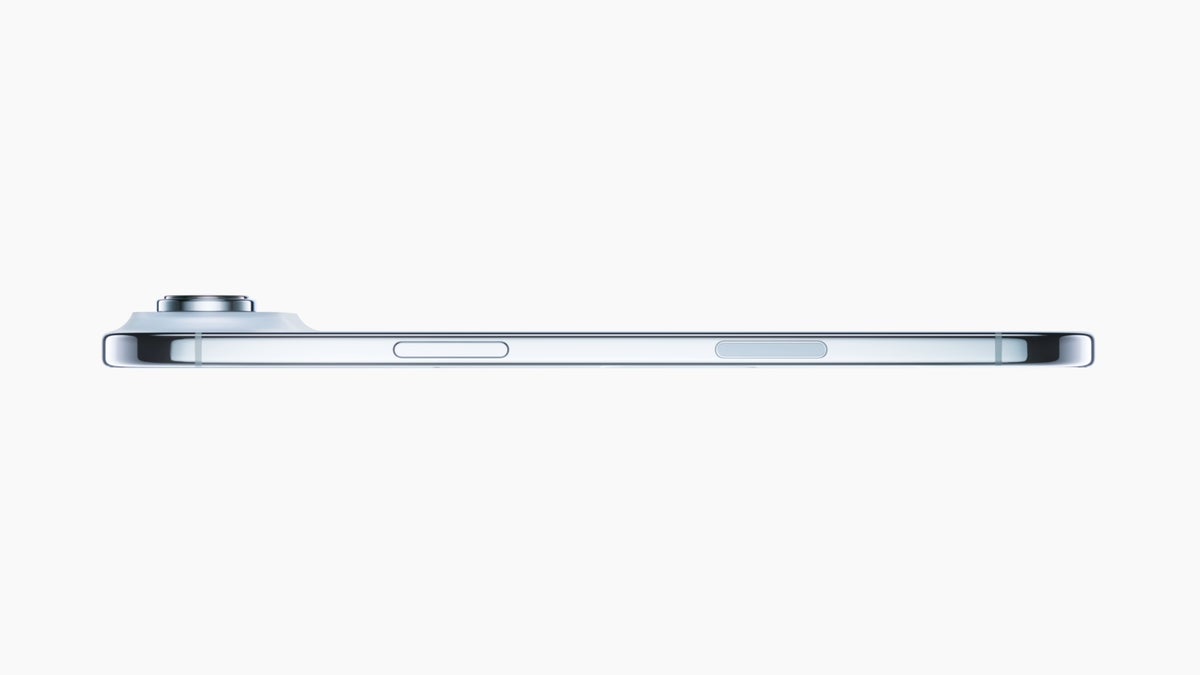
All models will be released after approval.” The absence of an ‘add to cart’ button left fans baffled and disappointed.
At the heart of the problem lies a regulatory standoff over technology adoption. Unlike its sibling devices – the iPhone 17, 17 Pro, and 17 Pro Max – the iPhone Air ships exclusively with an eSIM setup, having eliminated the traditional SIM card slot to achieve its razor-thin form. In countries such as the United States and across much of Europe, this change is relatively seamless. Carriers already widely support eSIM, and users are increasingly accustomed to digital-only setups. But in China, the mobile ecosystem remains heavily entrenched in physical SIM cards. This divergence is now causing Apple major headaches.
Bloomberg’s Mark Gurman reported that Apple’s decision to forgo the physical SIM tray altogether was a gamble – one that now appears miscalculated, at least for the Chinese market. While the iPhone Air represents Apple’s commitment to pushing boundaries in design, the lack of hybrid functionality means Chinese regulators need to carefully vet the device. Approval is far from automatic, as the country’s telecom infrastructure and consumer habits have yet to shift decisively toward eSIM adoption. In contrast, Samsung’s Galaxy S25 Edge, for instance, includes both eSIM and physical SIM capabilities, allowing it to sidestep such roadblocks and enjoy a smoother rollout in regions with slower regulatory uptake.
It’s worth noting how significant this delay is strategically. China is not just any market – it’s one of Apple’s most lucrative territories, accounting for a massive share of iPhone sales worldwide. Any interruption in release schedules can ripple into Apple’s quarterly performance and even affect its stock outlook. More importantly, the optics of being unprepared for local regulatory demands undermine Apple’s image of meticulous planning. Many industry observers are surprised that such a giant, with decades of experience dealing with different governments, would stumble on an issue as predictable as SIM card regulation.
For consumers, the stakes are equally real. While American users may view eSIM as convenient – offering faster carrier switching and eliminating the need for fiddly trays – international travelers often grumble about the inconvenience. Being able to quickly insert a local SIM abroad is still the simplest way to avoid exorbitant roaming charges. In China’s case, where carriers and regulators exercise tight control, the lack of a SIM option is more than an inconvenience; it’s a barrier to even being able to use the device legally until approval comes through.
The iPhone Air thus embodies both Apple’s ambition and its blind spot. The pursuit of thinness and elegance, stripping away every millimeter possible, resulted in a decision that traded flexibility for aesthetics. The philosophy behind the Air is clear: Apple wants to demonstrate once again that it leads, not follows, in design language. Yet, this very pursuit of innovation shows how global markets can push back. Even a company as influential as Apple cannot bulldoze past the realities of local infrastructures and regulatory landscapes.
Some analysts see this as a reminder of the challenges facing ultra-globalized product design. One-size-fits-all strategies are increasingly risky when markets like China demand tailored solutions. Samsung’s hybrid approach demonstrates pragmatism: offering futuristic features while retaining backward compatibility. Apple’s all-in bet on eSIM may eventually pay off, as more countries align with the digital standard, but the delay underscores the need for patience.
For now, Apple enthusiasts in China will need to wait. While pre-orders for the iPhone 17 series continue unabated in the region, the Air remains in limbo. Whether regulators grant approval swiftly or force Apple to reconsider aspects of its rollout, the episode is already shaping up to be a case study in how design ambition must be balanced with market readiness. The thinnest iPhone ever might also become the most delayed in one of the world’s most critical arenas.
What’s clear is that Apple hasn’t just hit a speed bump – it has run into a broader debate about the trade-offs of modern smartphone design. The iPhone Air is not just a device; it’s a statement. But as China shows, bold statements sometimes meet immovable realities.