Rumor Check: iPhone Air 2 Could Finally Go Dual-Camera – But Apple May Keep the Same Shell
Apple’s thinnest flagship may be getting the one upgrade fans have been shouting about since day one: a second rear camera. Multiple whispers point to an iPhone Air 2 – possibly marketed as the iPhone 18 Air depending on Apple’s 2026 naming – moving to a twin 48MP setup. At the same time, don’t expect a radical new look. Early chatter suggests Apple will keep the horizontal camera plateau and overall silhouette unchanged, prioritizing internal rework over external drama.
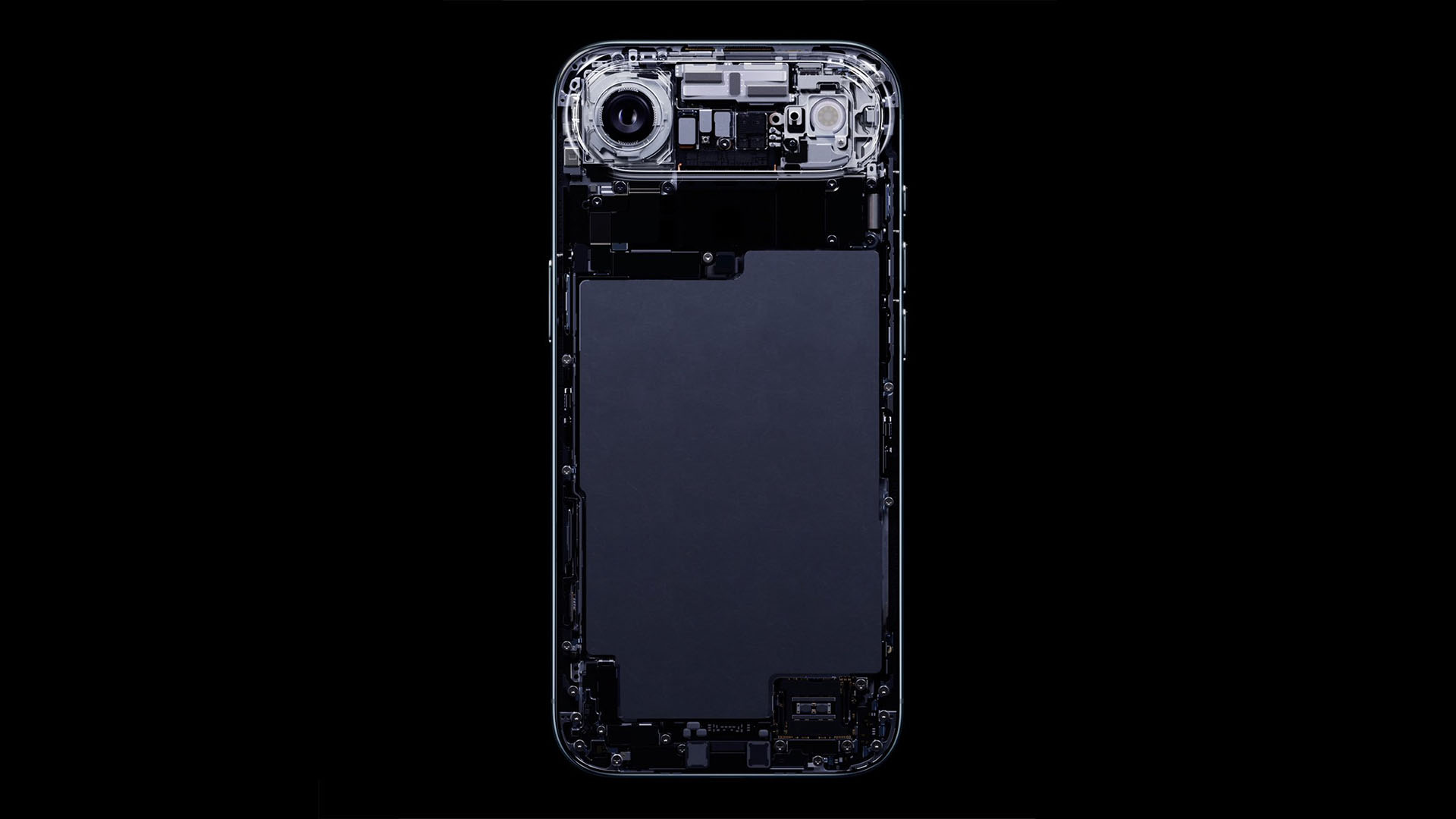
Let’s set the stage. The first iPhone Air proved Apple can bend physics: a wafer-thin 5.6mm body, a compact logic board pushed to the top, and much of the interior ceded to battery. Performance wasn’t a problem – the A-series silicon flew – but optics were controversial. One rear camera on a modern premium phone is a hard sell, and the market’s mixed reaction made that painfully clear. Some buyers loved the minimalist spec and ultra-thin feel; others saw it as feature-starved, with a camera experience that couldn’t match rivals. The community’s sentiment reflects this split: a chorus of “who’s buying this?” countered by owners who actually enjoy the lightweight form and slick performance.
The new rumor claims a pair of 48MP “Fusion” sensors: a primary wide and an ultrawide. That combination has obvious advantages. The ultrawide would transform everyday shooting – group photos, travel scenes, architecture, tight interiors – while the high-resolution wide sensor enables detailed captures and more flexible cropping without as much quality loss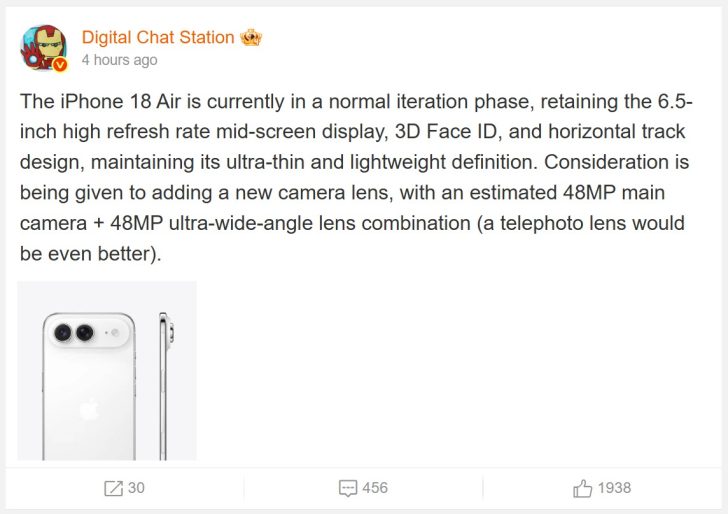
. A missing telephoto, however, is notable. From an engineering perspective, a true periscope telephoto eats space: prism assemblies, folded optics, larger OIS modules, and the extra structural support they demand are tricky to reconcile in a chassis obsessed with thinness. If Apple is clinging to that featherweight profile, wide + ultrawide is the compromise that makes packaging sense.
Some skeptics call out “megapixel marketing,” and the criticism isn’t baseless. Whether a 48MP smartphone photo looks better than a 12MP shot often comes down to the pipeline: pixel binning, noise handling, sharpening, and color science. Apple’s recent 48MP workflows typically combine pixels to create brighter, cleaner 12MP images by default while letting you pull full-res files when you need them. If the Air line gets dual 48MP sensors, the real story is not just the raw numbers – it’s whether Apple’s computational photography can consistently deliver crisp, low-noise output in dim light without smearing detail.
Under the hood, a camera addition is never “just bolt it on.” Expect a round of internal Tetris: logic board shrink (A20 Pro class silicon would likely ride a tighter board), rearranged antennas, and re-thought thermal paths so the Air doesn’t throttle when recording long 4K clips. The ultrathin frame also limits sensor size and lens stack height, which in turn affects light capture and bokeh. That may be why Apple reportedly favors the ultrawide second lens over a bulkier telephoto – keep the body line intact, keep accessory fitment consistent, and avoid cascading thermal and rigidity penalties.
Design continuity has strategic upside, too. Retaining the current plateau and port placement stabilizes the accessory ecosystem and manufacturing yields. It also signals that the Air is an identity product: ultra-thin first, maximal features second. The risk is perception. A familiar exterior paired with a spec bump can read as “minor update,” especially to users who equate innovation with visible change. But for many day-to-day shooters, a second lens is exactly the missing piece – more “range” without learning curves, and a better hit rate across travel, events, and social snaps.
Battery tech remains a wild card. We’ve argued before that a silicon-carbon chemistry could be the lifeline this line needs, delivering higher energy density without thickening the shell. If Apple pursues that in the 2026 timeframe, the Air could stop choosing between thinness and stamina. Absent that, any camera gain must not come at the cost of screen-on time, something thin phones have historically struggled to balance.
Rumor Scorecard – 70% Probable
- Source quality: 3/5. Track record is mixed but non-trivial.
- Corroboration: 3/5. The dual-camera claim is echoed, naming is less certain.
- Technical feasibility: 4/5. Wide + ultrawide in a thin chassis is realistic; telephoto is the outlier.
- Timeline fit: 4/5. A 2026 refresh with internal re-layout aligns with typical hardware cycles.
What to watch next: supply chain breadcrumbs – sensor and lens orders, a tighter logic board spotted in teardowns of precursor models, and regulatory database hints. If prototypes enter EVT/DVT on schedule, leaks should start clarifying whether “iPhone Air 2” or “iPhone 18 Air” ends up on the box, and whether the ultrawide inherits the same 48MP pipeline as the main lens for parity in detail and video modes.
Bottom line: A second 48MP camera without a cosmetic overhaul sounds exactly like an Apple move for the Air line: fix the day-to-day camera limitation, keep the brand’s ultra-thin identity, and avoid the mass-gain a periscope would bring. If Apple also shores up battery life, the sequel could convert many of today’s skeptics – without alienating fans who bought the original for how impossibly light and slim it feels.
1 comment
Thin is cool until the battery dips at 5pm. If they add a 2nd cam AND fix endurance, i’m in