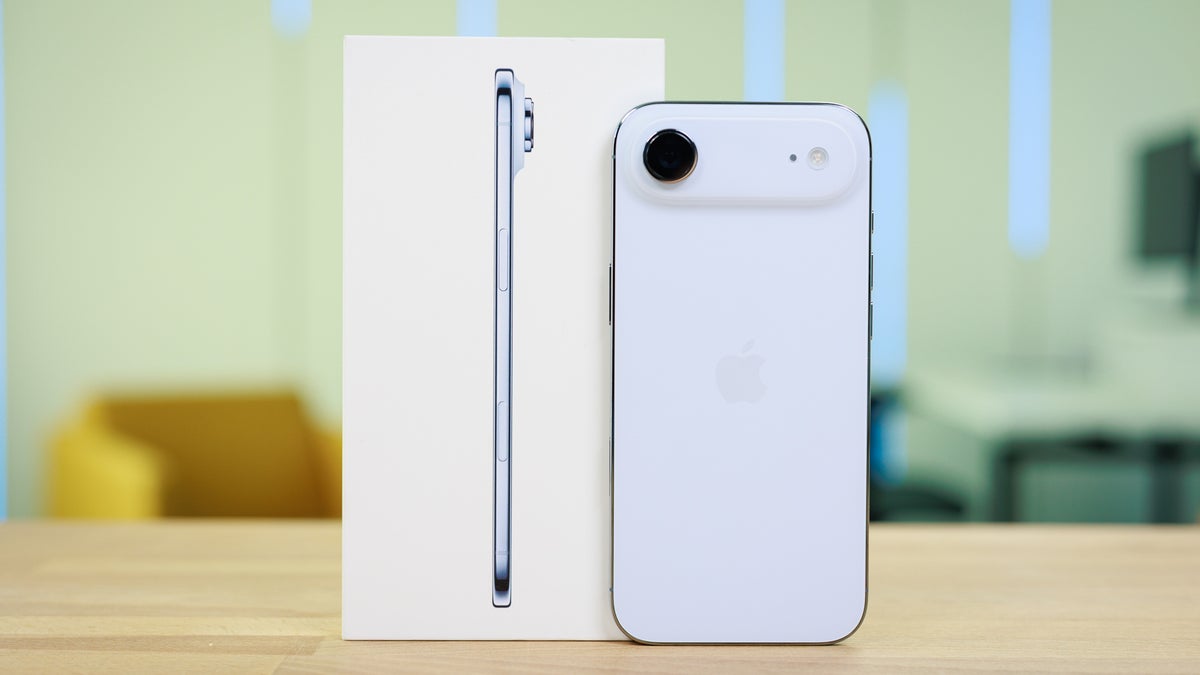
iPhone Air 2 and Air 3: Apple’s ultra-slim phone lives on – but one big flaw might, too
Apple’s thinnest iPhone isn’t a one-off experiment after all. A new analysis attributed to J.P. Morgan suggests the company has penciled in two follow-ups to the iPhone Air: an iPhone Air 2 reportedly targeting the fall of 2026, and an iPhone Air 3 expected in the second half of 2027. That roadmap pushes back on earlier chatter that Apple could scrap the super-slim line after its debut.
There’s a catch, though. The same leak indicates Apple may double down on the Air’s defining trade-offs: a single rear camera – likely the familiar 48MP sensor – and a body so thin that battery capacity and stamina remain the elephant in the room. In other words, the Air might stay gorgeous and feather-light, but it may not fully solve the one thing critics and power users keep grumbling about.
What the alleged roadmap says
- Two sequels are planned: iPhone Air 2 in late 2026, followed by iPhone Air 3 in 2027.
- Camera strategy: Apple is expected to stick with one rear camera and keep the 48MP sensor through at least 2027.
- Design priority: Slimness and minimalism over feature bloat – consistent with the Air branding across Apple’s lineup.
If accurate, this is classic Apple: iterate on a clear product identity rather than chase spec-sheet arms races. The single-camera choice keeps costs and thickness in check while leaning on computational photography to do the heavy lifting.
Will Apple really stick with just one camera?
Conflicting rumors have swirled about a second rear camera arriving with iPhone Air 2, but the latest analysis pushes back. There’s logic to Apple’s restraint: dual-camera modules add thickness, weight, cost, and complexity. Apple could argue that most daily shots are covered by a high-quality wide sensor plus smart cropping, pixel binning, and modern HDR pipelines. Still, for enthusiasts who swap between ultra-wide, wide, and telephoto without thinking, the lack of a second lens will feel like a ceiling the Air can’t break.
The real sticking point: battery life in a wafer-thin frame
Make no mistake: the Air’s biggest flaw is endurance. The thinner you go, the harder it becomes to house a large cell or aggressive thermal design. Apple can claw back minutes and hours via more efficient silicon, adaptive refresh displays, and iOS power management – but physics is stubborn. Unless Apple unveils a packaging breakthrough or higher-density cells, an Air will likely trail the chunkier Pro models and even some standard iPhones in all-day longevity.
That’s why the Air, as it exists, reads like a lifestyle phone: stunning to hold, a joy to slip into a pocket, and perfectly adequate for light users – but a tougher sell for road warriors, creators, and gamers who routinely push their phones into single-digit percentages before dinner.
How we got here: Apple rarely abandons a form factor immediately
History suggests Apple gives new sizes and ideas at least a second act. The iPhone 12 mini was followed by the iPhone 13 mini, despite modest sales, and the Plus concept endured multiple cycles through the iPhone 16 Plus. It would be out of character for Apple to drop the Air right after launch, especially when manufacturing scale, accessory ecosystems, and marketing narratives benefit from continuity.
Meanwhile, rivals are still figuring out “thin” phones
Apple isn’t alone in testing the boundaries of slim. Samsung reportedly hit turbulence with the Galaxy S25 Edge and, according to industry chatter, nixed plans for a Galaxy S26 Edge follow-up as it recalibrated its lineup. At the same time, the Motorola Edge 70 Air and Huawei Mate 70 Air are new entrants, but it’s far too early to know whether consumers will prize millimeters shaved off the body more than the second camera or bigger battery they might sacrifice.
What would make iPhone Air a mainstream hit?
- Add a second rear camera – even a compact ultra-wide – without bloating the frame. That unlocks creative flexibility and better event/travel coverage.
- Boost battery life – whether through denser cells, smarter thermal envelopes, or silicon efficiency – so users aren’t rationing screen time.
With those two fixes, the Air could graduate from a beautiful niche to a credible daily driver for a broader audience. Apple has the silicon chops and supply-chain leverage to pursue both; the question is whether it can do so without breaking the Air’s core promise of lightness.
Who the Air is for – right now
If you value comfort, minimalism, and design, the Air line is tailor-made for you. If you need battery endurance, optical zoom, or pro-grade versatility, you’ll likely look to Apple’s thicker siblings. That split isn’t a failure; it’s portfolio strategy. But as we head toward 2026 and 2027, Apple’s challenge is to narrow the gap enough that more people don’t have to choose.
Bottom line
The iPhone Air appears set for at least two more rounds. The brand’s future looks slim, stylish, and intentional – but unless Apple tackles the one-camera limitation and the battery life question, the Air will remain a gorgeous conversation piece rather than the default iPhone most people can trust from breakfast to bedtime.
2 comments
Just give me a decent battery and an ultrawide, I’m in
Air is perfect for pockets and tiny bags, y’all are sleeping on that