Apple has never been satisfied with turning out plain plastic shells for its phones, and the latest whispers around the future iPhone 20 Pro suggest that the humble protective case could become a powerful control surface of its own. According to a new leak, Apple is exploring official cases with built in touch or pressure sensitive layers that would let you interact with your phone simply by pressing, tapping, or swiping on the case itself.
How strong is the rumor about an interactive iPhone 20 case?
The report originates from Instant Digital, a well known tipster on Chinese social platform Weibo, and has been judged as sitting in the middle of the credibility scale. 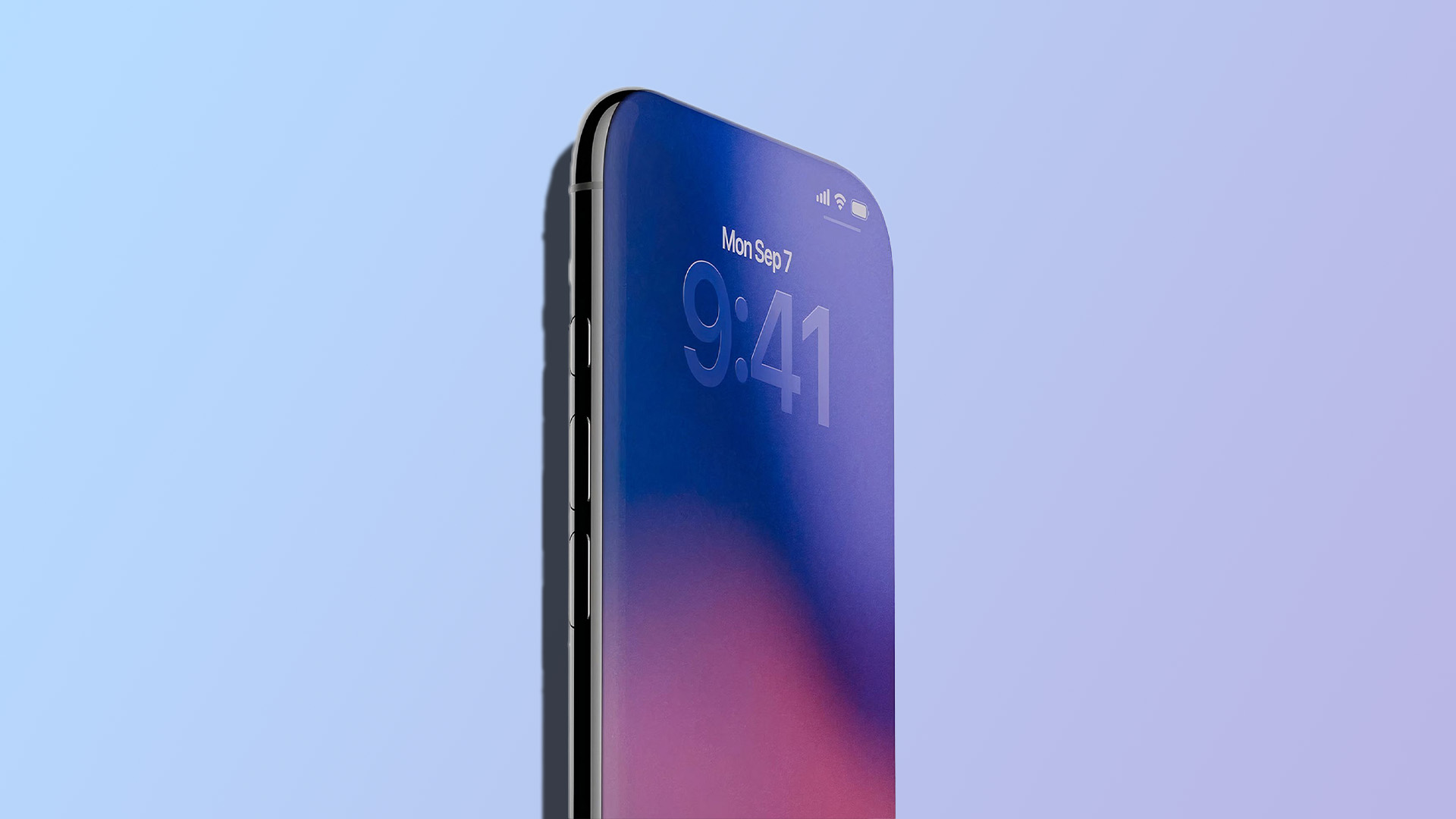
On an internal rumor meter that runs from long shot to almost certain, this story lands in the plausible band at around sixty percent. Source reliability, corroboration from other leakers, technical feasibility, and the proposed launch window all earn a middling three out of five, painting a picture of an idea that fits Apple's roadmap but is still far from guaranteed.
In practice, a plausible rating means the concept matches what we already know about Apple's long term strategy, even if crucial details could change or the feature might slip to a later generation. With the iPhone 20 family not expected until 2027, there is plenty of time for Apple to refine, delay, or quietly cancel the project if it no longer makes sense.
The patent trail: cases that replace your buttons
One major reason this rumor is getting attention is that Apple has already sketched out the idea on paper. A patent application filed in 2024 describes iPhone cases that embed capacitive or pressure based sensors. Once the phone detects that such a case is attached, it can deliberately switch off one or more hardware buttons and instead respond to signals coming from the case. In other words, the physical key you press could live on the accessory, while the phone interprets that input in software.
The patent goes even further, mentioning context aware actions: the same press on the side of the case could adjust volume in one app, trigger the camera in another, or act as a shortcut for accessibility features. That blueprint lines up neatly with today's leak about touch aware iPhone 20 Pro cases, making it easier to imagine how Apple could turn the document into a real product.
From mechanical to solid state: Apple's path to a buttonless iPhone 20
This rumored case does not exist in a vacuum. Over the next few years, Apple is believed to be steadily walking away from traditional moving buttons altogether. The iPhone 18 line, expected to precede the iPhone 20 by two generations, is tipped to introduce a simplified camera control key that focuses on pressure sensing while dropping the more complex capacitive induction layer that early prototypes reportedly used.
By the time the iPhone 20 arrives, Apple is said to be ready to make the full jump to solid state buttons for nearly every physical control: camera shutter, volume controls, and the power or screen lock key. Instead of a clicky mechanical part, these areas would respond to pressure and be backed by precise haptic feedback so that they still feel like real buttons under your finger.
That shift raises an obvious problem for case designers. On current iPhones, a thick rugged case simply extends the real button through a plastic plunger. If the iPhone 20 has almost no moving parts on its sides, a case cannot just copy that approach. Building sensors directly into Apple's own protective cases neatly solves the issue: you press on the case, the case senses the input, and the iPhone 20 translates it into the right solid state action.
What an interactive iPhone 20 Pro case could actually do
Once you accept the idea that the case itself is an input device, the possibilities go far beyond mimicking volume keys. A pressure zone on the lower edge might let you launch the camera when the phone is locked, even if you are wearing gloves. A two finger swipe along the spine of the case could scrub through a video or a podcast. Squeezing the top corner might silence an incoming call, while a quick double tap could trigger an automation you created in the Shortcuts app.
Because the sensing layer would be defined in software, Apple could offer deep customization or even per app profiles. Power users might design complex layouts for gaming or creative apps, while more casual owners could keep a simple set of gestures for everyday tasks. In theory, Apple could also expose some of these capabilities to third party case makers through a certified accessory program, though there is every incentive for the company to keep the most advanced tricks exclusive to its own first party cases.
Between innovation and uncertainty
As exciting as the concept sounds, the usual caveats apply. Apple files many patents that never leave the lab, and a rough plan for the iPhone 20 line in 2027 is still flexible enough to change. Component costs, engineering challenges, or shifting design priorities could all push the interactive case idea back a few years, limit it to Pro and Pro Max models, or quietly retire it in favor of a simpler approach.
Still, the pieces fit together in a compelling way. Apple wants cleaner hardware with fewer openings, a move that helps durability, water resistance, and design purity. Solid state buttons advance that goal, and smart cases with built in sensors provide a practical way to keep the phone easy to control once the last mechanical key disappears. If Instant Digital's leak is on target, the iPhone 18's new camera control will be the first visible step, and the iPhone 20's interactive protective cases could complete the transition from old fashioned buttons to a seamless, touch sensitive shell.
For now, all we can do is watch the next few iPhone generations unfold. But if you are the type of user who always buys an official Apple case on day one, the accessory wrapped around your future iPhone 20 might end up being just as clever and capable as the device it protects.
2 comments
bro my cheap silicone case already triggers random presses, cant imagine it with sensors on purpose 😭
60 percent plausible means i should NOT start saving for an iphone 20 case yet right