Apple’s iPhone 18 Pro story is taking shape far earlier than usual, and if the latest supply chain chatter holds, 2026 could deliver the boldest visual reset since the iPhone X. Multiple leaks converging now sketch a device that strips the front of its pill cutout in favor of a precise punch-hole and flips the back into view with a transparent or translucent cover. 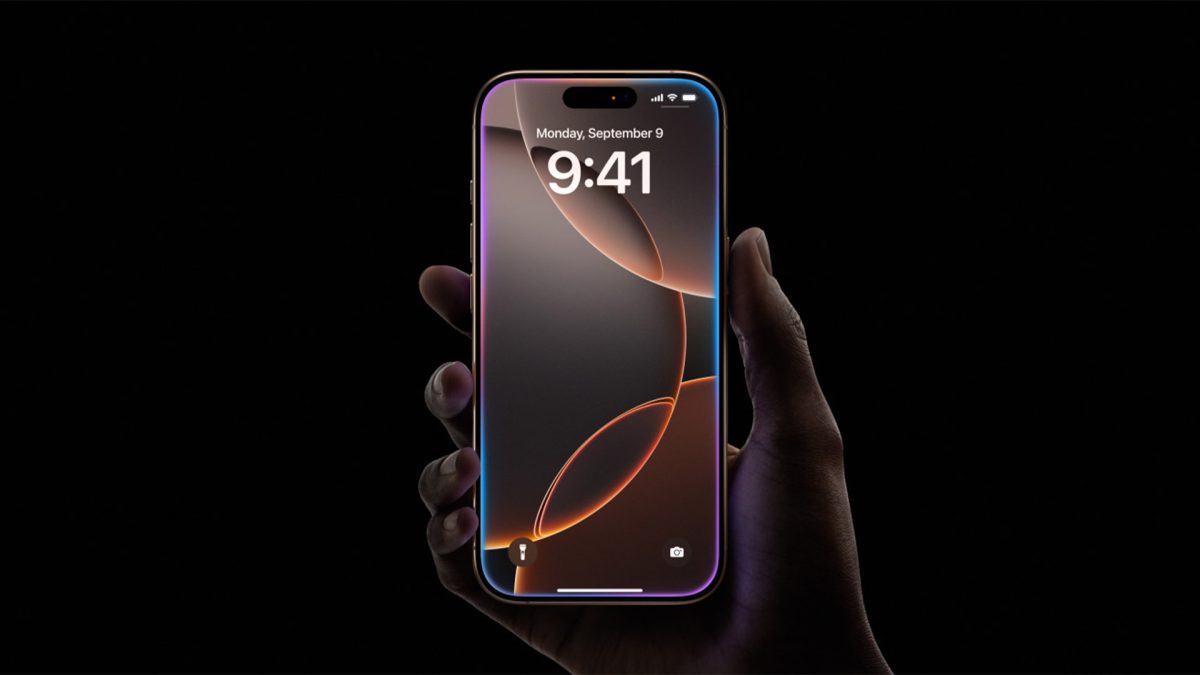
This is more than a cosmetic update – it looks like a deliberate step toward the company’s long-rumored 20th-anniversary vision for 2027: a seamless slab of glass with as few external interruptions as possible.
Punch-hole on the front: Dynamic Island’s next act?
The tipster known as Digital Chat Station claims Apple is testing a “special HIAA hole-punching solution” for the iPhone 18 Pro line. HIAA – short for Hole-In-Active-Area – generally refers to manufacturing processes that drill through the display’s active pixels with extremely tight tolerances, minimizing visual artifacts around the camera window. In practice, it suggests Apple is exploring a small, centered punch-hole for the selfie camera while keeping the rest of the panel intact.
What happens to Dynamic Island? One camp, including a report from The Information, has long suggested that Apple wants to tuck the TrueDepth Face ID sensors under the display, removing the need for a pill-shaped cutout entirely. Another credible voice – Bloomberg’s Mark Gurman – has been more skeptical about near-term under-panel Face ID deployment. If Apple goes punch-hole for iPhone 18 Pro, it may mean under-display Face ID is either ready or Apple will re-platform parts of Dynamic Island’s UI around a smaller aperture. Either way, expect Apple to lean into software polish so the interface feels intentional, not compromised.
Transparent back: Apple flirts with visible engineering
Perhaps the most head-turning rumor is a transparent or translucent rear cover paired with a large horizontal DECO – industry shorthand for the camera module structure and decorative elements. The aesthetic recalls the Nothing Phone playbook, which popularized see-through backs to celebrate internal components. Apple’s take would likely be more restrained: clean lines, carefully obscured busy parts, and elevated materials that keep the look premium rather than gadget-y.
Beyond the visual drama, a see-through back raises practical questions: thermal behavior, drop resilience, scratch resistance, and antenna performance. Apple has long balanced form with function (remember ceramic shield and precision antenna windows), so a transparent finish would almost certainly ride on process tweaks – coatings, laminations, or internal shields – to maintain durability and radio efficiency. If executed well, it could re-energize iPhone’s silhouette while reinforcing the message that Apple’s internal design is as intentional as the outer shell.
Cameras: variable aperture and a 48MP telephoto
On imaging, Digital Chat Station reiterates two notable shifts: a variable-aperture main camera and a 48-megapixel telephoto. A variable aperture would let the phone adapt the lens opening to the scene – widening in low light to capture more photons, closing down in bright conditions for deeper depth of field and improved sharpness. Paired with Apple’s computational pipeline, that could minimize motion blur at night, refine skin textures, and keep groups in focus without over-cranking ISO.
The 48MP telephoto rumor suggests higher-detail zoom and cleaner crops for 4K video and portrait work. Add in the expected three-layer stacked sensor architecture for faster readout and better noise performance, and the iPhone 18 Pro duo read like a hardware platform built to stretch Apple’s photographic style: true-to-life color, natural skin tones, and steady, low-noise night shots.
Buttons, materials, and thermal design
Another small but telling tweak: Apple is reportedly removing the capacitive induction layer from the camera control button and keeping only a pressure-sensing layer. Translation: the button should feel more consistent in rain, gloves, or accidental brushes, while still supporting half-press focus or pressure-based shortcuts. It’s the kind of component-level refinement Apple favors – quiet upgrades that reduce false activations and sharpen tactile feedback.
Thermals are also on the docket. The Pro models are tipped to include a stainless-steel vapor chamber, a familiar technology in high-end gaming phones that wicks heat away from hot spots for sustained performance. Complementing that is a novel steel-shell battery rumored for the Pro Max, a structural evolution that could improve cell rigidity, longevity, or safety margins while aiding heat dissipation. Combine these with a more open rear aesthetic and you have a thermal story that’s as industrial as it is visual.
Silicon and connectivity: 2nm ambitions
Under the hood, expectations center on an A20 Pro SoC built on a 2nm process with CoWoS packaging (Chip on Wafer on Substrate). In plain English: smaller transistors, tighter integration between CPU/GPU, unified memory, and the neural engine, and more efficient data paths between them. The payoff could be notably lower power draw for the same workloads, a bigger ceiling for on-device AI features, and steadier frame rates in graphics-heavy apps. Apple’s in-house C2 modem is also rumored, pointing to deeper stack control over radio behavior, battery life, and carrier-level features.
Sizes, colors, and product matrix
Display sizes are expected to track the generation before: about 6.3 inches for iPhone 18 Pro and 6.9 inches for iPhone 18 Pro Max. That continuity helps case makers and buyers alike, even as the fascia changes. Color testing reportedly includes brown, purple, or burgundy – richer, more mature tones that complement a translucent back. Apple tends to prototype widely and pick a tight palette near launch, so consider these signals of the mood rather than a final swatch book.
Design trajectory: a bridge to the 2027 “seamless glass” dream
Look at the rumored pieces together – smaller front cutout, exposed back, cleaner buttons, consolidated silicon, steadier thermals – and a theme emerges: reduce visual noise while revealing intentional engineering. If 2027 truly brings a nearly uninterrupted glass slab, iPhone 18 Pro could be the bridge product that gets Apple there without sacrificing usability or brand identity. A refined punch-hole keeps Face ID and selfies practical; a transparent back makes the phone’s inner order a design statement.
Reality check: early leaks, late launch
All of this arrives well ahead of schedule: Apple typically unveils new iPhones in September, and the iPhone 18 family is not expected until late Q3 2026. Prototypes evolve. Suppliers change. Features get cut. Treat today’s details as a well-informed sketch rather than a blueprint. Still, the broad strokes – punch-hole exploration, transparent rear, variable-aperture camera, vapor chamber cooling, 2nm A-series, and a steel-shell battery – align around a credible design philosophy: make the phone look simpler, perform cooler, and photograph better, while quietly preparing for an even cleaner future form.
In short, if the leaks pan out, the iPhone 18 Pro and Pro Max won’t just be iterative – they’ll be Apple’s most public handshake between art and engineering, a phone that literally shows its working.
1 comment
If they remove the island I want the same UI tricks somewhere else, don’t nerf notifications