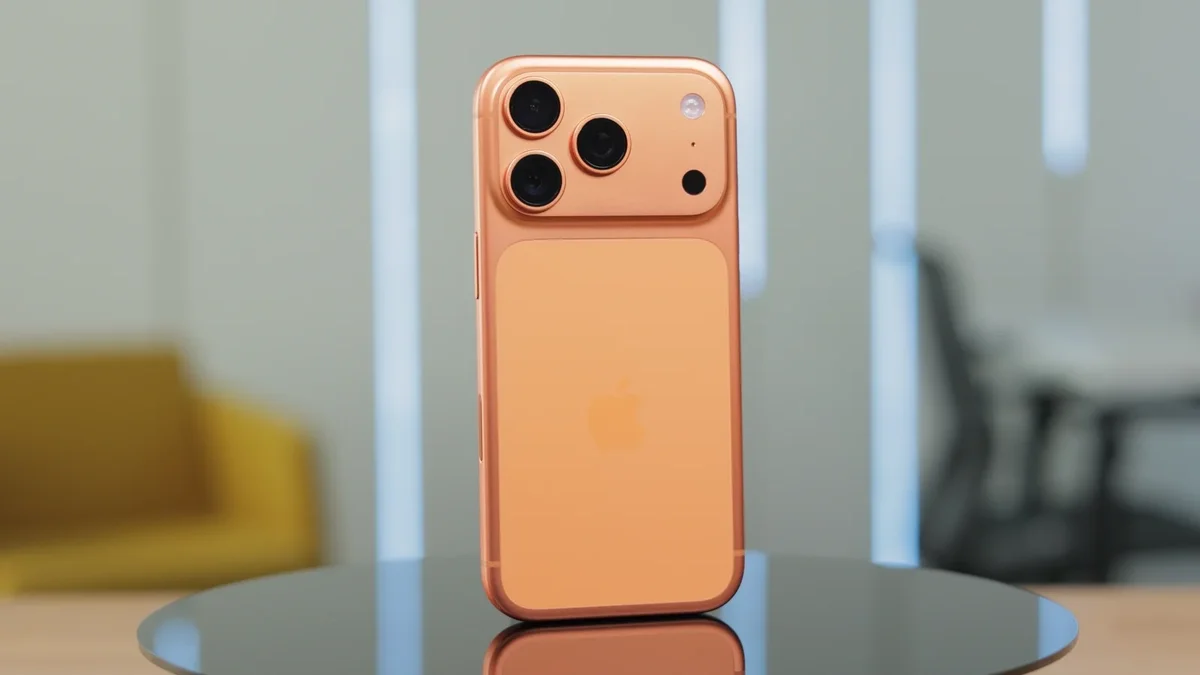
iPhone 18 Pro, Apple’s C2 Modem, and the Real Story Behind Your 5G Speeds
Apple’s long march toward modem independence may finally reach the iPhone 18 Pro in fall 2026, with multiple reports pointing to a switch from Qualcomm radios to Apple’s own second-generation C2 modem. If that happens, it won’t just be a component swap. It will reshape how fast your phone connects, how long your battery lasts on 5G, and how tightly Apple can tune the entire iPhone stack – from antennas and power amplifiers to software scheduling and carrier profiles.
First, context. Apple has never hidden its ambition to control more of the silicon inside the iPhone. The A-series and M-series chips proved the strategy: vertical integration buys performance per watt, smoother updates, and a platform that evolves on Apple’s cadence. Cellular, however, has been the final boss. For years, Qualcomm modems have been the default for iPhones, particularly in the Pro line, thanks to their mature performance, broad band support, and reliability across hundreds of carrier permutations.
Enter Apple’s modem effort. The first iteration, the C1, reportedly shipped inside the iPhone 16e – the “efficient” mid-range sibling – where the stakes were lower and the feature checklist shorter. C1 aimed for stability and power efficiency, but it omitted marquee items you expect on a Pro device, most notably 5G mmWave. That’s the flavor of 5G that screams in dense urban cores and arenas but is notoriously tricky to implement well. The takeaway: C1 was a necessary first step, not a flagship finish line.
Which is why C2 matters. To earn its place in the iPhone 18 Pro, Apple’s modem has to at least match (and ideally edge past) a slate of Qualcomm strengths. Think multi-band carrier aggregation for mid-band 5G, robust mmWave with beamforming in markets that actually deploy it, global band coverage for travelers, and clean support for SA/NSA 5G cores along with VoNR for crisp voice on 5G networks. It also must nail thermal behavior so your phone doesn’t throttle mid-download, and power efficiency so your battery doesn’t evaporate on a train during a long tethering session.
Just as critical is the invisible plumbing: RF front-end components, filters and tuners, and the delicate handshake between antennas and the modem under real-world grip patterns. Apple’s advantage is end-to-end control. It can co-design the C2 with antenna placement, enclosure materials, and the A-series SoC’s scheduling logic. That opens the door to smarter algorithms for dormancy, wake, and dynamic spectrum sharing – little decisions that add up to noticeably better battery life and less flaky reception in marginal signal zones.
Don’t expect a cliff-edge transition, though. The most credible roadmap puts C2 first in the iPhone 18 Pro and Pro Max, while the broader lineup continues to mix in Qualcomm parts for a period. You’ll likely still find an iPhone 17 with a Qualcomm modem on sale through 2026, and even the base iPhone 18 might slip beyond the Pro launch window depending on Apple’s portfolio shuffle (the rumored 17e and a possible second-gen iPhone Air complicate the timing). In other words: for at least a year, Apple could run a hybrid modem strategy – its own silicon at the top end and Qualcomm in other tiers – to de-risk certification and supply.
Here’s what this means if you plan to upgrade in 2026. If the C2 hits its targets, Pro buyers could see steadier mid-band performance – where today’s real-world 5G lives – plus smarter power draw on long streaming or hotspot sessions. In mmWave markets like parts of the U.S. and Japan, the story hinges on whether Apple ships robust mmWave in C2 from day one. If it does, we might see the most consistent mmWave iPhone yet. If mmWave arrives in stages or in limited regions, Apple will lean on strong sub-6 mid-band speeds to carry the experience for most customers.
Carrier certification is another piece. An iPhone is not truly an iPhone until it’s validated against the quirks of dozens of carriers and thousands of network configs. Apple has the leverage and labs to do that work, but it’s painstaking. That’s partly why seeding C1 in a mid-range device made sense: learn in lower-risk territory, then push C2 at the top once the network matrix is ironed out.
Some readers will note – rightly – that this isn’t a “new rumor.” Apple’s intent to bring the modem in-house has been an open secret for years. The difference now is specificity: C2, not C1; Pro, not just an e-series; fall 2026, not “someday.” The arc hasn’t changed, but the milestones are finally in sight.
Of course, there are risks. If C2 underdelivers on mmWave or heat, Apple will face unflattering A/B comparisons against Qualcomm-equipped iPhones still on shelves. If yields bite early, supply could tilt toward certain regions or storage configs. And if roaming hiccups pop up on obscure bands, social feeds will notice quickly. The flip side is equally compelling: a successful C2 gives Apple tighter control over costs, timelines, and differentiation – exactly the levers that made Apple Silicon a runaway success.
Bottom line: For most people, the meaningful 5G experience is mid-band coverage with dependable speeds and low battery drain. If Apple’s C2 delivers that consistently – and keeps mmWave where it matters – the iPhone 18 Pro could be the most balanced 5G iPhone yet, not because it posts the single highest speed test in a stadium, but because it’s fast, quiet, and efficient everywhere else you actually use it.
Quick answers before you buy
- Will mmWave disappear? Unlikely. Expect Apple to prioritize mid-band everywhere and deploy mmWave in markets where it adds value and carriers support it.
- What if I want the safe pick? An iPhone 17 with a proven Qualcomm modem will still exist as a known quantity. The Pro line with C2 will be the cutting edge.
- Should I wait? If you upgrade on a multi-year cycle and care about battery life on 5G, waiting to see C2’s real-world results in late 2026 is reasonable.
Whether you cheer Apple’s independence or simply want a phone that holds signal on a packed subway, the C2 era – if it starts with iPhone 18 Pro – will be the most consequential iPhone modem shift in a decade. And this time, it’s not just a rumor. It’s the logical next step.