Apple’s rumored iPhone 17e redesign could mark one of the most significant shifts in the company’s smartphone design philosophy since the iPhone X. According to new reports from the well-known leaker Digital Chat Station, Apple may be preparing to introduce a Dynamic Island to its next-generation affordable model, effectively retiring the iconic notch that has defined the iPhone’s look for nearly a decade.
The iPhone 17e, expected to debut in the first half of 2026, will reportedly use an OLED display running at 60Hz – a spec consistent with Apple’s standard iPhone lineup rather than the high-refresh-rate Pro models. 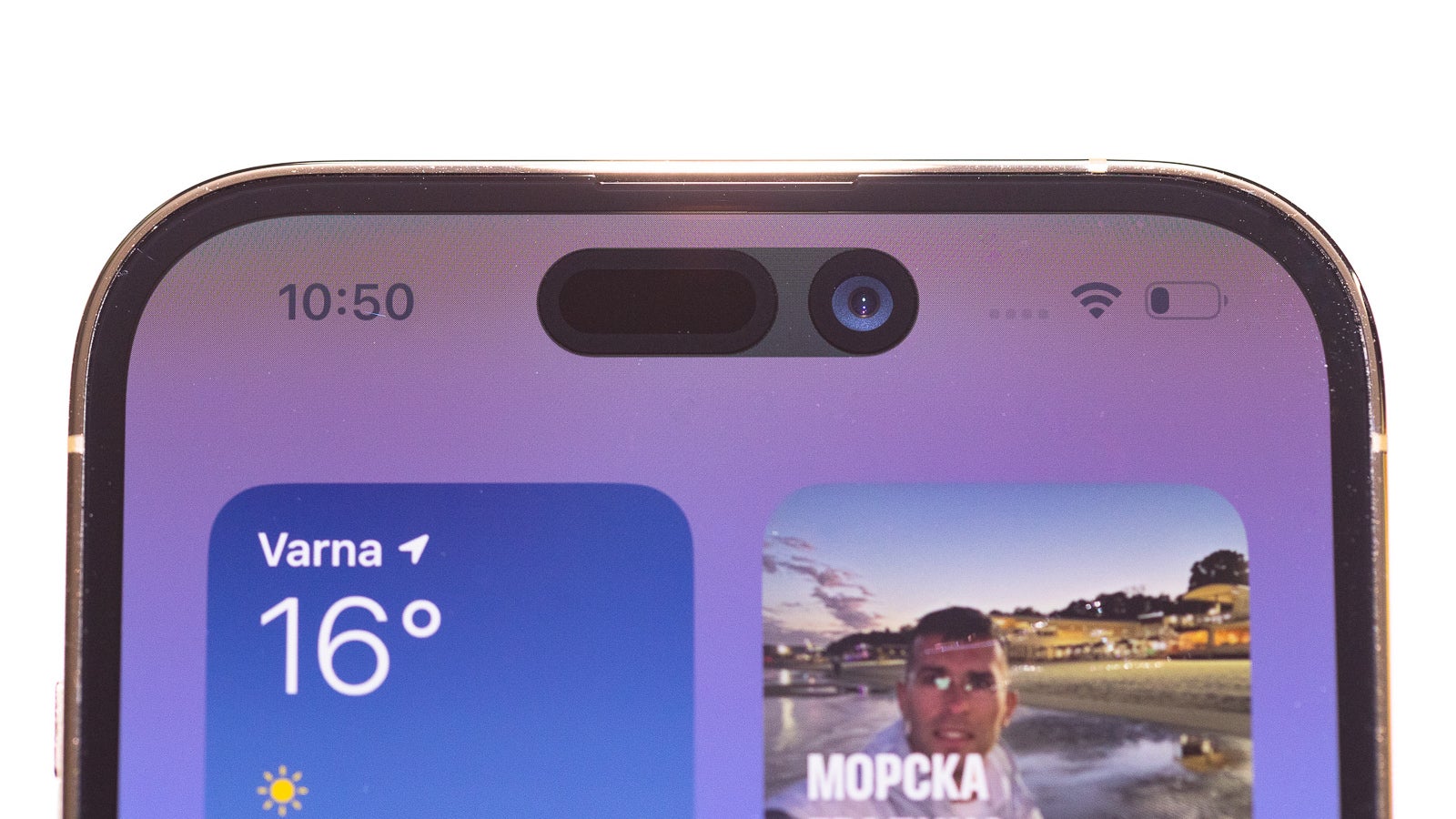
However, this time, the affordable model could finally gain a premium touch: the Dynamic Island. This small but powerful change would align the 17e with Apple’s more expensive siblings, visually and functionally uniting the entire product line under a single design philosophy.
The end of the notch era
The notch, introduced in 2017 with the iPhone X, was one of Apple’s boldest design experiments. While many mocked the black cutout at the top of the screen, it became instantly recognizable – a visual trademark copied by nearly every Android manufacturer for years. But Apple itself gradually moved away from it, introducing the pill-shaped Dynamic Island on the iPhone 14 Pro and Pro Max. This interactive area not only hides sensors but also serves as a notification hub for alerts, calls, and live activities. It transformed a design limitation into a functional UI innovation.
Expanding this feature to the iPhone 17e signals that Apple considers the Dynamic Island mature enough for mainstream users. It also means that even Apple’s budget-friendly customers will enjoy a design language consistent with the flagship models – a move that could help streamline software experiences and simplify manufacturing.
Performance and release expectations
Leaks suggest the iPhone 17e will come equipped with Apple’s new A19 chipset, following the yearly update cadence established with the 16e, which carried the A18 processor. This points to a strategy of keeping the affordable line technically relevant without cannibalizing flagship sales. The device is expected to arrive in early 2026, continuing Apple’s pattern of early-year launches for its more economical models.
Why this move makes sense
For years, Apple’s entry-level phones have used older designs and components recycled from previous generations – a cost-saving approach started with the iPhone SE. By integrating the Dynamic Island now, Apple bridges the design gap and reinforces the perception that even the cheaper iPhone belongs to the same modern ecosystem. In short, it’s the logical next step: familiar, forward-looking, and efficient. As the notch quietly fades into history, Apple seems ready to fully embrace a new visual era where every iPhone, regardless of price, looks distinctly modern.
3 comments
Dynamic Island on budget iPhones? Took them long enough tbh
Bruh still 60Hz though? Apple loves keeping us behind lol
A19 chip sounds promising, but let’s see that battery life first