The iPhone 17 series is proving to be one of Apple’s most successful launches in recent years, with early sales surpassing even the company’s own expectations. According to new data from Counterpoint Research, demand for the iPhone 17 lineup has outpaced the iPhone 16 series by a striking 14% during its first ten days of availability in China and the United States. 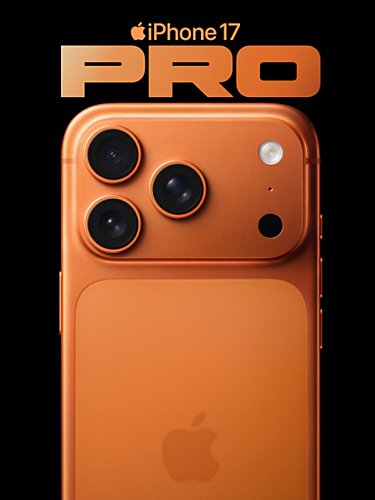
The growth is especially notable given the increasingly competitive smartphone market and the global slowdown in consumer electronics spending.
Breaking down the numbers, the iPhone 17 Pro and 17 Pro Max have outsold last year’s Pro models by around 12%, reflecting strong interest from Apple’s loyal user base that prioritizes performance and camera quality. However, it’s the base iPhone 17 that’s turning heads, showing an impressive 31% boost in demand compared to the iPhone 16. The revamped design, brighter display, and new A19 chip have made it the most appealing standard iPhone in years. Meanwhile, the newly introduced iPhone 17 Air, Apple’s answer to the former Plus line, is also performing better than its predecessor, though analysts note that Apple has been careful not to reveal exact figures for it – suggesting the model might be facing early market uncertainty.
Counterpoint attributes part of this sales surge to what it calls “COVID-19-era purchasers” – users who upgraded their iPhones during the pandemic and are now entering another upgrade cycle. These customers, having held onto their devices for several years, are now seeking better performance, longer battery life, and improved camera systems that Apple’s latest lineup delivers.
Analysts also highlight Apple’s strategy of bringing Pro-level video and chipset performance to the standard iPhone 17, which has blurred the line between the base and premium tiers. Consumers who previously avoided the Pro models due to cost now find the regular version powerful enough for most tasks. However, some users argue that Apple still needs to address battery life, noting that Chinese brands often provide higher-capacity cells at lower prices. Others continue to lament the company’s decision to abandon the compact Mini model in favor of larger and less ergonomic devices.
Even with these criticisms, the early success of the iPhone 17 lineup suggests that Apple’s blend of iterative design and incremental innovation continues to resonate. As more users transition from older iPhones and even Android devices, Apple’s strategy of refining the fundamentals – rather than reinventing the wheel – seems to be paying off.
2 comments
Deserved tbh, the video quality and chip on the 17 is nuts for a non-Pro
I switched from Samsung after 8 yrs, ngl the 17 feels smooth af