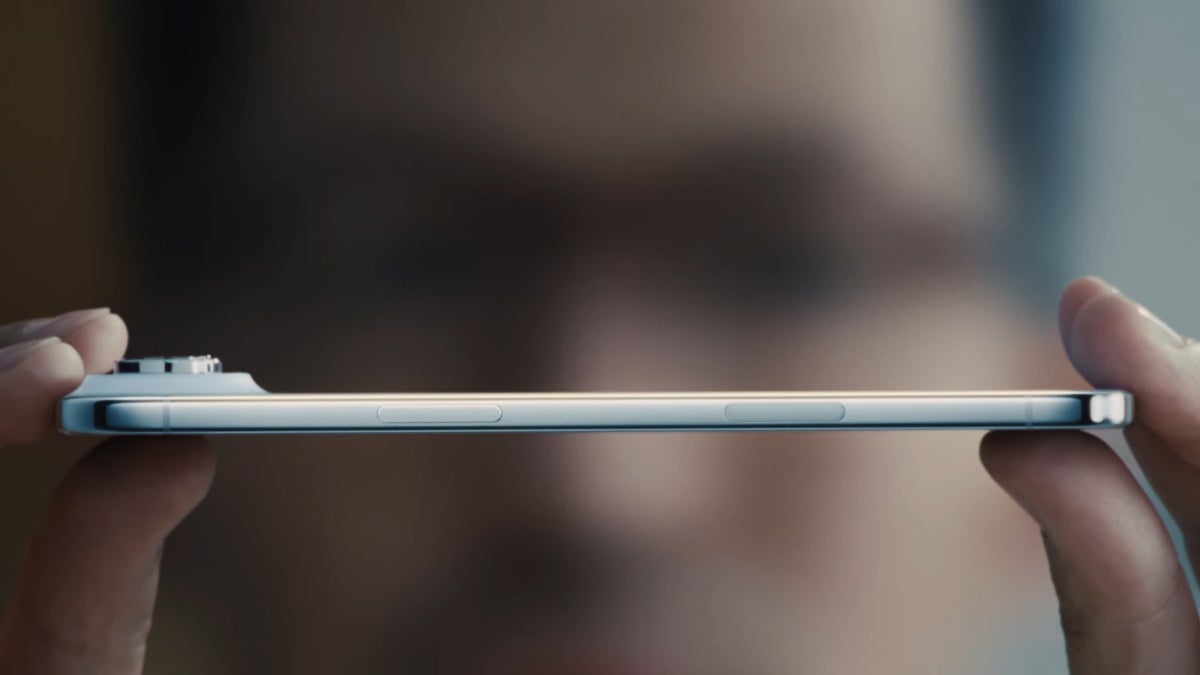
Apple’s Bold Gamble: Why the iPhone Air May Outshine the iPhone 17 Pro
After months of speculation, leaks, and mounting hype, Apple has officially unveiled the iPhone 17 lineup. As expected, the Pro and Pro Max models grabbed headlines with their enlarged camera modules and refined hardware. But the real conversation starter isn’t about megapixels or display specs – it’s about color, design identity, and a surprising move that makes the newly introduced iPhone Air stand out in ways Apple fans didn’t quite anticipate.
For years, Apple has followed a predictable formula: push the Pro models as the ultimate choice for professionals, creators, and enthusiasts, while positioning the cheaper models as compromises. With the iPhone Air, Apple is rewriting this narrative. The Air is slimmer, lighter, and cheaper than the iPhone 17 Pro, yet it shares nearly all of its core strengths: the same processor, identical RAM, ProMotion display, and smooth performance that users have come to expect. The one noticeable gap remains battery life, where the Air lags behind its Pro siblings – though Apple still markets it as having an “all day” charge. That said, in everyday use, most people may not feel the drop-off as dramatically as spec sheets suggest.
The boldest move, however, is Apple’s decision to remove the classic black color option from the iPhone 17 Pro. For many, black has always been the go-to color: sleek, professional, timeless, and, most importantly, discreet. It’s the shade you pick when you don’t want to overthink your purchase. Apple has historically toyed with variations of black – “Space Gray,” “Graphite,” or “Jet Black” – but this year the company has doubled down on pushing alternatives like Deep Blue, Silver, and Orange. Meanwhile, the iPhone Air arrives with a true black finish, instantly creating a psychological divide between the Air and Pro models.
To some, this might sound trivial. After all, many users hide their devices in protective cases, making color choices irrelevant. But Apple knows better. Color is emotional. It’s part of the identity a device projects. Removing black from the Pro lineup doesn’t just take away a shade – it nudges professionals, minimalists, and brand loyalists toward the Air. It’s a subtle yet clever strategy, one that mirrors the success of the MacBook Air. Initially dismissed as underpowered and unnecessary, the MacBook Air grew to dominate its category by being just powerful enough for most people, packaged in a design too convenient to ignore.
In the same way, Apple is positioning the iPhone Air not as a ‘budget’ option but as the smart, practical choice. With nearly identical internals, a refined design, and the black color option, it’s no longer a compromise – it’s the phone that may actually make more sense for most buyers. By contrast, the iPhone 17 Pro now feels like a device for specialists: photographers, videographers, or those who genuinely need the larger battery and advanced cooling system.
This shift raises bigger questions about Apple’s long-term strategy. Historically, the Pro models set the bar, while the cheaper models followed in their shadow. But now, the Air could become the mainstream star, exactly as its MacBook counterpart did. For Apple, this is more than a product refresh; it’s a recalibration of its entire lineup philosophy.
The irony is that Apple is making the Air more appealing by intentionally handicapping the Pro. Removing a simple color option might not sound like much, but for many consumers, it tips the balance. If you’re a business professional weighing your next purchase, what feels better? Pulling a thicker, heavier blue Pro out of your pocket, or unveiling a slim, black Air that still delivers all-day performance and costs $100 less? That small aesthetic difference could shift millions of sales.
Of course, not everyone will abandon the Pro. Its larger displays, superior cameras, and stronger endurance remain crucial for heavy users. But the idea that Apple would deliberately tilt consumer preference toward the Air suggests a new chapter in the iPhone story. The Air isn’t here to supplement the Pro. It’s here to challenge it – and maybe even replace it as the default iPhone for the majority.
Looking ahead, the Air’s main weakness – battery capacity – might vanish entirely as silicon batteries gain adoption. If Apple manages to fold this technology into future Air models, the phone could become nearly flawless for everyday users, turning the Pro into an increasingly niche device.
When considering the wider smartphone market, Apple’s move seems even sharper. Samsung’s Galaxy S25 Edge flopped despite its futuristic design, and early looks at the Galaxy S26 Ultra suggest a return to bulkier, less elegant hardware. In that context, Apple’s lightweight yet powerful iPhone Air feels like a deliberate counterattack, aimed at winning both hearts and wallets.
The iPhone 17 Pro’s Deep Blue shade may be attractive, but in the end, Apple seems to have created its own biggest rival. If you care about elegance, usability, and yes – the timeless appeal of black – the Air suddenly feels like the better choice. Apple has always been a master of design psychology, and with the iPhone 17 series, it may have just pulled off one of its boldest plays yet.