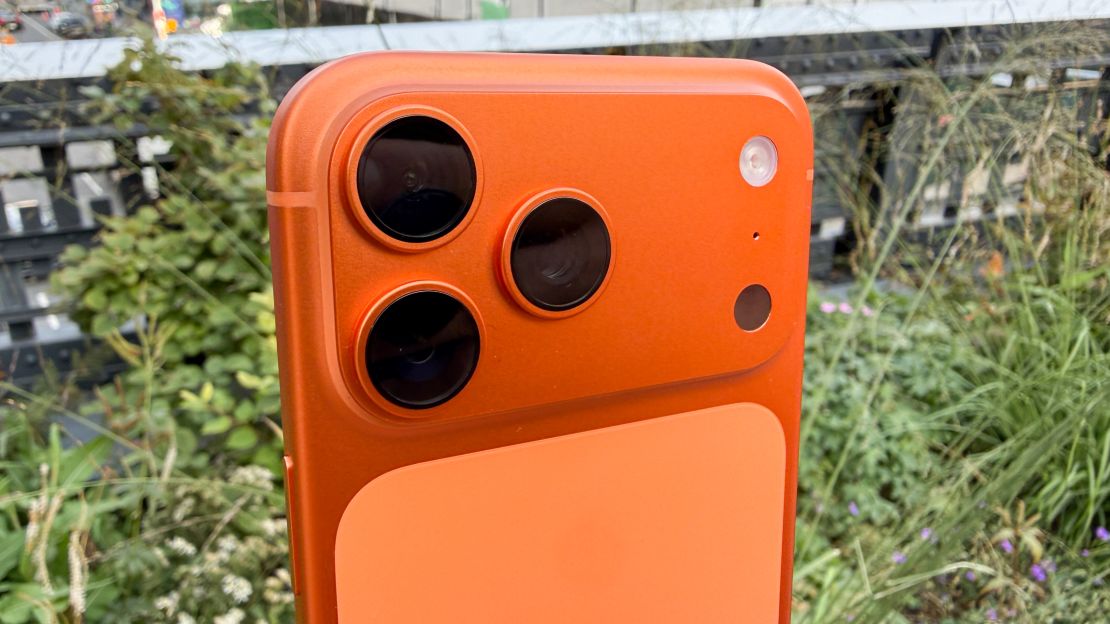
The iPhone 17 Pro’s Telephoto Camera: A Game-Changer or Just Hype?
Apple’s iPhones have long enjoyed a reputation as the benchmark in smartphone photography, with every generation promising incremental improvements in image quality, color science, and video capabilities. Yet one area consistently lagged behind: the telephoto lens. For years, it seemed Apple couldn’t quite crack the formula that made this zoom camera as versatile or as useful as its wide and ultra-wide siblings. That narrative has now shifted dramatically with the launch of the iPhone 17 Pro. The question many are asking: is the $1,099 price tag justified if you’re mainly upgrading for the new telephoto camera?
To understand the buzz, we need to rewind to the iPhone 16 Pro. Apple opted for a 5x zoom lens, marketed as the most advanced telephoto system it had ever created. On paper, it sounded impressive. In practice, it left many users puzzled. With its effective focal length around 120 mm (in 35 mm equivalent terms), it provided reach, but not the kind of versatility that everyday shooters craved. Portraits looked awkwardly tight, landscapes felt cropped, and while birdwatchers or sports fans may have appreciated the reach, the majority of iPhone photographers found the lens too niche to use regularly.
The iPhone 17 Pro flips that script with a shift from 5x down to 4x. At first glance, this may sound like a downgrade, but it’s a recalibration that changes everything. The new 4x translates to roughly 100 mm equivalent, a focal length beloved in traditional photography circles. For decades, professional photographers have used 100 mm lenses for their natural compression, flattering portrait rendering, and balance between intimacy and context. It’s the sweet spot that avoids the distorted closeness of a wide lens and the isolating tunnel vision of longer glass.
This shift means the telephoto lens is no longer a gimmick for rare occasions but a genuine everyday tool. Where the 16 Pro’s 5x sat mostly unused, the 17 Pro’s 4x finds itself employed more often, whether capturing candid portraits on vacation, isolating architectural details, or even framing cityscapes in ways that feel cinematic without being over-zoomed.
The Megapixel Revolution
Zoom isn’t the only upgrade here. Apple has paired this new focal length with a serious sensor upgrade: a 48-megapixel telephoto sensor. That’s a massive leap in resolving power compared to previous generations, and more importantly, Apple has built intelligent processing around it. Higher resolution doesn’t just mean sharper images; it unlocks new ways of shooting that mimic the flexibility of professional camera systems.
One of the most touted features is Apple’s so-called “lossless zoom.” By cropping into that 48MP sensor, the iPhone 17 Pro can deliver a crystal-clear 8x zoom, provided you’re shooting in good lighting. In practical terms, this means you can zoom twice as far as the optical lens allows without noticeable degradation. At 8x, photos still look clean, sharp, and detailed – something no iPhone could honestly claim before. Of course, push it to 40x digital zoom and the illusion breaks down into a noisy, watercolor-like image. But within the 4x and 8x sweet spot, the telephoto is a revelation.
That makes the telephoto more than just a single lens. It’s effectively two lenses in one: a 100 mm equivalent and a virtual 200 mm equivalent, with performance that competes with dedicated compact cameras. For travel photographers or anyone who doesn’t want to carry a mirrorless or DSLR setup, this iPhone finally offers a telephoto system that feels like a real substitute, not a half-baked compromise.
Why Photographers Should Care
Professional and enthusiast photographers might be the audience most excited by this change. For portrait shooters, the 100 mm perspective offers natural background compression, flattering subject proportions, and a cinematic feel that wide or ultra-wide simply can’t replicate. Landscape photographers gain the ability to capture mountain ridges, city skylines, and architectural highlights without the cramped feeling of the 16 Pro’s 120 mm framing. Street photographers will appreciate being able to step back while maintaining intimacy in their frames.
Filmmakers, too, will find new creative flexibility. The 4x/8x combination means you can frame tight close-ups or isolate characters in a scene without physically moving closer. For those experimenting with short films or documentaries shot entirely on iPhone, this lens could be transformative.
The Value Question
But here’s the dilemma: should you drop $1,099 just for this camera upgrade? For professional content creators or anyone whose income relies on their visuals, the answer may lean toward yes. This is arguably the most meaningful leap in iPhone telephoto design since Apple introduced the feature in the first place. For those who already weave iPhones into their workflows – whether for quick client shoots, social media content, or even supplemental shots alongside bigger cameras – the iPhone 17 Pro offers genuine new possibilities.
For casual users, the story is less compelling. If you’re upgrading from an iPhone 14, 15, or 16 Pro, you already own an excellent camera system. The new telephoto, while much improved, probably isn’t worth the four-figure price tag if your main use case is snapping pictures of pets, kids, or vacations. Unless you’re chasing professional-level photography results, your money may be better spent on experiences – like the trip those vacation photos would be from – rather than on the hardware itself.
Trade-in Deals Sweeten the Pot
One factor that could sway buyers is the aggressive trade-in offers from carriers. Verizon, for instance, is pushing promotions that slash the monthly price of the iPhone 17 Pro or Pro Max down to almost nothing when bundled with Unlimited Ultimate plans and eligible device trade-ins. For users already planning to upgrade, these deals can make the decision easier – though the long-term cost of carrier contracts should always be factored in.
The Bigger Picture
It’s worth noting that the iPhone 17 Pro isn’t just about the camera. Apple has introduced subtle design refinements, a brighter and more efficient display, and improved overall performance. But the headline grabber is unquestionably the telephoto upgrade, which finally makes good on the “Pro” branding in a way previous models only halfheartedly did.
In many ways, this feels like the year Apple completed its “camera trinity.” The wide lens remains the go-to for versatility, the ultra-wide adds creative context, and now the telephoto has finally earned its place as a serious, reliable tool rather than a novelty. It’s not just about numbers – 4x versus 5x, or 48 MP versus 12 MP – it’s about balance, usability, and how often users will actually find themselves reaching for the lens.
Final Verdict
The iPhone 17 Pro’s telephoto camera is a genuine leap forward. It takes a feature that once felt awkward and transforms it into one of the most compelling reasons to consider the Pro model. For photographers, videographers, and creators, it might well justify the upgrade. For everyday users, it’s a nice-to-have rather than a must-have. At the end of the day, the answer to whether it’s worth $1,099 depends less on Apple’s innovation and more on your personal relationship with photography. If your phone is your primary camera, then the 17 Pro may feel like a bargain. If it’s not, then save your cash – and maybe your vacation photos will thank you.
2 comments
im a photographer and yeah this is a big deal, 100mm is perfect
Finally Apple fixed the worst part of the camera, bout time!