Apple’s iPhone 17 lineup marks a significant milestone for the company – not only because the base model finally gets the smooth 120Hz ProMotion display, but also because Apple managed to do it without inflating the price tag. The $699 iPhone 17 now feels like a complete flagship rather than an entry-level option, and it’s not hard to see why demand has exploded, especially in key markets like China. What’s even more remarkable is how Apple pulled this off: by drastically cutting production costs where it mattered most – the display.
According to a report from Chosun citing UBI Research, the OLED panel used in the iPhone 17 is around 42 percent cheaper to manufacture compared to the ones found in the iPhone 17 Pro and iPhone 17 Pro Max. This huge cost gap has given Apple plenty of room to keep the base model affordable while still delivering a premium user experience. 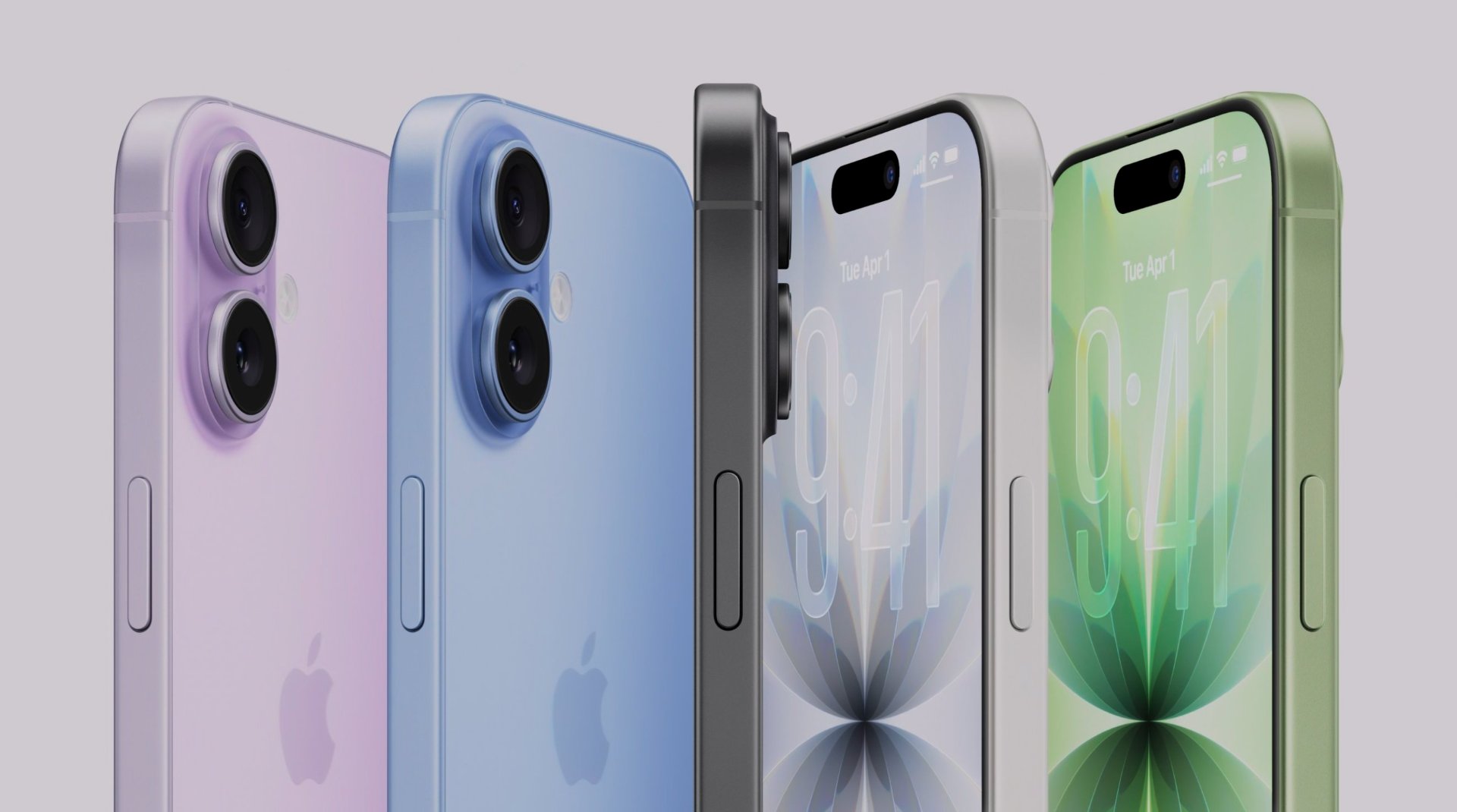
The iPhone 17’s display supply chain is currently dominated by Samsung Display and LG Display, together accounting for a massive 98 percent of total units produced. Samsung leads the charge with 57.3 million panels, representing 64.5 percent of the total supply, while LG follows closely behind with 30.3 million units, securing a 34.1 percent share.
BOE, on the other hand, remains a minor player in Apple’s ecosystem, having shipped only 1.3 million panels – a meager 1.4 percent share of the overall display market for the iPhone 17 series. This limited presence highlights how Apple continues to rely heavily on its long-term partners Samsung and LG, whose display technology and manufacturing consistency align closely with Apple’s quality demands.
Interestingly, despite Apple introducing ProMotion technology across the entire iPhone 17 range, it still pays less for the base model’s panel. The estimated cost is just $40 for the iPhone 17’s OLED, while the company spends between $60 and $70 per unit for the Pro and Pro Max displays. This price difference likely comes down to the premium models’ more complex engineering – thinner bezels, higher resolutions, and possibly more advanced display layers designed for improved energy efficiency and contrast.
All three models share similar brightness levels and HDR10 compliance, offering users a nearly identical visual experience at first glance. The iPhone 17 Pro Max, however, stands out with its higher resolution, which not only enhances sharpness but also adds to the cost of production. Manufacturing these razor-thin, high-density OLEDs is challenging, and the added complexity naturally increases the panel’s price.
Apple’s ability to balance performance, design, and cost has once again proven its mastery over supply chain strategy. By leveraging scale and optimizing partnerships with Samsung and LG, Apple managed to make the iPhone 17’s most important upgrade – ProMotion – accessible to a wider audience. The result is a device that feels premium, performs like its pricier siblings, and yet remains one of the most competitively priced flagship phones on the market today.
1 comment
China loves the base 17, not surprised tbh