Apple’s iPhone 17 lineup is making headlines not only for its polished design and new display features, but also for a dramatic change in the way charging works. 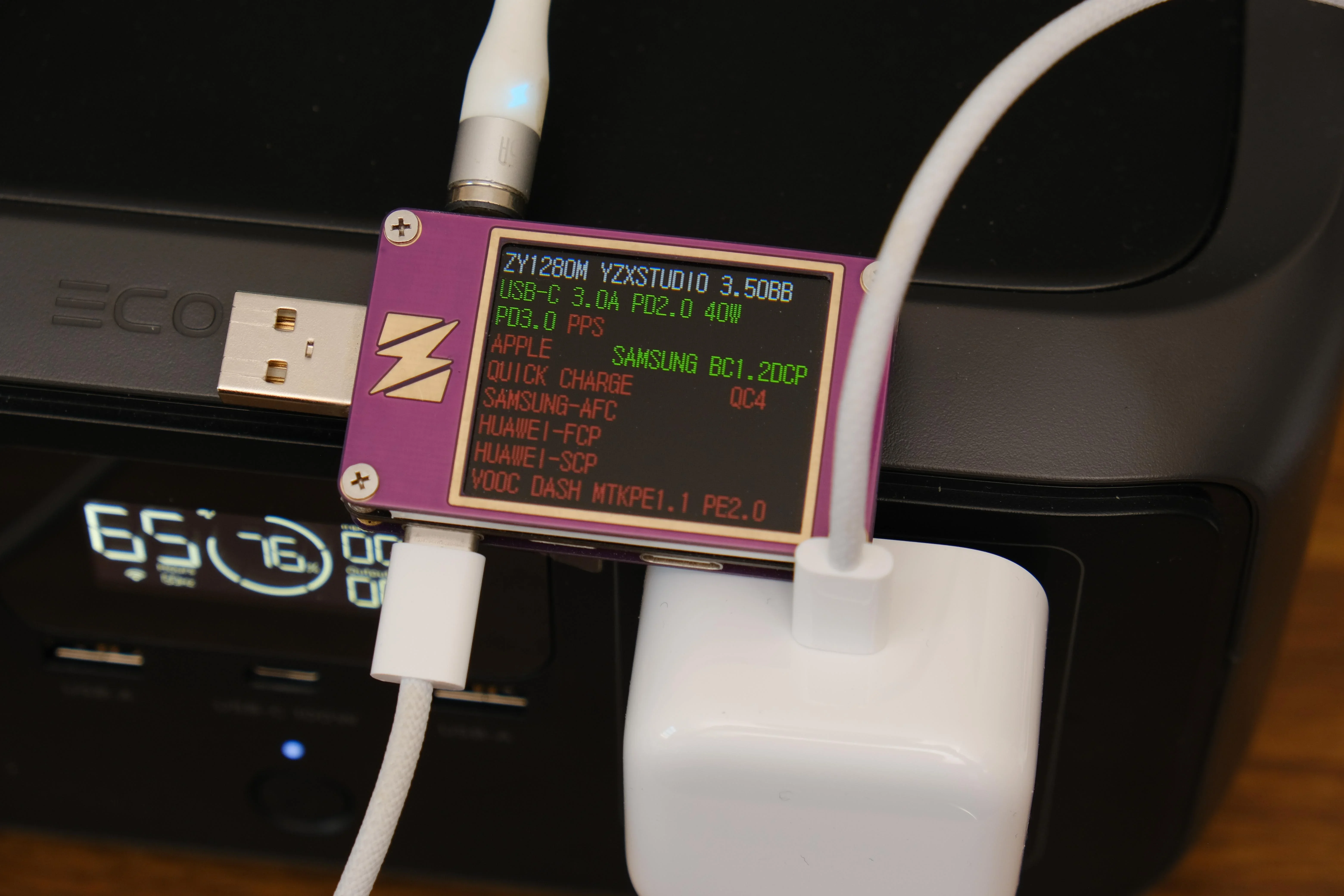
Faster charging has finally arrived for Apple’s flagship devices, but there’s a catch: to fully unlock it, you may need to buy yet another Apple accessory – the newly launched 40W Dynamic Power Adapter.
According to Apple’s own specifications, the iPhone 17, 17 Pro, and 17 Pro Max can reach 50% charge in just 20 minutes, while the more affordable iPhone Air hits the same milestone in about 30 minutes. Impressive numbers, but there’s fine print that most customers will miss at first glance. These charging speeds are only achieved when paired with Apple’s new Dynamic Power Adapter, a $39 accessory that has already sparked heated debates online.
Why this charger is different
The name may sound clunky, but Apple wasn’t exaggerating its capabilities. The adapter can reach 60W output – but only briefly. After roughly 18 minutes, it automatically reduces to 40W to avoid overheating, according to independent tests from the r/UsbCHardware community. This is not just marketing; it reflects the thermal realities of pushing that much power into a small device.
More importantly, the Dynamic Power Adapter supports the new Adjustable Voltage Supply (AVS) protocol. Unlike the older Programmable Power Supply (PPS) standard used by most third-party chargers, AVS allows far more granular voltage adjustments. This fine-tuned delivery helps maintain efficiency and keeps the battery from overheating while still charging at peak speed. Apple’s move signals an industry push toward AVS, but it also raises a big question: will older PPS chargers deliver the same fast results? Early indications suggest the answer is no.
The compatibility problem
Here’s where frustration creeps in. Apple’s charger doesn’t support PPS at all – only USB Power Delivery 3.0 and AVS. That means your expensive multi-device PPS chargers may not work optimally with the iPhone 17 series. Instead of one universal solution, Apple has once again created a walled garden, nudging users toward its own product.
By comparison, Google’s Pixel Flex Dual Port 67W USB-C Fast Charger supports AVS, PPS, and the newer USB PD 3.2 standard. It even includes two ports, making it more versatile across devices, although it costs a steeper $59.99. Still, many will see it as a better long-term investment than Apple’s single-port, single-standard approach.
The bigger picture: Apple’s strategy
Apple’s strategy has always been paradoxical. On one hand, the company is quick to normalize new standards by making them unavoidable. USB-C, for example, became mainstream on laptops in large part because Apple forced it onto the MacBook lineup years before it was widely adopted elsewhere. On the other hand, Apple is notoriously slow to bring those same standards to the iPhone, only adopting USB-C for its phones after nearly every other brand had done so.
Now with charging, Apple is pushing AVS while simultaneously frustrating users who already invested in premium PPS chargers. Some see this as unnecessary lock-in, others as Apple once again moving the industry forward – albeit in a way that benefits Apple’s bottom line.
Should you buy the new charger?
If you want the advertised charging times, yes – you’ll likely need Apple’s Dynamic Power Adapter. Using an older PPS or PD-only charger may still work, but it won’t deliver the full 20-minute-to-50% experience. For some users, the trade-off will be acceptable, especially if they already own a powerful third-party charger. For others, especially those who rely on quick top-ups during the day, the $39 may feel like a necessary evil.
There’s also a broader ecosystem angle. Because the Dynamic Power Adapter doesn’t support PPS, its usefulness outside of iPhones and some newer Apple devices is limited. That means you may still need other chargers for non-Apple gear, defeating the idea of one universal solution.
Final thoughts
Apple’s move with the iPhone 17 series is classic Apple: frustratingly restrictive yet undeniably influential. The AVS standard may indeed make charging safer and more efficient in the long run. But for now, early adopters are stuck buying yet another accessory, while rivals like Google already offer more flexible solutions. Whether this feels like innovation or inconvenience depends on where you stand on Apple’s ecosystem philosophy. One thing is clear: if you plan to take full advantage of the iPhone 17’s faster charging, you’ll probably need to budget for a new charger too.
2 comments
guess ill stick to my old charger, 30min to 50% is fine for me
lol Apple always sells us extra stuff, 39$ just to charge fast?? bruh