Apple’s iPhone 17 could mark a significant shift in the way smartphones handle connectivity. Following a trend that began with the iPhone 14, Apple is reportedly looking to eliminate the physical SIM card slot from the iPhone 17 model in more countries. This change, which began in the United States, may now extend beyond the U.S. 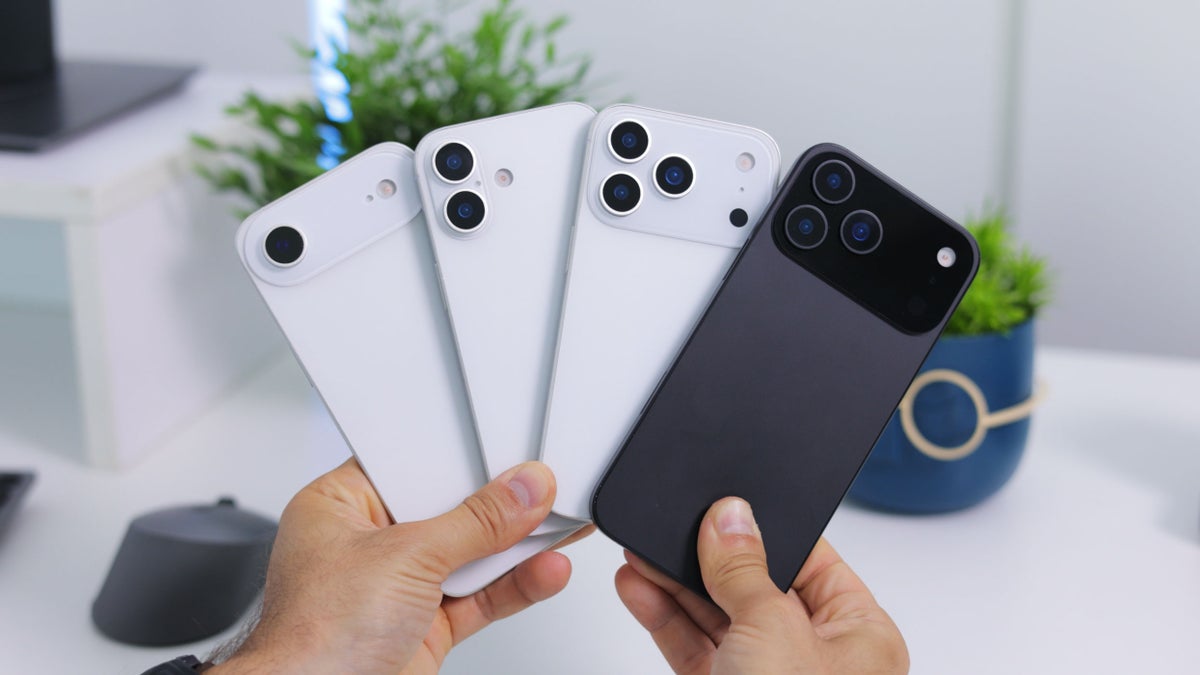
borders, particularly to regions like Europe and other international markets. The company is already leading the charge with eSIM-only models in the U.S., and now it seems they might take the next step by fully phasing out the physical SIM card tray from the iPhone lineup.
Since the release of the iPhone 14, Apple has been moving away from the traditional SIM card slot in favor of eSIM, a more modern and digital method of managing mobile connections. While this move has been exclusive to the U.S. market up until now, the company is preparing to broaden the scope of eSIM-only phones, possibly removing the physical SIM card slot from models like the iPhone 17. This development follows reports that Apple is expanding eSIM training for retail employees across the European Union, with a deadline for completion of training by September 5. This coincides with the company’s “Awe dropping.” event, scheduled for September 9, where the tech giant is expected to unveil the highly anticipated iPhone 17 series, including the iPhone 17, iPhone 17 Pro, iPhone 17 Pro Max, and a rumored iPhone 17 Air, a potentially thinner variant that might not include a SIM card slot due to its slim design.
The EU training for Apple Authorized Resellers, which is being distributed through Apple’s SEED app, could be an early sign of the changes coming to the iPhone 17 lineup. While the training has been provided to employees in Europe, the SEED app is accessible to retail employees in official Apple Stores and Authorized Resellers globally, meaning this development could have far-reaching implications beyond just Europe. Sources have hinted that this change may also affect markets like Asia, but it’s likely that countries such as China, where dual physical SIM cards are standard, will still retain the option for physical SIM support.
The rumors surrounding the iPhone 17 series, especially the iPhone 17 Air, point to Apple’s continued push toward making their phones thinner and more streamlined. There have been reports suggesting that the iPhone 17 Air might not have a physical SIM card tray due to its slim design, which could make it the first iPhone model to completely eliminate the physical SIM slot. This would make sense in the context of Apple’s move towards eSIM technology, which provides users with a more digital, flexible, and efficient way of managing mobile networks.
Despite these changes, it’s not entirely clear if Apple will completely eliminate the physical SIM card tray from all iPhone 17 models across the globe. In many regions, Apple phones still support both physical SIM cards and eSIM, allowing users to choose the method of connectivity that best suits their needs. However, in markets like China, where physical SIM support is still the standard, Apple may decide to retain the option for dual physical SIM cards. The iPhone 17 series could be a significant step toward a fully eSIM future, but it’s likely that Apple will continue to support physical SIM cards in specific regions where they remain in high demand.
The global shift toward eSIM technology is gaining momentum, with other companies like Google and Samsung following Apple’s lead. Recently, Google launched the Pixel 10 with eSIM support only in the U.S., and Samsung has included both eSIM and physical SIM support in their Galaxy S25 models. However, in some international markets, Samsung offers dual physical SIM cards, reflecting the varying needs of global consumers.
As someone who often travels internationally, I personally appreciate having both eSIM and physical SIM options. While eSIM is a convenient and sometimes cheaper option for global travelers, it’s also nice to have the flexibility to pop in a local SIM card when traveling to countries where eSIM services are less prevalent. If Apple decides to go fully eSIM-only, it could limit some of the options for international travelers who prefer the convenience of local SIM cards. However, there are already several international eSIM services available that can make this transition easier for those who are willing to embrace the digital-only future. I just hope that in my market, Apple continues to offer both eSIM and physical SIM options.
2 comments
Why not just let us choose between eSIM or SIM like before? #Confused
What if I go to a place without eSIM? Do I need to buy a new phone??