Apple’s latest lineup of smartphones – the iPhone 17, iPhone 17 Pro, iPhone 17 Pro Max, and the new iPhone Air – comes packed with all the usual boosts in processing power, camera systems, and software polish. Yet, one of the most quietly significant features wasn’t spotlighted at the official event, though it may prove life-changing for a certain group of users: the ability to completely disable PWM dimming on the display.
For years, Apple relied heavily on pulse width modulation (PWM) to control brightness levels on its OLED panels. 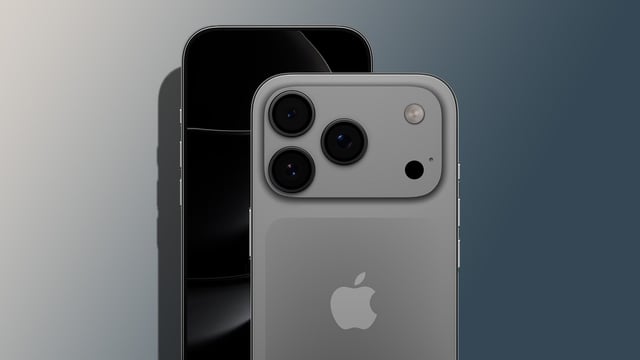
PWM rapidly turns the screen on and off at specific frequencies to simulate lower brightness. While this method is technically efficient, it has also been notorious for causing discomfort. Sensitive users have long complained about headaches, eye strain, dizziness, and fatigue – symptoms directly tied to prolonged exposure to low-frequency PWM flicker.
What makes the iPhone 17 series different is not the improvement of PWM frequencies themselves – Apple’s flicker levels remain lower than what most rivals offer – but the fact that users can now bypass the issue entirely. Hidden under Accessibility → Display Pulse Smoothing, the new toggle reads: “Disables pulse width modulation to provide a different way to dim the OLED display, which can create a smoother display output at low brightness levels. Disabling PWM may affect low brightness display performance under certain conditions.”
This is essentially Apple’s implementation of DC dimming, a technology already embraced by some Android manufacturers such as Motorola and Xiaomi. While not perfect – DC dimming can reduce color accuracy, especially noticeable in gradients – the option finally gives users control over how their display behaves. Instead of being locked into Apple’s aggressive PWM system, people can now choose what’s most comfortable for their eyes.
The bigger question is why it took Apple this long. Many Android phones have been mitigating the issue by pushing PWM frequencies higher, often above 1,920Hz or even 2,000Hz, levels at which most people no longer perceive flicker. Others, like the Xiaomi 13 Ultra or Oppo Find X6, combine both high PWM and DC dimming toggles, offering maximum flexibility. Apple, historically resistant to giving users extra toggles that might “confuse” them, seems to finally be shifting its philosophy under pressure from user complaints.
For display enthusiasts, this marks a notable shift in Apple’s hardware-software balance. By acknowledging that PWM affects a meaningful subset of users, the company is addressing long-standing criticism and positioning the iPhone 17 as a more eye-friendly device. But some argue it’s still a half-measure: why not raise PWM frequencies and add the toggle? For now, though, those who have struggled with migraines from iPhones may finally find relief – and perhaps even consider switching back to Apple after years on Android.
Whether Samsung follows suit remains to be seen. Its high-frequency PWM already performs better for sensitive eyes, but as more companies like Apple embrace dimming alternatives, industry standards may evolve. In any case, Apple’s move ensures that eye comfort is no longer just a niche discussion on forums – it’s officially part of the mainstream smartphone conversation.
1 comment
pls samsung add this too, my eyes will thank u 🙏