Apple is preparing one of its boldest design moves yet with the introduction of the iPhone 17 Air, scheduled for unveiling on September 9. The Air is rumored to replace the long-standing Plus variant and will reportedly boast the slimmest body ever created in the iPhone lineup. 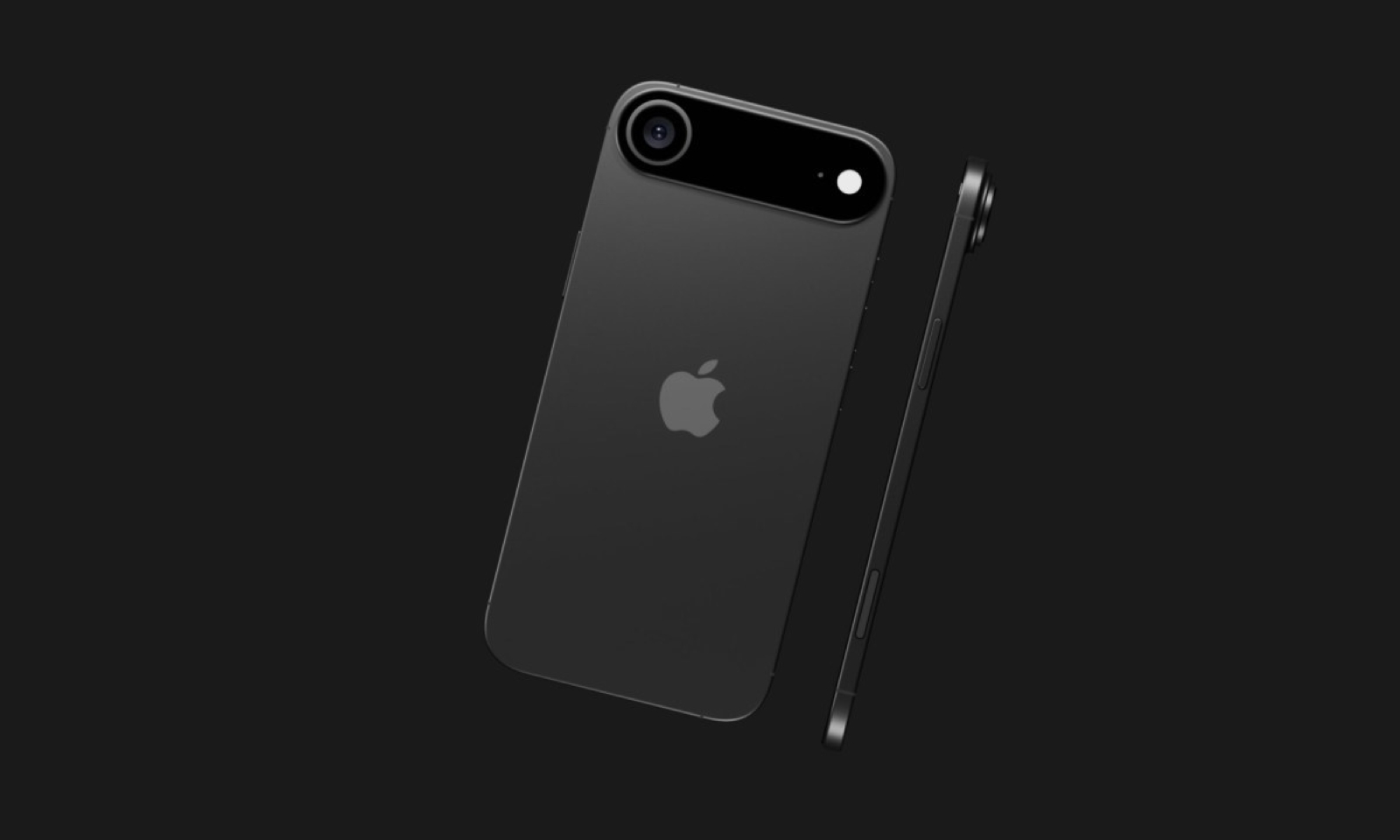
However, Apple’s pursuit of extreme thinness is raising concerns, as the sacrifices involved may overshadow the aesthetic gains.
According to the latest TrendForce report, the iPhone 17 Air is expected to start at $1,099, shipping with 256GB of storage by default. At first glance, this might sound competitive, but comparisons paint a different picture. The current iPhone 16 Pro begins at $999, includes a larger battery, and offers a superior dual-camera system. For many, paying more for a thinner phone that cuts back on core features feels difficult to justify.
The pricing structure further widens the gap: the iPhone 17 Pro is rumored to begin at $1,199, a full $200 jump from its predecessor, though it too will start with 256GB. At the top, the iPhone 17 Pro Max may debut at $1,299, leaving the Air awkwardly positioned – $300 more expensive than the entry-level iPhone 17, yet weaker in terms of hardware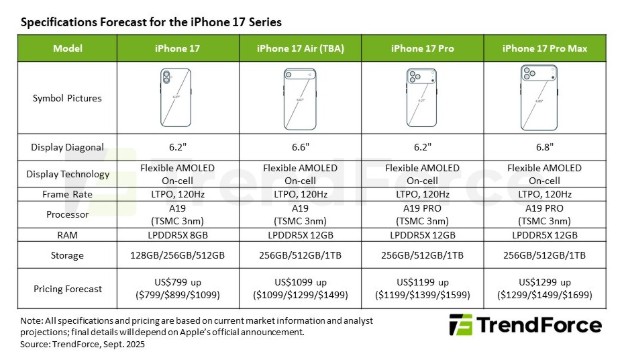
. While some analysts at Morgan Stanley believe Apple could shave $100 off the starting tag, even $999 feels steep for a phone with such visible trade-offs.
One of the most glaring limitations is the camera. Unlike the Pro models, which pack advanced multi-lens setups, the iPhone 17 Air is rumored to include just a single rear camera. Apple may lean heavily on computational photography to close the gap, but the difference between digital trickery and physical hardware remains massive. For users who value photography, this is a disappointing compromise.
Battery life is another potential deal-breaker. Reports suggest the iPhone 17 Air may include only a 2,900mAh cell – tiny by modern standards. Early internal testing allegedly showed weak screen-on endurance, to the point where Apple considered selling an attachable battery accessory. While such an accessory could help, the notion of needing a separate add-on to achieve decent battery life in a $1,000+ phone is hard for many consumers to swallow.
On the connectivity front, Apple is expected to integrate its in-house C1 5G modem, first seen in the iPhone 16e. While this move reduces reliance on third-party suppliers, the modem reportedly lacks mmWave support. Though mmWave remains a niche feature in some regions, customers paying premium prices naturally expect cutting-edge options, not limitations.
The iPhone 17 Air is clearly a product shaped by design-first decisions. Its ultra-slim body might attract buyers who crave something sleek and futuristic. Yet for power users and photographers, the single camera, small battery, and missing connectivity perks create the impression of style over substance. With so many compelling alternatives already available – including the more balanced iPhone 16 Pro at a lower price – it’s fair to say Apple’s bold gamble may not resonate with the wider market.
Some consumers are already voicing doubts, pointing out that the Air’s compromises feel out of step with what a flagship should deliver. The consensus among early reactions seems to be that while this year might feel lackluster, the real innovation could be waiting in next year’s models.