Apple’s newest software update, iOS 26, landed on September 15 with plenty of hype, but it hasn’t exactly been smooth sailing for everyone who installed it. While Apple billed this as the biggest leap forward in years – with a slick new Liquid Glass design and a heavily upgraded AI-powered Siri – the reality for many iPhone owners has been far more frustrating. Reports of faster battery drain, buggy apps, and an unfamiliar interface have led to an unusual wave of regret. 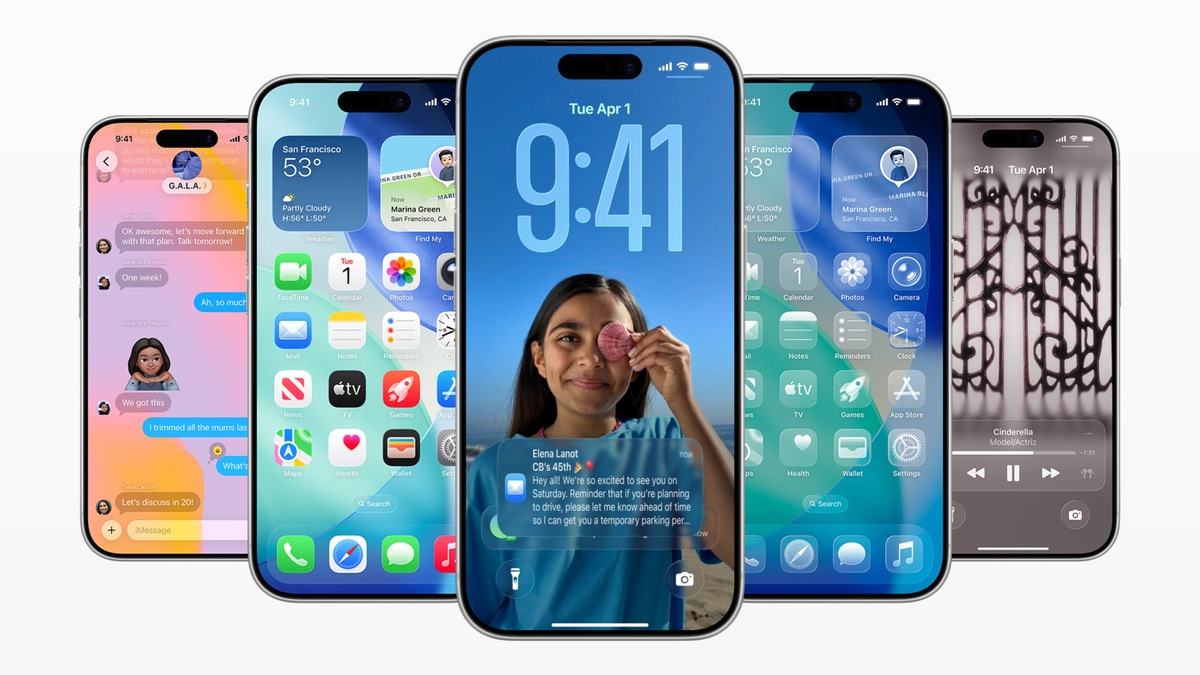
And that regret is showing up in the data.
According to recent search statistics, queries about how to roll back from iOS 26 surged dramatically in the days following launch. Searches specifically for “how to downgrade iOS 26 to 18” jumped by more than 570% week-over-week, while broader downgrade-related queries rose by more than 300%. Yes, part of this spike can be explained by the obvious – before iOS 26 came out, no one needed to ask about downgrading from it. But even with that in mind, the sheer number of people looking for ways to undo the upgrade paints a clear picture: many users aren’t happy with Apple’s new direction.
Google Trends data backs this up, showing a sharp climb in searches about downgrading iOS right after the update hit devices. Unfortunately for anyone hoping to turn back the clock, the option simply isn’t there anymore. Apple stopped signing older builds, including iOS 18.6.2, which means once you’ve crossed into iOS 26 territory, there’s no official way back. Users are stuck waiting for patches rather than returning to the version that worked better for them.
So why all the frustration? For one, battery performance appears to be a recurring complaint. Several early adopters say their iPhones now need charging two or even three times a day. Others point to app instability, with some programs crashing or failing to load properly. Then there’s the design itself. Apple’s Liquid Glass interface was meant to feel futuristic and clean, but many users find it distracting, overly glossy, and more about style than usability. Safari, in particular, has been singled out for its cluttered interface and awkward tab management. Some people dislike it so much they’ve temporarily switched to other browsers just to avoid the hassle.
But it’s not entirely doom and gloom. Alongside the frustrations, iOS 26 does bring some features that are genuinely useful. The new Preview app, for instance, is winning praise for making document handling faster on mobile. Certain visual elements of Liquid Glass also come across as fresh and modern once you spend more time with them. For users willing to push past the rough edges, there are glimpses of Apple’s bigger vision. It’s worth remembering that early versions of every major iOS release usually come with flaws that get ironed out in later updates. Apple is almost certain to roll out incremental patches addressing battery life, bugs, and performance within the coming weeks.
Still, the bigger lesson here is about expectations. Apple positioned iOS 26 as a bold new chapter for the iPhone experience, but when big promises collide with day-to-day annoyances, frustration is inevitable. This isn’t new – Android users have long experienced the same with early builds from Samsung or Google. The difference is scale: Apple has hundreds of millions of iPhones out there, and even a small percentage of dissatisfied upgraders translates into a massive surge of complaints.
For those still deciding whether to update, the cautious approach might be best: wait. If you’re not someone who craves the newest features on day one, holding back for a month usually spares you the growing pains. Apple will refine iOS 26, and the core design direction isn’t going anywhere. The Liquid Glass look, love it or hate it, is here to stay, and it’s clear Apple is betting on it as the visual foundation for the years ahead.
In the end, iOS 26 is a mixed bag. It has its flaws, some of which are hard to ignore, but it also introduces ideas that could become indispensable once polished. Early regret is loud right now, but history suggests that once the bugs are squashed and the rough design edges smoothed, many users may eventually look back at iOS 26 not as a misstep, but as the beginning of a new era in Apple’s mobile software.
3 comments
apple forcing this shiny glass vibe nobody asked for 🤦
tbh ppl overreacting, every big update has bugs
ios 26 works ok but the new look is just garbage ngl