Intel’s next big step in its mobile processor roadmap, the Panther Lake lineup, is shaping up to be one of the company’s most important launches in years. 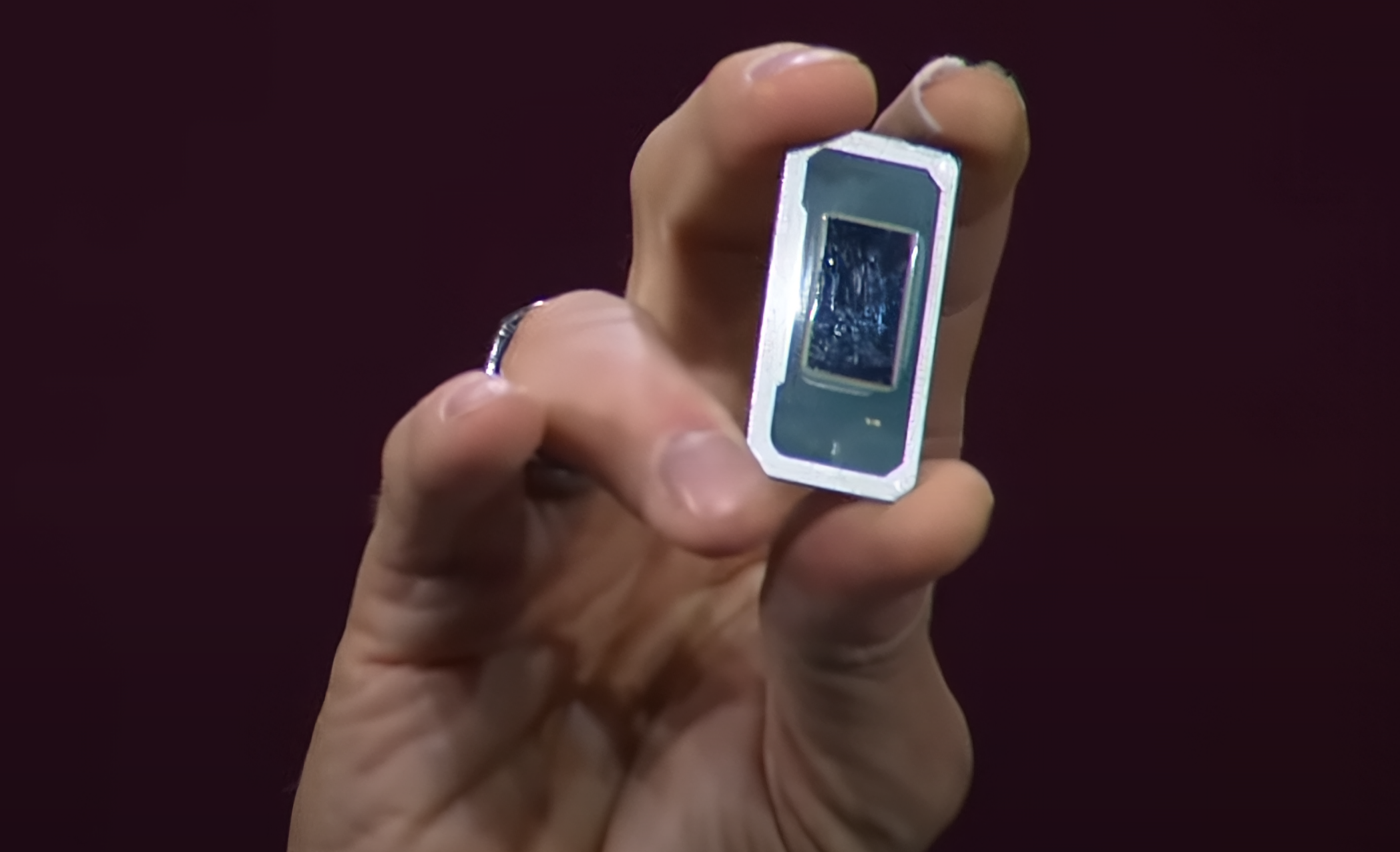
As details begin to surface, the spotlight is on its massive leap in power efficiency and performance – promising up to 30% better efficiency and 50% stronger compute performance compared to the already impressive Lunar Lake chips.
Panther Lake, slated for an early 2026 debut, is the first consumer-oriented product to adopt Intel’s cutting-edge 18A process node – a crucial step in the company’s renewed effort to reclaim dominance in both mobile and desktop segments. The 18A node is more than just another die shrink; it’s a symbol of Intel’s broader manufacturing comeback and a key part of its ambition to bolster the U.S. semiconductor industry’s independence. The technology aims to deliver higher transistor density, improved power management, and smarter resource allocation for AI and graphics-heavy workloads.
According to reports from Reuters and sources close to Intel, Panther Lake’s architecture will deliver an unprecedented balance of energy efficiency and raw processing strength. The chip reportedly consumes 30% less power while providing up to a 50% performance boost in data-intensive tasks. This improvement spans across its CPU and GPU cores, as well as integrated AI acceleration blocks – a triad of performance engines that reflect Intel’s shift toward hybrid, AI-optimized computing.
For a company that’s been under heavy pressure from AMD and NVIDIA, Panther Lake represents a possible turning point. AMD has maintained a strong foothold in the gaming and mobile segments, but Intel’s new design philosophy – focusing on sustained efficiency rather than sheer clock speed – could give Team Blue the upper hand in long-term performance-per-watt leadership. Some analysts speculate that this could be the generation that finally brings Intel’s mobile chips back into laptops that prioritize both power and battery endurance, rather than forcing users to pick one over the other.
Early internal demos, discussed during Intel’s Tech Tour, reportedly show Panther Lake handling mixed workloads – from AI-assisted photo editing to gaming – with smoother transitions and lower thermals than its predecessor. While official benchmarks remain under wraps, the early indications suggest Intel is serious about competing not only with AMD’s Zen 5 mobile lineup but also with ARM-based and NVIDIA-integrated SoCs likely to flood the market in 2026.
Tomorrow’s anticipated Intel Tech Tour update is expected to unveil the first official look at Panther Lake, alongside Clearwater Forest for data centers. If Intel can truly deliver on these efficiency claims, it may not just be a comeback – it could be the start of a new performance standard across the PC ecosystem.
1 comment
we heard the same hype with Arrow Lake… hope this time it actually works