Intel’s 18A semiconductor process is stirring up excitement in the tech world, generating massive optimism, especially with reports indicating that Microsoft is likely to adopt the process for its upcoming projects. This newfound optimism follows the unveiling of the 18A process, which promises significant performance and technological advancements. 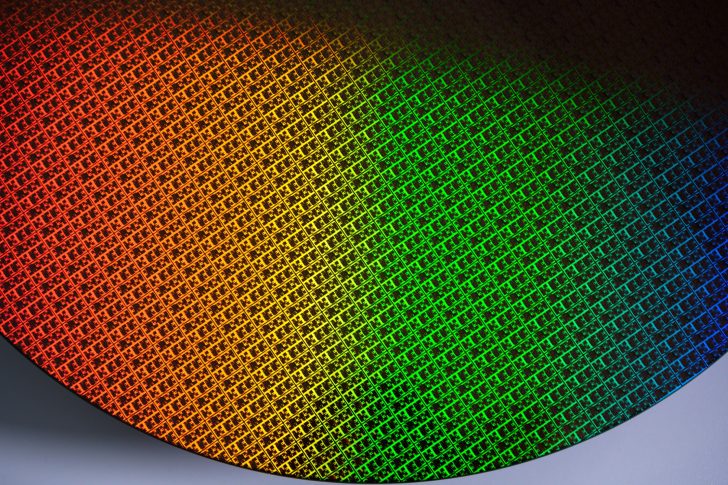
However, the road to widespread adoption may not be as straightforward as it seems.
One of the major factors driving this excitement is the perception of Intel’s 18A node. Initially, Intel’s focus was largely on its 14A process, and the 18A was primarily intended for in-house use, powering Intel’s own chips like Panther Lake and Clearwater Forest. As a result, rumors about its adoption by external tech giants should be approached with caution. Still, the reception has been overwhelmingly positive, with Microsoft emerging as a key player in the adoption of this cutting-edge technology.
Microsoft’s interest in Intel’s 18A process dates back to the Gelsinger era, where it was reported that the company had already begun sampling chips based on this technology. The rumors now suggest that Microsoft will leverage the 18A process for its next-generation Maia 2 AI accelerators, with specific 18A/18A-P variants expected to be used depending on the final chip design. These developments suggest that Microsoft is not just dabbling in Intel’s 18A, but is instead positioning it as a cornerstone for its AI-focused initiatives.
Intel’s 18A process holds significant promise for transforming industries through its unmatched performance and quality. Microsoft’s CEO Satya Nadella emphasized this potential, particularly in the context of the company’s need for reliable, high-performance semiconductors to drive the future of productivity across industries. Nadella remarked, “We are excited to work with Intel Foundry, and we have chosen a chip design that we plan to produce on Intel 18A process,” underscoring the company’s commitment to this groundbreaking technology.
However, it’s important to note that Microsoft’s commitment to Intel’s 18A is not new information. What has changed is the specific use case: the Maia 2 AI platform, which is still shrouded in some uncertainty regarding its exact configuration and features. While the broader tech community had speculated about 18A adoption, Microsoft’s role as a potential first major customer was already clear from previous reports, but now, the focus is on how these chips will serve the growing needs of AI-driven applications.
As we look beyond Microsoft, the landscape for Intel’s 18A adoption becomes more intriguing. Rumors have surfaced indicating interest from other major tech players such as NVIDIA, Broadcom, ARM, and Apple, all of whom are said to be evaluating the 18A process. These companies represent a mix of chip design, networking, and cloud technologies, all of which could benefit from the advanced performance capabilities of Intel’s 18A node. However, some of these companies have already had mixed experiences with Intel’s foundry services. For instance, Broadcom was initially intrigued by 18A but reportedly dropped its pursuit after concerns about the process’s yield rates.
The yield rates have been a critical factor in Intel’s foundry strategy. With 18A’s defect density reportedly reaching an all-time low, Intel has made significant strides in addressing past concerns, and this may cause companies like Broadcom to reconsider their decisions. The reduction in defects has been a key development for Intel, as it could signal that the company is on the right path to making its foundry services more competitive in the global market.
Ultimately, the success of Intel’s 18A process will depend on the external adoption it receives. Intel’s Foundry Services (IFS) desperately need new customers to fuel its growth, and the wider adoption of 18A is a pivotal part of that strategy. If companies like Microsoft and others make the move toward Intel’s 18A, it would not only benefit Intel in the short term but also pave the way for future innovations, including the 14A node, which is expected to further enhance semiconductor capabilities.
The industry’s eyes are now on how other tech giants will respond to the 18A process. As Intel continues to push for wider adoption, it must prove that the 18A node can deliver on its promises of high-performance, low defect density, and scalability. The coming months and years will reveal whether Intel’s gamble on its cutting-edge foundry technology will pay off.