Intel is quietly setting up one of the biggest tests in its modern history: proving that its manufacturing arm can truly compete as a global foundry. The company’s upcoming 14A process node is not just another shrink on the roadmap; it is being positioned as a customer-first platform that must attract outside chip designers, even if doing so forces Intel to spend heavily long before a single dollar of foundry revenue shows up on the income statement.
At the 2025 RBC Capital Markets conference, Intel executive John Pitzer underlined that Intel Foundry Services is now being run as an externally oriented business rather than simply a captive factory for Intel’s own CPUs and GPUs. 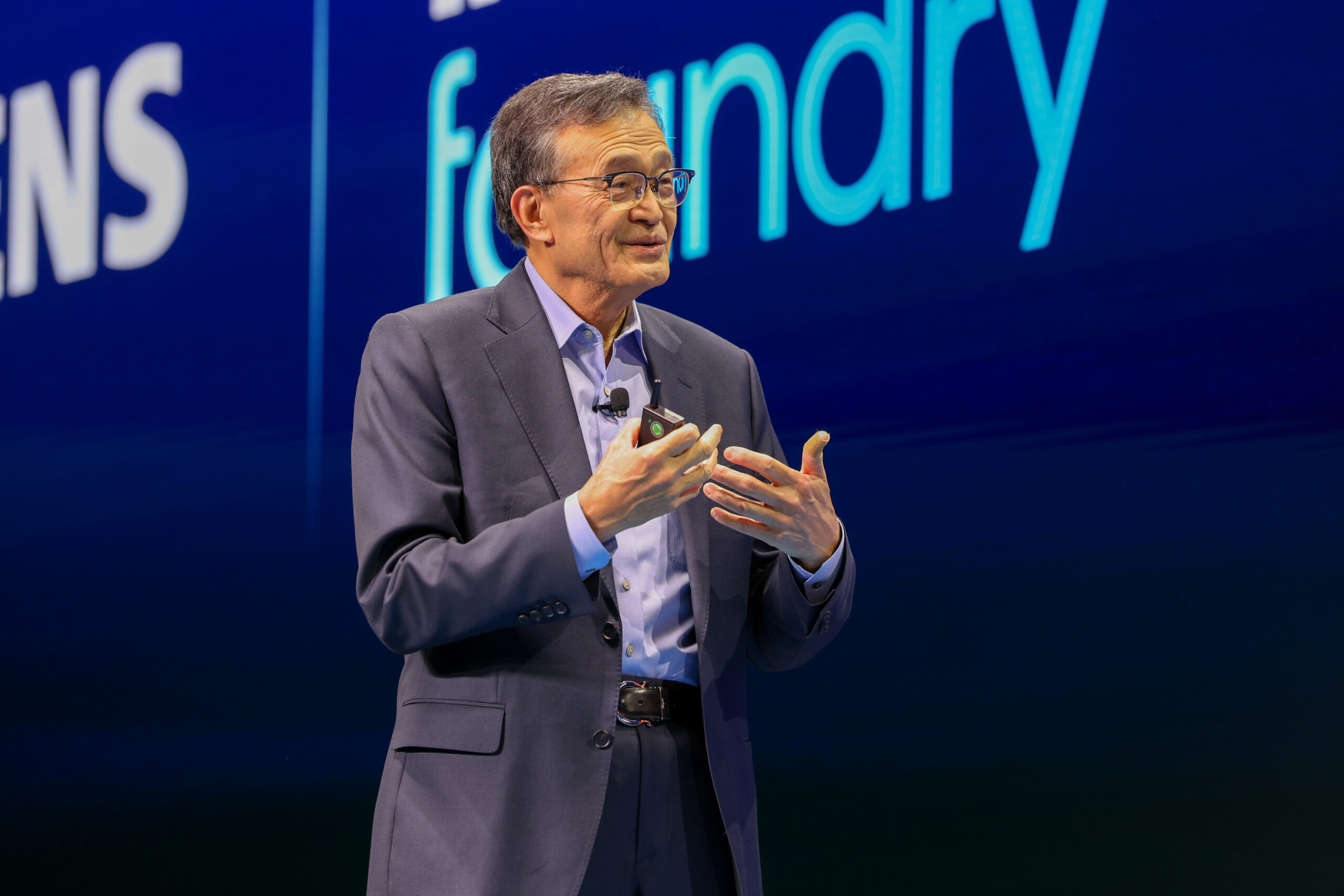
The company already touts its 18A node as the most advanced process currently in high volume production on US soil, powering upcoming products such as Panther Lake and Clearwater Forest. But 18A is still largely tied to Intel’s internal roadmap. The real pivot to a pure-play foundry style model comes with 14A, where the priority from day one is winning third party designs.
14A as an external customer platform
According to Intel, early feedback from process design kit sampling suggests that there is genuine interest in 14A from potential customers. PDKs are the toolkits chip designers use to evaluate a node in advance, and the level of engagement there often foreshadows how many real tape-outs will eventually land. If that interest turns into firm commitments, Intel will have to scale capacity for 14A aggressively, growing US based leading edge manufacturing at a time when governments and corporate buyers alike are desperate for alternatives to overseas suppliers.
That scaling, however, does not come cheap. Pitzer warned that every major 14A customer win will force Intel to layer on capital and operating expenses well ahead of the revenue curve. In practical terms, that means building and equipping more cleanroom space, qualifying production lines, and hiring talent long before wafers are flowing at profitable volumes. Internally, Intel now expects that if 14A really does gain traction as an external node, the breakeven timeline for the foundry business could slip out toward the end of 2027 instead of arriving earlier.
A deliberate shift away from blank checks
One recurring theme in Intel’s messaging is a discipline around how quickly it opens the spending taps. Management has talked about a no blank check philosophy: the company wants clear demand signals and committed customers before it ramps capital expenditure to the maximum. In other words, Intel is trying to thread a needle between two bad outcomes. On one side lies the risk of building too much capacity too early and saddling the business with underutilized fabs. On the other side lies the classic foundry chicken and egg problem, where customers hesitate to trust a node that is not yet proven in high volume, while the manufacturer hesitates to invest until those very customers sign up.
That tension shows up in market skepticism. Some observers argue that if Intel insists on customer commitments before really leaning into investment, while customers insist on a fully proven, high yielding node before they commit, neither side will blink and 14A will stall. Others see the situation differently: if Intel can sign just a handful of credible flagship designs, perhaps tied to future platforms like its Celestial data center products, that could be enough to justify the next wave of build out and convince more cautious clients to follow.
Subsidies, strategy and taxpayer anxiety
The 14A story is also wrapped up in broader political and economic debates. The United States is pouring billions into semiconductor incentives to reduce dependence on offshore manufacturing, and Intel is one of the primary beneficiaries. Supporters see this as a strategic investment, arguing that advanced logic fabs are the modern equivalent of critical defense infrastructure and that companies like Intel are now part of national security planning. In that framing, higher near term capex and a later breakeven are simply the price of regaining leadership in a technology that underpins everything from cloud computing to weapons systems.
Critics, however, hear talk about 14A driving breakeven past 2027 and translate it into a more cynical narrative: yet another call for more taxpayer funded support, more subsidies, and more patience while shareholders and executives reap the upside if things go well. In online discussions around Intel Foundry, you can see both extremes, from people joking that semiconductors are the new bullets and Intel should be treated like a strategic arsenal, to others insisting that the economics of IFS will never add up and that any promised breakeven date is wishful thinking.
Racing TSMC and Samsung to prove credibility
Beneath the noise, the core question is simple: can Intel convince a meaningful number of high end chip designers that 14A will offer competitive performance, power and cost versus TSMC and Samsung at roughly the same time frame? Pitzer’s suggestion that investors might accept a breakeven delay if it is caused by real customer wins is telling. For many shareholders, the nightmare scenario is not spending more or waiting longer; it is spending heavily without ever turning Intel into a credible alternative to the incumbents. If 14A launches with a slate of serious external designs, even at the expense of pushing profitability out by a year, that would be powerful evidence that Intel Foundry is finally in the race.
For now, investors, competitors and customers are all watching the same set of signals: how much capital Intel is willing to deploy, how quickly it moves from PDK interest to signed wafer agreements, and whether it can demonstrate high volume yields on schedule. The company’s 18A node may be the current technical showcase, but 14A is shaping up to be the real referendum on Intel’s foundry ambitions. If the node lands major external wins and the breakeven slide to 2027 or beyond is truly driven by growth rather than disappointment, the narrative around Intel Foundry Services could flip from skepticism to validation. If not, critics who doubt that IFS will ever cross into sustainable profitability will only grow louder.