HyperOS 3 rollout for Poco phones: full schedule, new features, and early user reactions
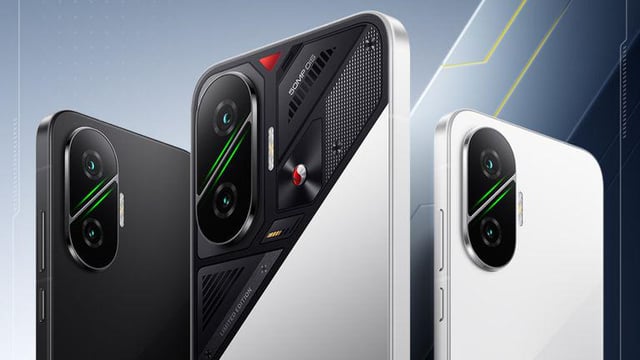
Alongside the global launch of the Poco F8 series in Bali, Poco finally detailed how and when its existing phones will move to HyperOS 3. The new Poco F8 Pro and Poco F8 Ultra 5G come with the refreshed software pre-installed, but a long list of older Poco phones, tablets, and budget models are also scheduled to make the jump over the coming months.
The brand is taking a phased approach. First in line are the Poco F7 family and the Poco X7 lineup, which are slated to receive HyperOS 3 by the end of this month. Poco has already begun seeding the build to the Poco F7 Ultra in select regions, so if you own that model you may see the update notification at any moment. This first wave targets power users who are typically most eager to test new features and report problems quickly.
The second wave will follow in December. During that window, the Poco F6 series, Poco X6 Pro, Poco M7, the broader Poco M6 lineup, and the affordable Poco C75 are planned to move to HyperOS 3. That group spans everything from upper-midrange to entry-level devices, signalling Poco’s intent to unify the experience across its catalog instead of limiting new software to a few flagships.
The remaining devices will be updated between December and March 2026. That final batch includes the Poco F5 series, the standard Poco X6, the Poco M7 Pro 5G, the Poco C85, plus the company’s tablets: the Poco Pad, Poco Pad X1, and Pad M1. In other words, if you bought a recent mid-range Poco phone or one of the newer pads, you are almost certainly on the roadmap for HyperOS 3, even if you need to wait a little longer.
For buyers considering an upgrade instead of waiting, the Xiaomi Poco F8 Ultra 5G ships with HyperOS 3 out of the box. In many European markets, the 12GB/256GB variant hovers around €700 or £550, while the 16GB/512GB configuration sits closer to €750 or £600 depending on retailer offers. Poco continues to work with affiliate and online partners, so prices may fluctuate during sales and regional promotions.
What HyperOS 3 actually changes
HyperOS 3 is not just a fresh coat of paint. The interface has been tightened up with smoother animations, faster transitions, and a cleaner overall look, especially in the notification shade and quick toggles. One of the headline additions is the new Hyper Island feature, which turns the area around the front camera cutout into a small, animated hub for notifications, charging status, and ongoing activities, similar in spirit to a mini status bar that lives inside the punch-hole.
Poco is also leaning hard into on-device intelligence. HyperOS 3 introduces several new AI-assisted tools and upgrades, from smarter text suggestions to context-aware features in system apps. The company claims these additions are optimized to run efficiently, though some users worry that more AI inevitably means more background activity and potential battery drain. As always, the real-world impact will depend on how aggressively you use those tools and how well Poco tunes them for each chipset.
Early user impressions: cleaner software, smoother performance
Owners of the Poco F7 series are already sharing their experiences with the update, and the first wave of feedback is largely positive. Several users report that the system feels faster and noticeably smoother than before, describing HyperOS 3 as an evolution rather than a complete overhaul. Animations are more consistent, and the interface stays responsive even with multiple apps in memory.
Concerns about bloatware have also calmed down compared to older Poco releases. One early adopter notes that the global HyperOS 3 build on their F7 only came with a handful of pre-installed games, most of which can be uninstalled in seconds, plus a few system utilities such as the clock that are better left alone. Those core apps have minimal impact on performance or battery life, and the overall feel is much cleaner than the heavily loaded setups some users remember from previous generations.
That said, there is still debate around hidden “System” apps and the long-term cost of all the added AI features. Some power users advise digging into the settings to see exactly what is running in the background, especially if you are sensitive to battery drain or data collection. Others are more frustrated that Poco is pushing a big interface update to devices that may never see a major Android version bump like Android 16, arguing that it is easier for manufacturers to refresh their skins than to certify full platform upgrades.
Should you install HyperOS 3 on your Poco device?
If your Poco phone or tablet is on the official rollout list, HyperOS 3 looks like a worthwhile upgrade for most people. You get a fresher interface, smoother performance, the playful Hyper Island notification bubble around the camera cutout, and a growing toolbox of AI-powered tricks, all without having to buy a brand-new device. As with any major update, it is still smart to back up your data and maybe wait a few days after release to see whether serious bugs are reported for your specific model.
For now, though, the signs are encouraging. Poco’s decision to roll HyperOS 3 out widely – from the flagship F8 Ultra 5G down to entry-level C-series phones and even pads – suggests the company is serious about keeping its ecosystem visually consistent and feature-rich. Whether or not Android 16 ever arrives on your particular Poco, HyperOS 3 ensures the software experience will feel modern for at least another generation.
3 comments
Got HyperOS 3 on my F7 today and damn, it’s way smoother than before. Animations finally don’t stutter all the time 😅
I still don’t get why they push HyperOS 3 to phones that prob never see Android 16. Skin upgrade without OS upgrade feels kinda cheap tbh
On my F7 the update is fast and fluid but battery life is the same so far, no miracle there 🤷