China’s homegrown Hygon C86 processor line is quickly turning into one of the most interesting x86 stories of the year. The latest leak points to a 16 core, 32 thread C86 model that can reportedly boost up to 3.0 GHz while staying inside a modest 95 W TDP envelope. 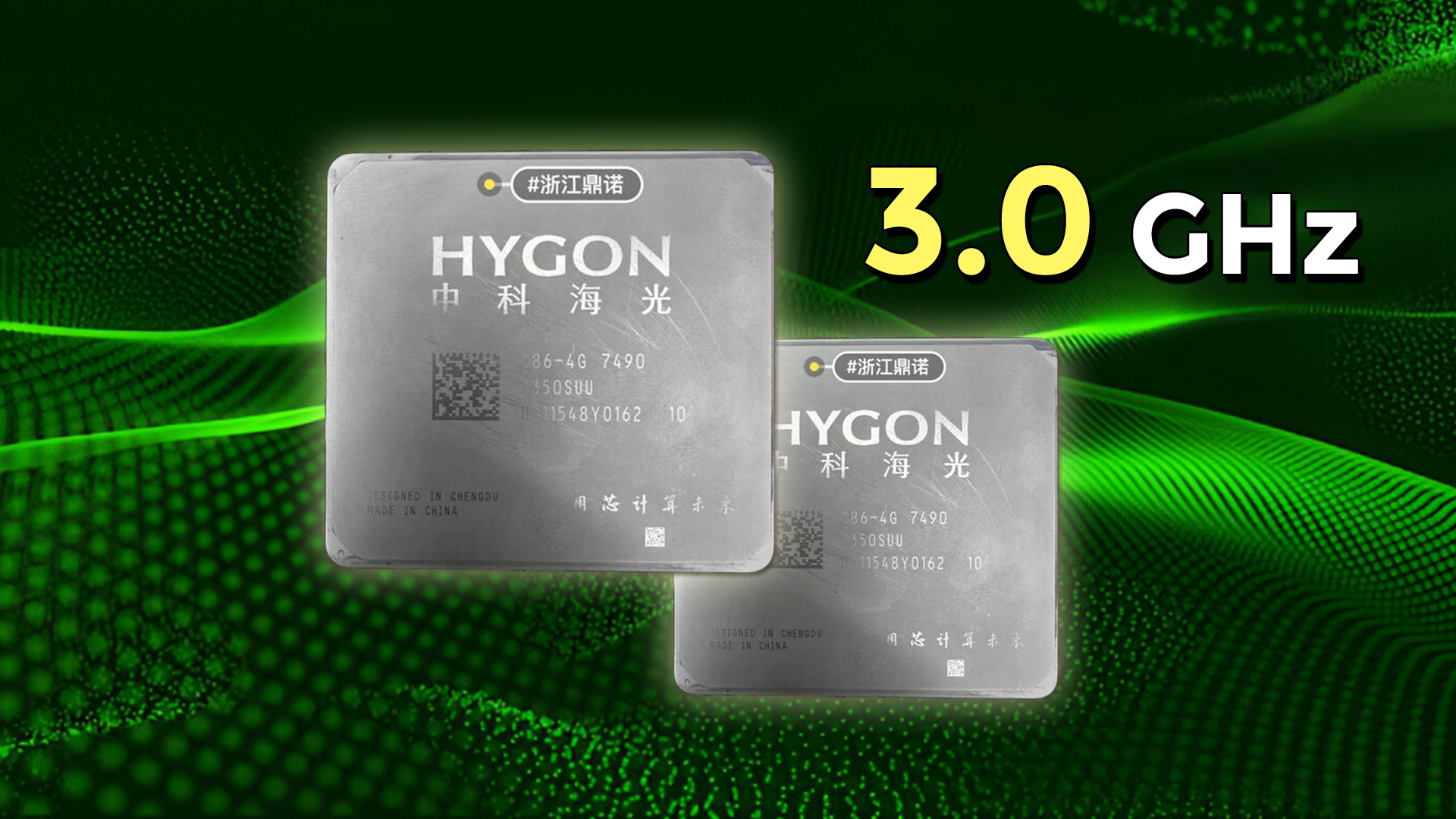
On paper, that gives this domestic chip multi threaded performance in the same ballpark as Intel’s 13th gen Core i7 parts in heavy workloads, even if it still trails the big Western vendors in raw clock speeds and per core punch.
From Thunderobot desktops to headline leaks
The wider tech world first noticed this C86 silicon inside prebuilt Thunderobot gaming desktops aimed at the Chinese market. Benchmark screenshots shared at the time suggested that in multi threaded tests the Hygon CPU could hang surprisingly close to Raptor Lake Core i7 SKUs, a result that raised plenty of eyebrows given how young China’s independent x86 ecosystem still is. Single threaded scores were less flattering, but they also showed how quickly local designs are evolving from basic office hardware into something that can credibly power gaming and content creation rigs.
More details have since surfaced through Chinese social media leakers such as the account known as realVictor_M. According to those reports, the 16 core C86 variant carries 32 MB of shared L3 cache, support for DDR5 memory and PCIe 5.0 connectivity, putting its platform features in the same modern league as current AMD and Intel offerings. The chip was previously spotted running at around 2.8 GHz in shipping Thunderobot systems, so the suggested 3.0 GHz maximum boost clock fits neatly with what system integrators are already selling today.
Power, thermals and real world positioning
Where Hygon seems to be playing its own game is the power envelope. A 16 core, 32 thread desktop CPU rated at just 95 W is extremely conservative by today’s standards, when many enthusiast class processors happily pull 200 W or more under full load. If the leaked TDP is accurate and not just a marketing figure, it means the C86 can deliver respectable multi core throughput without needing oversized coolers or server grade power delivery. That combination immediately makes it attractive for compact desktops, small form factor gaming PCs and quieter workstations that do not want a space heater under the desk.
From a system builder’s perspective, what matters most is the overall balance of performance, power, platform and price. A 95 W, 16 core chip with DDR5 and PCIe 5.0 that can roughly track a Core i7 in multi threaded workloads is a compelling base for productivity focused desktops, office workhorses and gaming PCs that prioritise stable frame times over chasing the absolute highest numbers. The lower TDP helps OEMs simplify chassis and cooling design, which can translate into more affordable systems for buyers who do not need a 250 W hot rod processor on their desk.
Single threaded weakness and community reaction
There are still important caveats. Enthusiasts who dug through the early benchmarks pointed out that the single threaded IPC looks roughly comparable to AMD’s first generation Zen cores, despite Hygon reportedly having access to that IP for more than seven years. In practical terms, this means that lightly threaded workloads, high refresh rate gaming and certain latency sensitive tasks will still favour newer Zen 3, Zen 4 and Intel Raptor Lake designs. The C86’s strength today is clearly in multi threaded, throughput heavy scenarios rather than in delivering the fastest possible frame rates.
That has not stopped the online banter. In tech forums and comment sections, some users are already claiming that Intel finally has a real challenger on its hands inside China, while others fire back that both major Western vendors are still comfortably ahead once you look beyond synthetic multi core charts. There is also a political angle: critics love to remind everyone that Hygon’s lineage goes back to controversial x86 licensing deals and argue that progress has been slower than it should have been given that head start. Supporters, on the other hand, see the C86 as proof that China is steadily reducing its dependence on foreign CPU vendors and building a more resilient local supply chain.
Implications for the global CPU race
It is also telling that brands like Thunderobot are willing to ship full gaming systems around Hygon silicon instead of defaulting to Intel or AMD. Integrators do not walk away from mature platforms lightly; if they are betting on the C86, it suggests that drivers, BIOS support and overall platform stability are already good enough for mainstream customers. For a domestic Chinese CPU that only recently started showing up in consumer focused products, that is a significant vote of confidence and a hint of where future product stacks might go.
Still, anyone expecting an overnight Intel killer will end up disappointed. The real story here is incremental but meaningful progress. Closing the gap in single threaded IPC, pushing clock speeds higher without sacrificing efficiency and scaling the architecture across laptops and servers are all challenges that Hygon still has to tackle. Yet every generation that creeps closer to modern Zen and Core designs gives Chinese OEMs more leverage in negotiations and more options in a market increasingly shaped by export controls and supply chain politics.
For now, the Hygon C86 looks like an intriguing mid range x86 alternative rather than a top end game changer. It delivers surprisingly strong multi threaded performance for a 95 W 16 core part, wraps it in a thoroughly modern platform and shows that China’s domestic CPU efforts are no longer confined to niche government or enterprise deployments. If the leaks prove accurate and pricing turns out to be aggressive, Intel and AMD will not suddenly find themselves bankrupt, as some trolls like to tease, but they will definitely have one more serious rival to keep an eye on in the world’s largest PC market.