Huawei’s financial results for the first half of 2025 are a study in paradox: record-breaking revenue, yet a steep fall in profit. The Chinese tech giant brought in 427 billion yuan (around $59.8 billion) between January and June, its strongest performance since 2020. 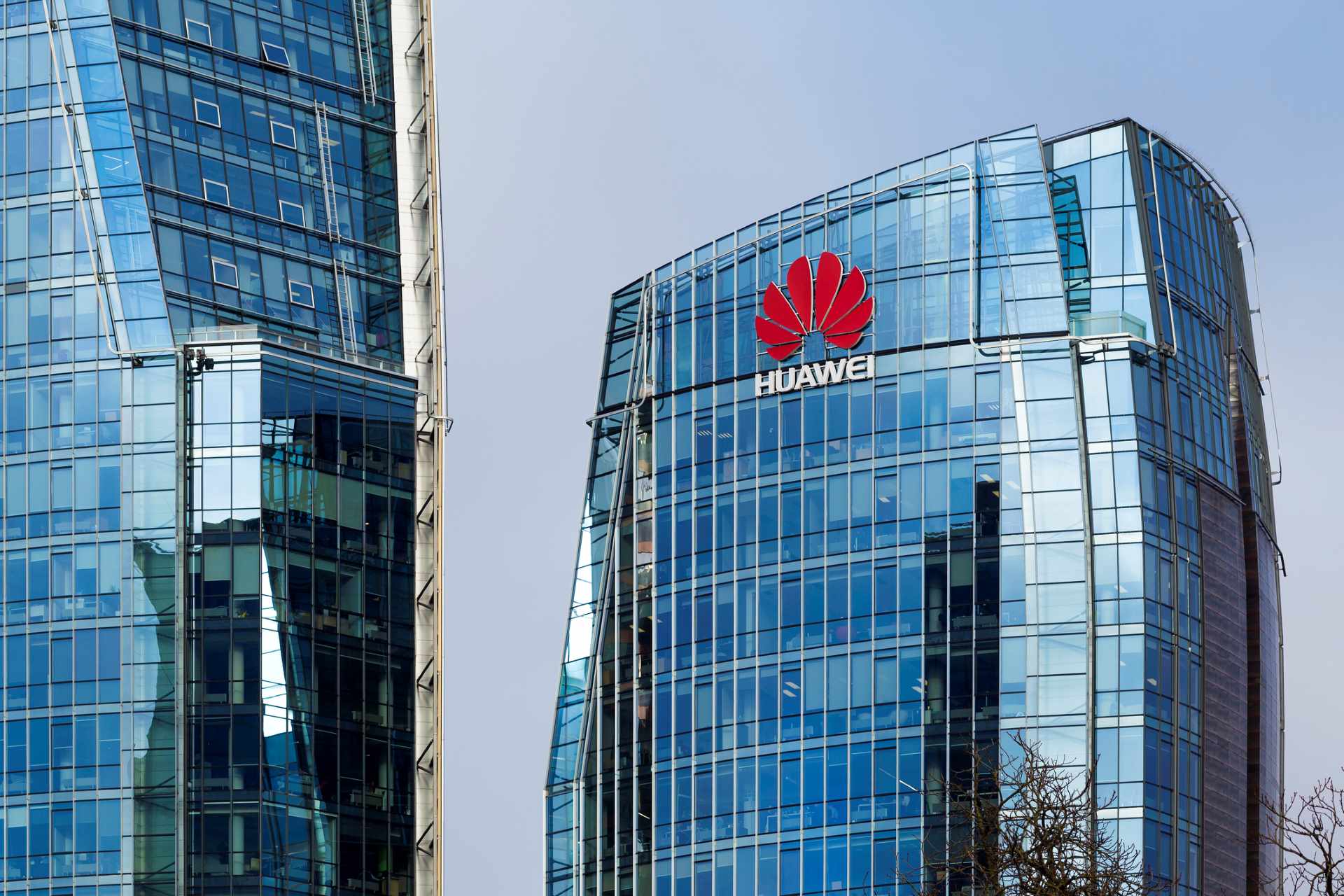
But profits slipped 32% year-over-year to 37 billion yuan ($5.17 billion), as the company poured unprecedented sums into research and development.
The backdrop is well known. U.S. sanctions, imposed in 2020, cut Huawei off from vital technologies just as it was poised to surpass Samsung in global smartphone sales. Instead of retreating, Huawei chose to double down on self-reliance – funding chip design, networking equipment, and new hardware despite limited access to advanced EUV tools. This strategy has safeguarded its long-term survival, but short-term margins have suffered. R&D spending in H1 2025 hit nearly 97 billion yuan ($13.6 billion), up from 88.9 billion yuan a year prior.
Huawei’s gamble is visible in its flagship Mate 60 series, powered by the homegrown Kirin 9000S chip produced by SMIC on its 7nm process. The launch ignited heated debate across the tech industry, with U.S. officials claiming that the company skirted trade rules to advance its silicon capabilities. With SMIC still capped at 7nm and no access to state-of-the-art EUV machines, Huawei’s innovation ceiling remains in question. Yet local partners like SiCarrier are already working on custom EUV alternatives – an effort that, if successful, could reduce China’s dependency on Western suppliers and potentially shift the balance of power in the global semiconductor race.
Huawei’s story is no longer just about survival; it’s about whether massive investment can secure technological independence in the face of geopolitical headwinds. For now, the company has proven it can still generate billions while reshaping its destiny – though not without paying a heavy price in profit.