How Ubisoft’s Live-Service Obsession Crushed a New Splinter Cell and Helped Shape XDefiant
In 2025, AdHoc Studio’s debut game, Dispatch, quietly arrived and then exploded into the conversation around game of the year. Built by a team of former Telltale developers, it blended sharp writing, character-driven drama, and meaningful choices in a way that instantly resonated with players and critics. The game has already sold more than one million copies, turning a once-small experimental project into a breakout success story.
But the road to Dispatch was anything but straightforward. Behind the studio’s current triumph lies a very different chapter of its history, involving Ubisoft San Francisco, a dormant fan-favorite stealth franchise, and a corporate obsession with live-service revenue. According to a new investigation by Bloomberg’s Jason Schreier, the team that would become AdHoc nearly helped bring back Splinter Cell – until the project was slowly twisted and ultimately abandoned in favor of what would eventually turn into Ubisoft’s shooter, XDefiant.
The saga began back in 2017, when a group of Telltale Games veterans left the studio shortly before its collapse. Among them was Nick Herman, who would later co-found AdHoc. Looking for stability and a fresh creative challenge, they joined Ubisoft San Francisco. There, they were handed a dream assignment: contribute to a brand-new Splinter Cell project, potentially reviving one of Ubisoft’s most beloved and long-silent franchises.
For Herman, it was the kind of opportunity that gets creators out of bed in the morning. He has recalled how energizing those early days were, describing how the team believed they could tell a powerful new story in the Splinter Cell universe and deliver something longtime fans would embrace. After years without a new entry, the idea of bringing back Sam Fisher and modernizing the formula felt like a rare, special chance.
However, while developers on the ground were excited about crafting a narrative-driven stealth game, Ubisoft’s leadership had its eyes locked on a different prize. Around that time, the publisher was increasingly consumed with the pursuit of a mega-hit live-service product – a so-called games-as-a-service (GaaS) title that could keep players spending money over months or even years. Internal pressure mounted across many of the company’s studios: whatever you were working on, executives wanted to know how it could become a service.
The new Splinter Cell was not spared from this trend. According to Herman, the team was asked to find a way to twist the stealth-focused, story-heavy experience into something that would fit the GaaS model. Suddenly, the mission shifted from simply making a great Splinter Cell campaign to answering a set of uncomfortable questions: How do you turn a spy thriller into a service? How do you sell cosmetic items and seasonal passes in a franchise built fundamentally on tension, infiltration, and carefully crafted single-player levels?
Herman and his colleagues tried to make it work. They experimented with the idea of a “narrative GaaS” concept – an ongoing story that could unfold over time, updated regularly rather than shipped as a contained, traditional game. Prototypes were created, ideas were pitched, and the team worked to reconcile their storytelling instincts with the demands of a live-service playbook. On paper, some of these experiments sounded cool and inventive.
But as development dragged on, it became increasingly clear that the project was being pulled in two opposing directions. The creative team wanted to build an emotionally engaging, tightly paced Splinter Cell experience. Executives wanted recurring revenue, sticky engagement metrics, and something that could stand next to the industry’s biggest forever-games. Those goals never really aligned. In practice, the attempt to split the difference just left everyone frustrated.
Herman has described the emotional whiplash of that period: the first six months felt thrilling, like they were on the cusp of revitalizing a legendary series. Then the realization set in that the things the developers cared about most – strong narrative arcs, thoughtful stealth design, player choice that actually mattered – no longer seemed to be priorities for the people signing the checks. It is, sadly, a familiar story in modern game development: passion colliding with profit models, with passion usually losing.
By 2018, the writing was on the wall. Herman and the former Telltale crew decided they were done trying to contort their work into a shape that didn’t fit. They left Ubisoft San Francisco and founded AdHoc Studio, choosing independence and creative control over big-budget backing with strings attached. The Splinter Cell project they left behind did not vanish, though – it evolved into something else entirely.
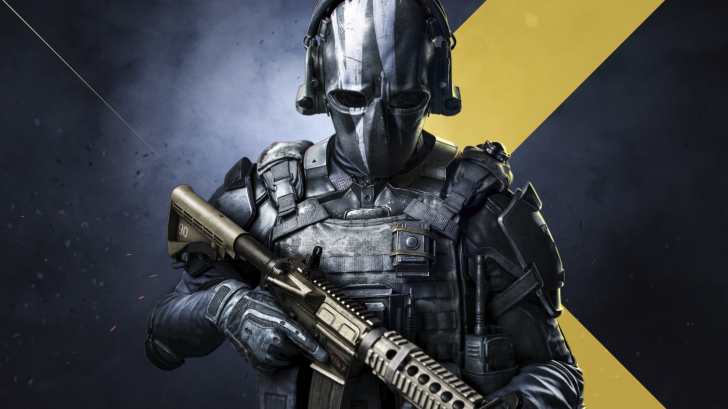
As priorities shifted at Ubisoft, the focus at the San Francisco office moved toward building a shooter that could compete directly with the likes of Call of Duty. What began as an attempt to resurrect a stealth icon gradually turned into a multiplayer-first, fast-paced FPS designed to hook players on competitive matches and cosmetic progression. That project would ultimately surface publicly as XDefiant, a free-to-play game positioned as Ubisoft’s answer to the dominant military and hero shooters on the market.
In the end, this grand strategy did not pay off. The live-service shooter that absorbed the remains of a potential Splinter Cell comeback was released, fought for attention in a crowded space, and lasted only about a year before being shut down. Rather than becoming the evergreen money machine leadership had hoped for, it became another short-lived experiment in the race to chase trends. Ubisoft San Francisco itself was eventually closed, a stark consequence for a studio that had once been home to a possible revival of one of the publisher’s most respected franchises.
The irony is hard to miss. The executive class that pushed so aggressively for a GaaS pivot managed to kill a promising story-driven Splinter Cell and replace it with a game that failed to secure a lasting audience. Meanwhile, the creative talent that walked away from that environment went on to build Dispatch, a critically acclaimed narrative title that found commercial success on its own terms, without being forced into a live-service mold.
This contrast highlights a deeper tension inside the modern games industry. For years, publishers have chased the dream of a single blockbuster live-service hit that can carry a portfolio, often at the expense of more focused, creatively driven projects. In this case, a beloved stealth franchise became collateral damage in that pursuit, while a separate, independently controlled project flourished precisely because it did not have to bend to those same priorities.
As for Splinter Cell, fans are still waiting for a true return. Ubisoft Toronto is currently leading development on a remake of the original game, intended to modernize the classic while staying faithful to its core identity. Yet official updates on that remake have been scarce, and every new story about a cancelled or reshaped attempt at reviving the series only adds to the sense that Sam Fisher’s comeback has been repeatedly delayed by shifting corporate strategies.
Today, Dispatch stands as proof of what can happen when storytellers are allowed to follow their instincts instead of a monetization template. At the same time, the story of the abandoned Splinter Cell project and the short life of XDefiant serves as a cautionary tale about the risks of chasing trends at all costs. For players who grew up sneaking through shadows with night-vision goggles, it’s a bittersweet reminder: sometimes, the best stories are the ones that get away.
1 comment
If that Splinter Cell narrative GaaS prototype ever leaked, I’d play it in a heartbeat, even if it’s messy