The upcoming Honor Magic8 series is steadily gaining attention as new listings and benchmarks reveal what’s in store. The Honor Magic8 (BKQ-AN80) recently surfaced on Geekbench after its AnTuTu run, and the results are impressive. Powered by Qualcomm’s latest Snapdragon 8 Elite Gen 5 chipset, the device posted 3,463 points in single-core and 10,268 points in multi-core performance tests. 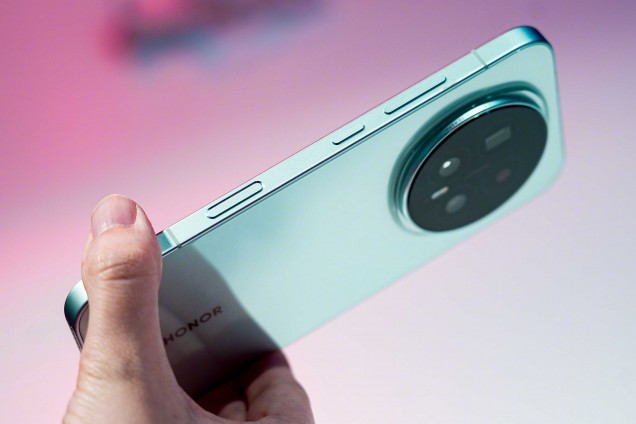
The tested unit also carried 16GB of RAM and booted Android 16, likely topped with Honor’s new MagicOS 10 interface, making it a powerhouse by current flagship standards.
Meanwhile, the Honor Magic8 Pro (BKQ-AN90) appeared in China’s 3C certification database. The certification confirms support for ultra-fast 120W wired charging and satellite connectivity, though the latter will remain exclusive to the Chinese market. Perhaps more exciting for photography fans, the Magic8 Pro is expected to ship with a sophisticated camera system: a 200MP periscope telephoto lens with an 85mm equivalent focal length and f/2.6 aperture, paired with a 50MP main sensor and a 50MP ultra-wide lens. This setup positions it directly against heavyweights like Vivo’s X300 Pro and OPPO’s high-end flagships.
Yet, despite the impressive hardware, not all fans are feeling the hype. Some longtime Honor followers argue that while the periscope telephoto rivals the best in class and clearly beats the smaller sensors found in models like the Xiaomi 17 Pro, the broader smartphone landscape has grown repetitive. Over the past two years, the biggest leaps have been in charging speeds and battery endurance rather than groundbreaking design or functionality. For many, Honor’s more modest market presence compared to giants like Xiaomi, OPPO, or Vivo also means it doesn’t benefit from the same flood of media hype and influencer coverage.
Even so, the Magic8 and Magic8 Pro launch, scheduled for next month, will mark another chapter in Honor’s push to reclaim space in the premium flagship tier. With raw processing power, rapid charging, and an ambitious camera setup, the devices are clearly positioned to compete at the very top. Whether that’s enough to stir up excitement in a market where incremental updates dominate remains the big question.