When Hollow Knight: Silksong finally launched after six years of anticipation, the community’s excitement was almost unmatched. 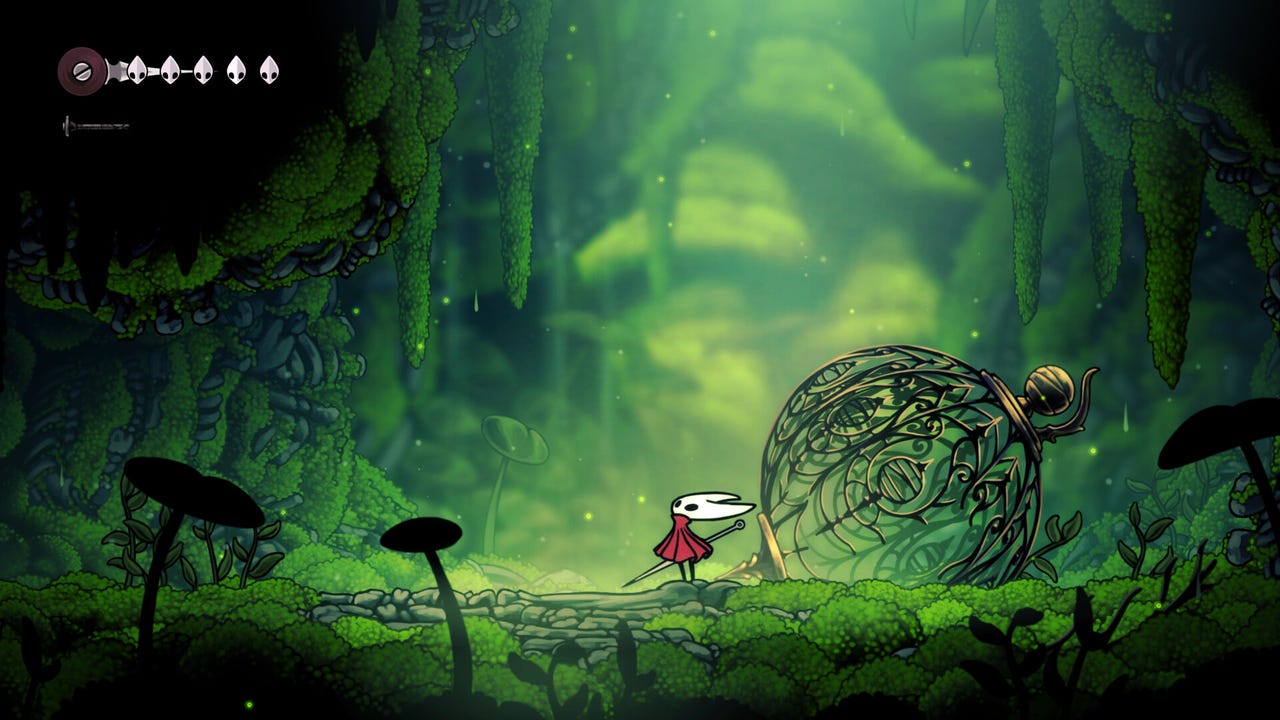
Half a million concurrent players on Steam and a flood of ‘Very Positive’ reviews suggested Team Cherry had delivered another masterpiece. Yet beneath that initial wave of celebration, a more complicated discussion has unfolded – one that questions what “difficulty” means in modern gaming, and whether criticism of beloved titles should be treated as legitimate feedback or dismissed as whining.
The heart of the debate is familiar to anyone who’s followed the cycle around FromSoftware’s Souls games. A highly anticipated release lands, critics hail its artistry and ambition, but then the real community conversation begins: is it too hard, and if so, is that fair? For Silksong, that cycle is now in full swing.
Some players argue that Silksong suffers from an inflated form of challenge. They point to punishing runbacks – those long stretches where failure means repeating minutes of traversal before attempting a boss again – as well as overtuned damage values and a stingy in-game economy. One Steam reviewer summed up the frustration: “The game has artificially inflated difficulty and playtime due to overtuned numbers and menial tasks.” Others note that minibosses appearing early in the game punish players before they’ve even unlocked essential upgrades, leading to spikes of frustration rather than carefully crafted tension.
But the backlash to such complaints has been equally loud. Scroll through any Silksong subreddit and you’ll see plenty of comments insisting the game is hard by design and that’s precisely the point. “It’s okay that Silksong is hard,” one post with thousands of upvotes declared. Many veterans of the first Hollow Knight relish the fact that Silksong requires learning new mechanics from scratch instead of letting players breeze through on muscle memory. For them, the steep learning curve isn’t a flaw – it’s the essence of the experience.
That tension has spawned the dreaded “git gud” refrain, a phrase that has followed challenging games for over a decade. While some gamers toss it around jokingly, others feel it’s being used to shut down valid discussion. “Criticism isn’t hate,” wrote one frustrated player, echoing the sentiment of thousands. They argued that raising issues with balance, progression, and accessibility isn’t an attack on Team Cherry, but part of the natural process of community feedback. What stings isn’t that Silksong is difficult, but that every attempt to analyze those frustrations is dismissed with two words: “skill issue.”
Indeed, accessibility has become one of the most important facets of the debate. Players with physical limitations or those who simply don’t have hours to grind repetition argue that difficulty settings would open the game to more people without diluting its identity. “Comfort varies,” one fan wrote, “and difficulty options let everyone find their own threshold.” This perspective clashes with purists who argue that Silksong should remain unapologetically challenging – after all, hundreds of other games already cater to those who prefer easier experiences.
Then there’s the matter of pacing. Some critics note that beyond the raw challenge, the game feels stretched thin: upgrades are spread too far apart, combat rewards feel underwhelming, and progress can stall for hours without meaningful growth. One reviewer described the experience as “a 10-hour game stretched into 30,” suggesting that the brilliance of Team Cherry’s world design risks being lost in an unnecessarily elongated grind.
Still, the love for Silksong is undeniable. Many players describe that moment when the mechanics “click” – when a new movement ability unlocks and suddenly the once-brutal challenges flow with rhythm and grace, like learning to play a new instrument. For these players, the difficulty is not an obstacle but the very fabric of the reward system. They compare it to the legendary boss Radahn in Elden Ring: initially overwhelming, but ultimately a triumph once conquered with the tools the game provides.
The clash between critics and defenders may be inevitable for a game of this scale. On one side are those who believe games should challenge but not alienate, and on the other are those who believe difficulty is non-negotiable, a statement of artistic intent. In between are players who simply shrug, say “it’s not for me,” and move on to other titles. Perhaps that’s the healthiest stance of all.
What’s clear is that Silksong is not just another sequel – it’s a cultural flashpoint in the ongoing conversation about how we play and why we play. Its success is undeniable, its artistry remarkable, but its divisiveness proves that difficulty is never just about numbers on a health bar. It’s about identity, accessibility, pride, and community. And as long as players keep debating, Silksong will remain one of the most fascinating case studies in how a game can be both adored and attacked at the same time.
2 comments
lol ppl crying its too hard need to touch grass, im 15 hrs in and its 🔥 once you unlock sprinting the game clicks
Bruh the game is great but balance is off, like enemies 2 dmg each hit?? thats just dumb design tbh