In recent news, Google appears to have completed the development of its long-anticipated AI glasses, adding another intriguing chapter to the world of wearable technology. Despite earlier reports claiming that the tech giant had no plans to venture into the AI glasses market, new updates suggest otherwise. 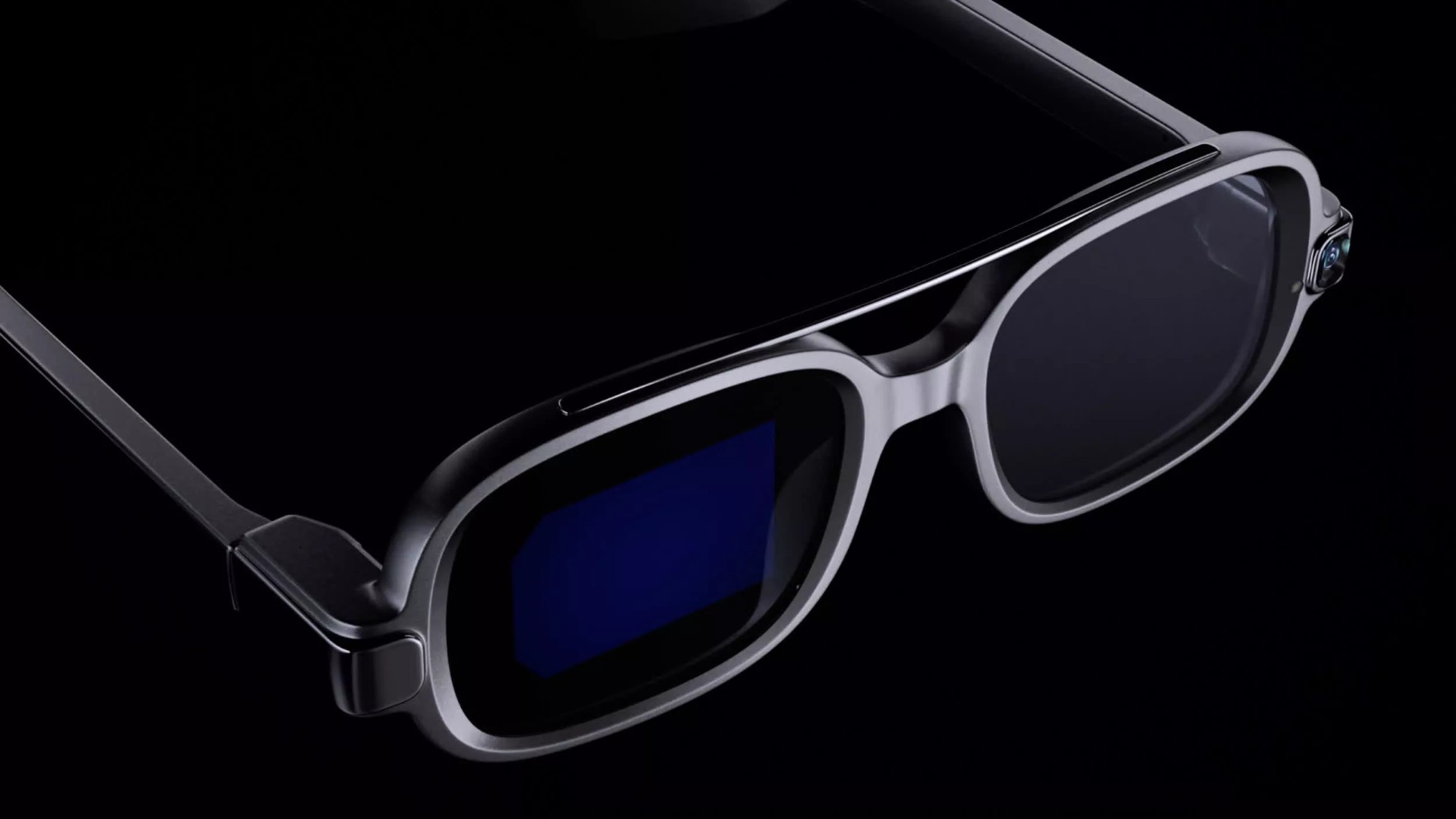
Google’s entry into the AI-powered eyewear space is a significant move, leveraging the company’s strong foundation with Android, providing a competitive edge over others in the market.
The rumors about Google’s lack of interest in smart glasses have since been put to rest, with fresh reports confirming that the development phase of their AI glasses has come to a close. According to reports from IT Home, while the R&D phase is done, Google is still undecided about when or if it will officially launch these glasses. The prototype design was created by Quanta, a major player in the tech production space. HTC, a well-known company in the smart eyewear sector, has been named as the contract manufacturer for these glasses. HTC’s experience with its VIVE Eagle AI glasses, which came equipped with a Chinese LLM, positions the company as a solid partner for Google’s entry into this market.
Despite the completion of the development phase, Google has yet to confirm a launch date, with the decision seemingly dependent on further market analysis and strategic considerations. However, the infrastructure is in place, and the AI glasses market is looking ripe for the taking, with Meta currently leading the charge. As per Counterpoint Research, global smart glasses shipments saw a staggering 110 percent growth year-over-year in the first half of 2025, largely driven by Meta’s Ray-Ban smart glasses.
In particular, AI smart glasses have become a dominant force in this space, with their market share accounting for 78 percent of all shipments in the first half of 2025, a significant increase from the previous year. This presents a massive opportunity for Google, especially considering Meta’s dominance, which holds a 73 percent share of the smart glasses market in H1 2025. Should Google decide to launch its version of the AI glasses, the Android XR platform is expected to offer enhanced flexibility and user experience. This should help users transition smoothly from smartphones to the wearable form, thanks to the continuity in user interface and interaction.
While the timing remains unclear, there is no doubt that the development of AI-powered smart glasses by Google is an exciting development. If the company moves forward with a release, it could prove to be a game-changer in the evolving wearables market, with Android’s integration bringing new possibilities for consumers and tech enthusiasts alike.