Google is taking another major step in its effort to bring artificial intelligence closer to everyday entertainment. The company has confirmed that Gemini, its flagship AI model, is coming to Google TV and will gradually replace the familiar Google Assistant. 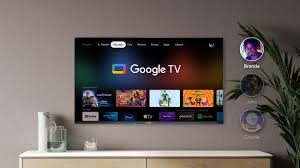
Unlike the previous voice assistant, Gemini isn’t just about answering quick questions – it’s designed to become a deeper, more conversational companion for your living room screen.
On Google TV, Gemini can do far more than play your favorite series on demand. Users will be able to chat naturally with their TV to receive instant viewing recommendations tailored to mood, genre, or even vague descriptions when the show’s title slips your mind. The system will also generate detailed summaries of episodes, recap entire seasons to get you back up to speed, and even suggest new content based on your past habits.
But Google isn’t stopping at media. Gemini on Google TV extends into lifestyle and learning. You can ask it to guide you through cooking recipes with YouTube tutorials, help plan a trip with real-time information, or even walk you step by step through learning an instrument. This evolution shows Google’s ambition to turn the TV from a passive device into an interactive hub for discovery and everyday assistance.
Activating Gemini remains simple: say the classic “Hey Google” command or press the microphone button on your remote. At launch, availability is limited – currently restricted to the TCL QM9K series. However, the rollout roadmap is broad. Later this year, Gemini will expand to devices like the Google TV Streamer, the 2025 Hisense U7, U8, and UX ranges, Walmart’s onn. 4K Pro, and additional TCL models including QM7K, QM8K, and the high-end X11K line. Google has also teased that even more features are on the horizon, suggesting Gemini’s role on the platform will only deepen.
While some users are excited about having a smarter, more versatile assistant on their TVs, not everyone is thrilled. Critics argue that bundling Gemini into certain brands makes it feel less like a perk and more like a forced feature. Still, as AI increasingly becomes part of the home entertainment ecosystem, it’s clear that Google wants Gemini to be the face of that transition.