Google’s custom Tensor Processing Units, or TPUs, have quietly turned into one of the most recognizable brands in the AI hardware world. From powering massive language models to accelerating internal search and ads, Google TPU has become shorthand for the company’s data center AI muscle. But that familiar name may not be as safe as it looks: California-based startup Tachyum is now formally challenging Google’s right to use the TPU label and is preparing to defend its own trademark on the term.
Tachyum says it secured protection for TPU years ago as an abbreviation for Tachyum Processing Unit. 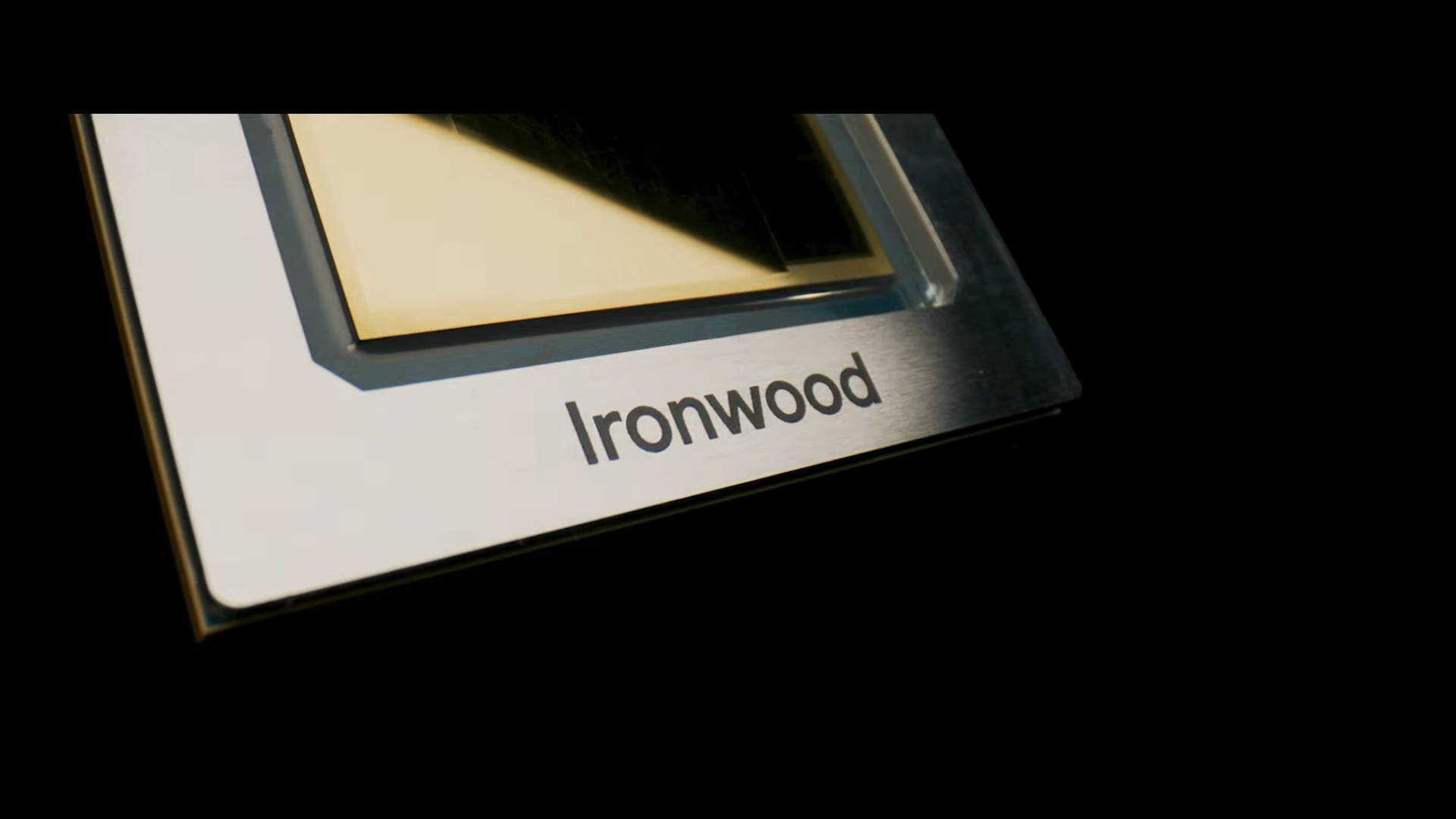
The company is petitioning the U.S. Patent and Trademark Office (USPTO), asking regulators to stop Google from using TPU in the commercial names and descriptions of its AI chips. If the office sides with Tachyum, Google could be forced into the awkward position of rebranding one of the most prominent AI hardware lines on the planet.
On paper, it sounds almost surreal. For the wider industry and developer community, TPU has long meant Tensor Processing Unit, a fairly generic technical description rather than a house brand. That is exactly what makes this clash so controversial: can a company really lock down a widely used acronym when another giant has already popularized it with a different meaning? Critics argue that trademarking such a generic looking label is asking for trouble, especially in a field where three letter acronyms are everywhere.
Part of the drama comes from the mismatch between marketing and reality. Tachyum has spent years promising disruptive AI and high performance computing chips, but so far it has mostly showed slides and ambitious roadmaps rather than shipping silicon. Its flagship project, the Prodigy family, is pitched as a 2 nm monster with up to 1,024 64 bit cores per socket and performance targets that aim to leapfrog the industry’s best. Tachyum even claims future Prodigy parts could surpass NVIDIA’s upcoming Rubin Ultra GPU platform by a huge margin in AI inference throughput, talking about 1,000 plus PFLOPs versus Rubin’s tens of PFLOPs.
At the moment, though, those numbers live in presentations and press releases. Google’s TPUs, by contrast, have been deployed at scale for several generations, quietly doing the heavy lifting behind many of the company’s products and cloud services. That disconnect fuels a common reaction in the tech community: Tachyum may own the letters on paper, but Google owns the mindshare because it actually ships hardware. Some observers half jokingly summarise it as, Tachyum has the name, Google has the processors.
The legal question, however, does not care about memes. If Tachyum can convincingly show that its TPU mark predates Google’s trademark filings and covers the same class of products, the USPTO will have to take the case seriously. Google would then face a range of unappealing options: fighting a drawn out legal battle, negotiating a licensing deal for the acronym, or simply walking away from the name and rolling out a new brand for its AI ASICs.
Renaming is not as far fetched as it sounds. Big chip vendors reinvent branding all the time; the AI space is already packed with names such as Trainium, Gaudi and a whole zoo of XPU labels. Commenters are already throwing around tongue in cheek alternatives such as GTI, short for Google Tensors Included, or slightly tweaked acronyms like TPC to sidestep the dispute while keeping the tensor flavour. A slick rebrand could even give Google a marketing bump, provided it does not confuse existing cloud customers in the process.
Underneath the jokes lies a more serious discussion about how much power trademarks should have over technical terminology. Many engineers see tensor processing unit as descriptive language, not a brand. Letting any company monopolise the TPU acronym, they argue, blurs the line between protecting identity and locking down generic concepts. Others counter that Tachyum is not claiming ownership of the underlying ideas, only its specific Tachyum Processing Unit mark, and that Google, with its legal firepower, could have chosen something less collision prone from the start.
There is also the broader competitive angle. AI accelerators are becoming the new battleground for cloud providers, startups and legacy chip giants. Branding matters because it shapes how customers think about performance, reliability and ecosystem support. Alphabet’s TPU, Tachyum’s TPU, AMD’s and NVIDIA’s various accelerators, plus the occasional meme about TPU standing for Total Power draw Unknown when power budgets explode, all show how tangled the naming landscape has become.
For now, Google has not publicly responded to Tachyum’s move, and trademark proceedings tend to move slowly. The outcome will not change how AI models perform overnight, but it could set an interesting precedent: in an era where acronyms spread faster than legal filings, who really gets to own three letters? Whether the two companies end up in a courtroom, a negotiation room or quietly settle with a behind the scenes deal, the TPU dispute is a reminder that in the AI gold rush, words and symbols can be almost as valuable as FLOPs.
2 comments
this is what happens when every company wants a three letter acronym, next up TPC, TPUX, TP-whatever
trainium was already taken by aws, still the best chip name imo, but the lawyers must be having nightmares over all this branding