In a move that few could have predicted just a few years ago, the U.S. Department of Defense – colloquially referred to in old bureaucratic slang as the Department of War – has officially approved Google’s Pixel smartphones for government use. 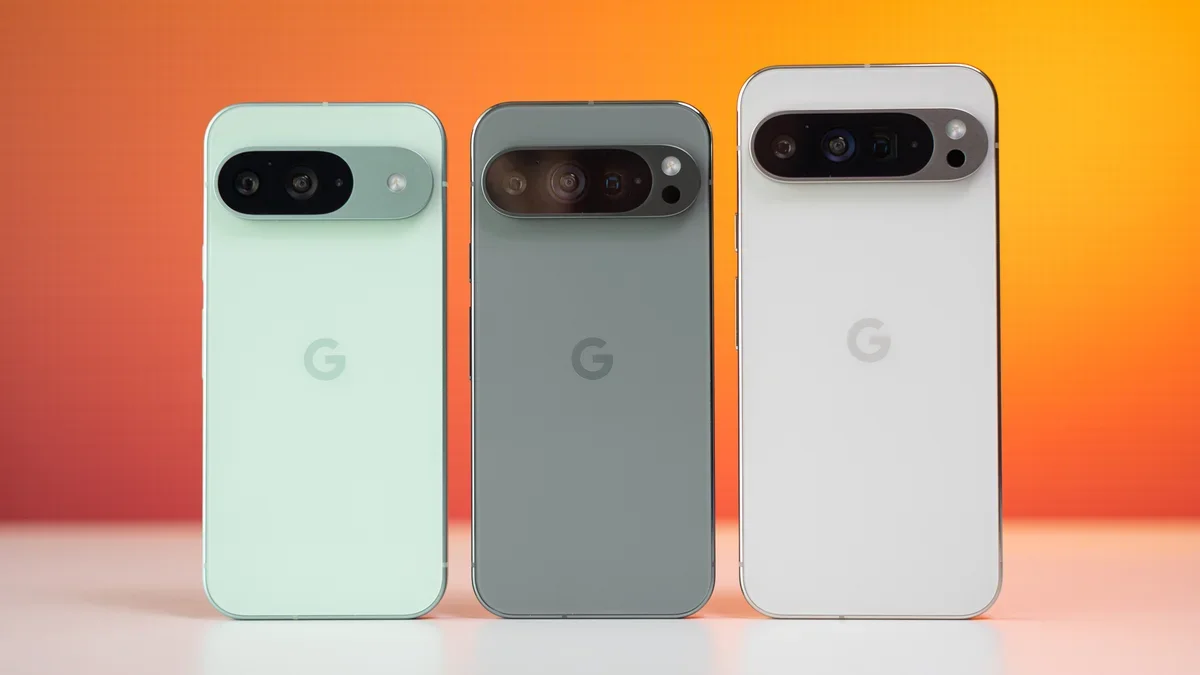
This means that when a general needs to contact Secretary Pete Hegseth or coordinate operations across secure channels, there’s now a new piece of hardware on the table – one stamped with the multicolored ‘G’ logo. For Google, this isn’t just a commercial win; it’s a major validation of its security and technological maturity in one of the world’s most demanding digital environments.
Google recently confirmed that several devices in its Pixel lineup have been added to the Department of Defense Information Network (DoDIN) Approved Products List – the catalog of tech tools cleared for use by U.S. federal agencies. This inclusion, Google emphasized in a company statement, represents a ‘significant milestone that underscores our commitment to providing federal agencies with secure, cutting-edge technology.’ In simpler terms: Washington’s most security-conscious institution just gave Google’s Pixel the green light.
The company elaborated further in a blog post, calling this approval ‘a crucial foundation of trust’ that enables government departments to confidently procure Pixel devices, knowing they meet the highest standards of cybersecurity. The irony, of course, is hard to miss – Google celebrating a partnership with a government that, not long ago, was suing it for monopolistic practices. Yet, politics aside, this marks a turning point for both sides. The Pentagon gains access to some of the most advanced consumer-grade mobile hardware on the planet, while Google cements its growing reputation as a provider of secure enterprise and public-sector tools.
Among the highlights in this new partnership is the Pixel 9 series, which has been ranked by independent analysts as the ‘highest rated for security features’ among current smartphones. These phones, built around Google’s custom Tensor G4 processor, combine hardware and software-level defenses – from Titan M2 security chips to intelligent threat detection – that keep sensitive data safe. For military and defense applications, Google touts the Pixel’s readiness for ‘mission-critical environments,’ where reliability and real-time communication are non-negotiable. The arrival of 5G technology, with its low latency and high-speed connectivity, further empowers personnel in remote regions to collaborate securely and efficiently.
But Google’s ambitions go beyond simply supplying hardware. The Pixel line is part of a broader ecosystem – integrated deeply with Google’s cloud services and AI-driven features – designed to enhance productivity while maintaining airtight security. The company describes its approach as ‘intelligent security seamlessly integrated across hardware, software, and services.’ For military use, that means Pixel phones can securely capture on-site data, transmit it through encrypted channels, and even synchronize with the cloud for instant access to vital information anywhere in the world.
One example Google highlighted involves a federal agency tasked with managing global energy logistics for the armed forces. Previously, audits and fuel inspections across hundreds of sites were conducted manually, with data stored in local systems – slow, error-prone, and difficult to access in real time. Now, with Pixel phones and Google Cloud, that same process can be automated and standardized. Field officers can capture images, upload reports instantly, and share them securely through a centralized dashboard. The result: faster decision-making, fewer errors, and a digital paper trail that meets the Defense Department’s strict compliance requirements.
Google has even launched a dedicated site, ‘Google Pixel for Public Sector,’ to showcase these capabilities. The portal describes how Pixel phones, equipped with built-in threat protection and AI features, ’empower public sector employees to securely connect and collaborate from virtually anywhere – even the most challenging environments.’ The highlight reel reads like a showcase of Google’s most innovative features: Gemini, the company’s generative AI assistant; Summarize, which can instantly read and narrate the contents of your screen; Live Translate, which provides real-time translation for text and speech; and Circle to Search, which lets users identify and translate on-screen content with a quick gesture – no app switching required.
Security, however, remains the backbone of this approval. Every Pixel 9 comes with multiple layers of protection – the Tensor G4’s hardware-based security core, the certified Titan M2 chip, and biometric safeguards including Fingerprint and Face Unlock. Google promises at least seven years of Android and security updates, ensuring the devices stay protected long after purchase. In an industry where many Android phones are abandoned after two or three years, that long-term support signals Google’s confidence in its platform’s durability and resilience.
For the Department of Defense, this isn’t just a convenience; it’s a modernization leap. The idea that a smartphone sold to everyday consumers can also serve in military-grade operations reflects both how far mobile security has advanced and how blurred the line between civilian and defense tech has become. If Google plays its cards right, the Pixel may soon become as common in federal offices as it is in coffee shops – a tool trusted not just by tech enthusiasts but by generals and analysts safeguarding national interests.
As one amused commenter put it: ‘If Secretary Hegseth approves, so do I. I might finally have to switch to a Pixel!’ Whether said in jest or genuine admiration, it captures the underlying sentiment – Google’s Pixel isn’t just another smartphone anymore; it’s a device that’s earned the U.S. military’s seal of approval.