Google’s Pixel 10 is marketed as the ultimate camera phone of 2025, but its most ambitious video tool still feels like a work in progress. 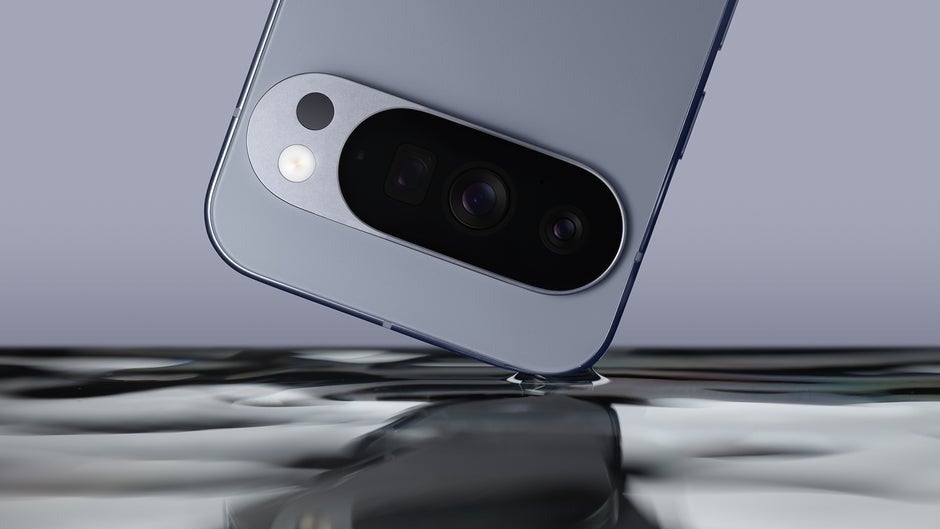
While snapping photos is as fast and polished as ever, switching to video exposes the Pixel’s long-running weakness: Video Boost.
Originally launched with the Pixel 8 Pro, Video Boost was supposed to bring Google’s AI magic to video in the same way HDR+ redefined smartphone photography. The idea sounded revolutionary – record a clip, let Google’s servers enhance it, and receive a cinematic version with balanced highlights, lifted shadows, and sharp detail. The feature even powered the Night Sight mode for video, which promised dramatically better low-light results.
On paper, it should have set a new standard. In reality, it has been plagued by slow processing, file bloat, and awkward limitations. Early tests on the Pixel 8 Pro showed that a 30-second clip could take hours to process, ballooning from under 100 MB to over a gigabyte. Worse, boosted videos sometimes lost their enhancements when shared, and the feature only worked on the main camera lens, ignoring ultra-wide and telephoto modes where improvements were most needed.
Two years later, with the Pixel 10 series and its custom Tensor G5 chip, you’d expect the feature to be seamless. Yet reviewers like Dave2D report that processing a single video still takes nearly 20 hours, with Google’s cloud required for final rendering. That’s not the instant experience people expect from a $1,000 flagship phone. Competing devices, especially Apple’s iPhone, continue to deliver polished video straight out of the camera without delays.
Video Boost isn’t without merit. In poor lighting, it genuinely improves brightness and clarity, reducing noise. But in daylight, the results can look worse than the original: shadows appear artificial, highlights are blown out, and skin tones become oversaturated. Instead of solving Google’s video problem, the feature highlights how far the Pixel lags behind rivals.
The paradox is clear: Pixel phones are still the best for photography, but video remains their Achilles’ heel. Until Google can make Video Boost work across all lenses, process clips on-device without hours of waiting, and produce consistent color accuracy, the Pixel will remain a photographer’s phone, not a videographer’s. With video becoming central to how people communicate, that’s a major gap.
There’s still hope. If future Tensor chips bring full on-device Video Boost, the feature could finally deliver on its promise. But for now, anyone serious about video recording will find better options elsewhere.
2 comments
i waited a whole day for my clip to process… never again
why even hype a feature that only works on one lens??