The Google Pixel 10 Pro XL was meant to symbolize Google’s mastery of AI-driven smartphones – a flagship that combines cutting-edge intelligence with sleek design. But recent tests show a different story: when faced with demanding games like Genshin Impact, the phone falters so badly it’s almost unplayable. Videos circulating on X (formerly Twitter) show the Pixel 10 Pro XL stuttering, freezing, and flickering as if it were a mid-tier budget device, not a $1,000 flagship. Even simple character movements lag behind input, and in some clips, touch responses fail entirely, leaving the game frozen while sound continues. 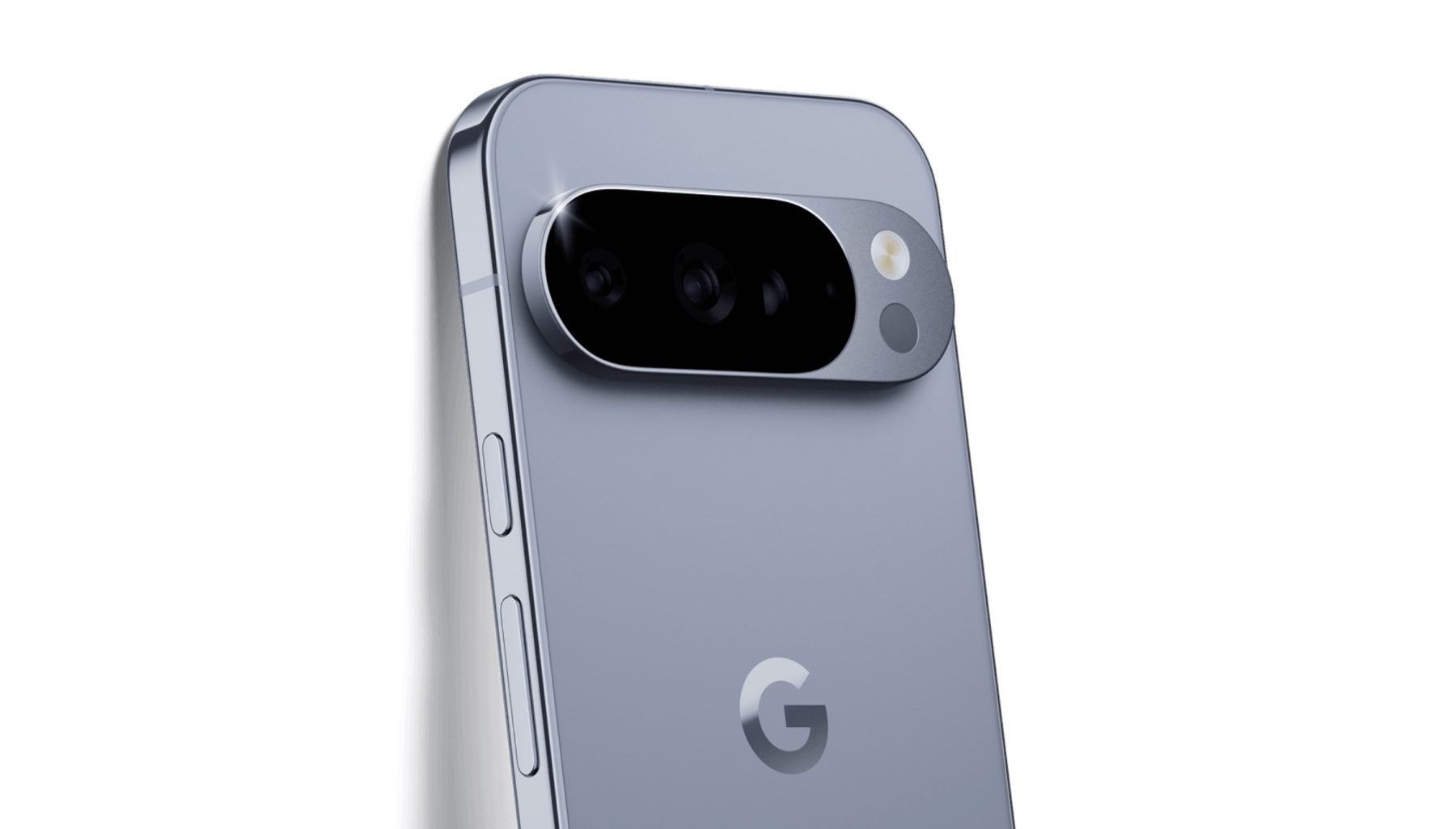
For a device built to demonstrate Google’s hardware vision, this is a painful look.
At the center of the storm is Google’s new Tensor G5 chip, built in partnership with TSMC. Unlike Qualcomm or Apple’s silicon, Google’s Tensor line emphasizes AI workloads – image processing, speech recognition, and machine learning – over brute performance. This focus makes everyday tasks buttery smooth and enhances photography through advanced computational methods, but it also means the chip sacrifices raw GPU power. In synthetic benchmarks and real-world tests, the G5 trails not only the Snapdragon 8 Gen 4 and Apple’s A19 Pro but even its predecessor, the Tensor G4, in sustained graphics output. That’s a major red flag for gamers and performance enthusiasts.
During extended gaming sessions, thermal throttling kicks in almost immediately. Frame rates drop, temperatures rise, and within minutes the Pixel 10 Pro XL struggles to maintain playable performance. In contrast, phones like the iPhone 15 Pro or Galaxy S24 Ultra can sustain Genshin Impact at smooth frame rates with consistent responsiveness. One reviewer even pointed out that the Pixel’s GPU seems to behave like an outdated architecture, unable to optimize rendering tasks efficiently. When compared side-by-side, the five-year-old iPhone 12 Pro Max surprisingly delivers better graphical stability.
The issue might also be tied to software. Some developers and enthusiasts speculate that Google hasn’t yet optimized drivers for the Tensor G5’s GPU, which could explain the strange frame pacing and poor touch registration seen in the videos. Historically, Tensor chips have been plagued with inefficient GPU drivers and outdated graphical APIs – something Apple and Qualcomm addressed years ago. Others blame Google’s reliance on Imagination Technologies’ GPU designs, known for inconsistent performance and compatibility issues in Android environments. While Apple managed to integrate that architecture seamlessly into its chips, Google’s implementation seems half-baked, at least in its current state.
Still, the Pixel 10 Pro XL isn’t entirely a failure. It remains a leader in AI-driven photography, real-time translation, and voice processing. Google’s bet on machine intelligence produces unmatched smart features, from context-aware call screening to instant language recognition. Yet, the trade-off becomes evident: while the Pixel feels futuristic in daily use, it collapses under the weight of high-end gaming. This brings up a crucial question – should Google keep doubling down on AI at the cost of performance, or aim for balance like its rivals?
In the end, the Pixel 10 Pro XL tells a story about priorities. Google’s vision is clear – make a phone that’s clever, not necessarily powerful. But as mobile games become more demanding and users expect flagship devices to handle anything thrown at them, that philosophy may start to feel outdated. AI may be the future, but when your $1,000 phone can’t run a popular game smoothly, even the smartest algorithms can’t save it.
2 comments
drivers are outdated, that’s the real issue. once google fixes them maybe performance will improve a bit
google said their phones aren’t meant to be the fastest, just smooth for UI. guess they succeeded in not being fast 😂