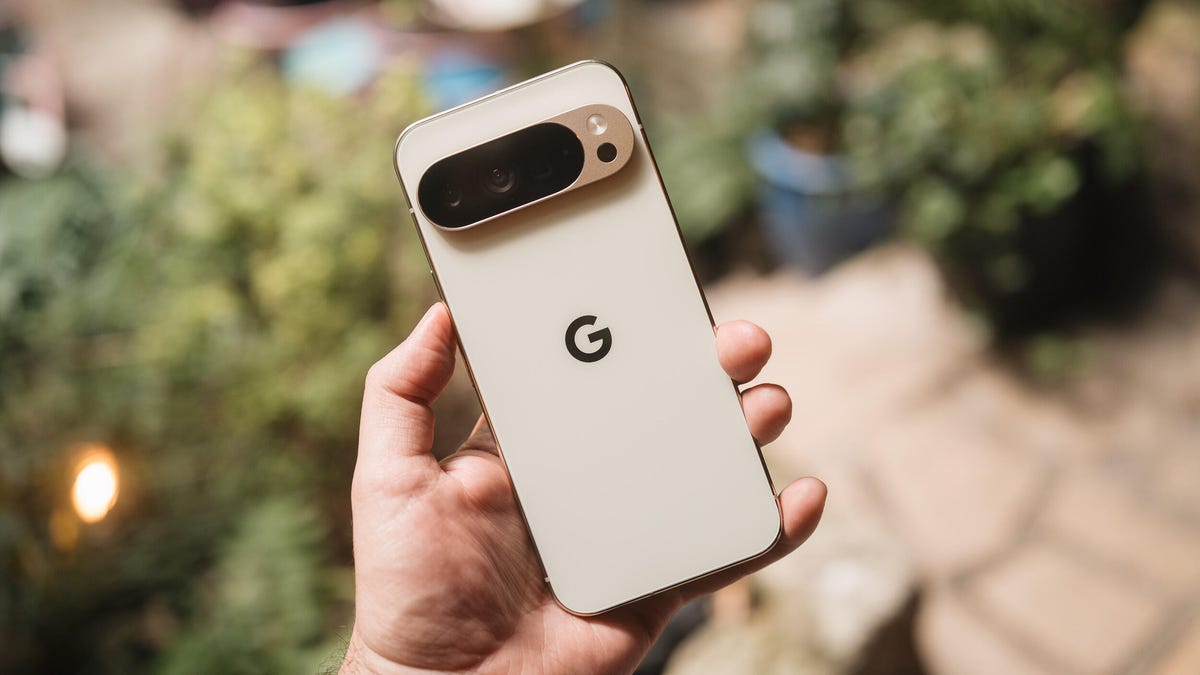
Google Pixel 10 Pro XL Camera Review: Familiar Strengths, Subtle Gains, and Lingering Limitations
Google’s Pixel lineup has long carried the reputation of being “the camera phone” of choice, a status built less on bleeding-edge hardware and more on the company’s relentless drive to refine image processing through software and AI. The newly released Pixel 10 Pro XL follows this tradition, with Google doubling down on computational photography while leaving the camera hardware largely unchanged from its predecessor. The result is a device that manages to edge out last year’s Pixel 9 Pro XL in photography performance, though the differences may only be visible to careful observers. For videographers, however, the story is more complicated, as Google’s pursuit of sharpness sometimes comes at the expense of natural detail.
At the heart of the Pixel 10 Pro XL is the Tensor G5 processor, designed to serve as both a traditional system-on-chip and a dedicated AI powerhouse. This generation of Tensor introduces diffusion models and real-time video enhancements that underpin new camera features like Pro Res Zoom up to 100x, advanced HDR processing, and cinematic rendering tools. Google’s strategy is clear: lean on software to extract every ounce of capability from camera hardware that has been essentially the same since the Pixel 9 series.
Camera Specs: A Familiar Formula with AI-Driven Evolution
The Pixel 10 Pro XL shares its triple-lens setup with the smaller Pro variant and last year’s Pro models. The main shooter is a 50MP Samsung GNV sensor with a wide aperture of f/1.68, complemented by two 48MP Sony IMX858 sensors – one serving as an ultra-wide and the other as a telephoto with 5x optical zoom. The telephoto system, enhanced by Google’s Super Res Zoom technology, claims digital zoom capabilities up to an ambitious 100x. A 42MP front-facing camera with autofocus and a 103° field of view rounds out the package, promising strong performance for selfies and video calls alike.
While these numbers might appear unchanged, Google’s new additions in 2025 should not be dismissed. Among the upgrades are full manual camera controls (a nod to professional users who prefer to tweak ISO, shutter speed, and focus), expanded 10-bit HDR video across all cameras, and support for 4K 60fps recording without compromise. Pixel-exclusive software perks, such as Night Sight Video, Astrophotography Timelapse, and gimbal-like stabilization, push the Pro XL into territory once reserved for dedicated cameras. These improvements highlight Google’s ongoing strategy: not to revolutionize camera hardware annually, but to evolve its AI and software to keep the Pixel experience ahead of most rivals.
Tensor G5: The Silent Partner in Photography
Much of what makes the Pixel 10 Pro XL camera compelling is invisible to the user. The Tensor G5 is the enabler, powering features like Camera Coach – an on-device assistant that uses Gemini AI models to give real-time tips on framing, lighting, and composition. Auto Best Take, another Tensor-driven feature, analyzes up to 150 frames to ensure group shots avoid closed eyes and awkward expressions. For editors, the “Edit with Ask Photos” option brings natural language voice commands to the post-production workflow. Say “brighten the shadows” or “blur the background,” and Google Photos carries out the command instantly.
On the creative side, the Cinematic Rendering Engine introduces real-time relighting and background blur to videos, while a mysterious upcoming feature called Magic Mirror hints at deeper integration of generative AI into everyday photography. This software-first approach ensures that even if the hardware no longer leads the industry, the Pixel experience remains uniquely Google.
Camera Scores and Benchmarks: Slight But Noticeable Gains
In our standardized testing, the Pixel 10 Pro XL posted a total camera score of 151. That matches the previous generation’s overall tally but does so with higher marks in still photography. For comparison, Samsung’s Galaxy S25 Ultra leads the pack at 158 points, while Apple’s iPhone 16 Pro Max holds steady at 154. Google’s consistency is evident: while it doesn’t top the leaderboard, it reliably produces results that appeal to both casual and enthusiast photographers.
Breaking down the numbers, the Pixel 10 Pro XL showed notable strength in wide and telephoto stills. Zooming to 3x and 5x produced crisp, detailed shots, rivaling Samsung’s mastery of telephoto imagery. At 10x, the Pixel held its ground with balanced sharpness and natural colors. Only when pushing to 100x did the results falter, with smudged details and digital artifacts reminding us that software can only stretch physics so far. Video scores were less flattering, dragged down by oversharpening tendencies that give footage a processed look rather than a cinematic one. In contrast, ultrawide photos impressed with clarity, color balance, and minimal distortion, making this lens one of the strongest on the device.
Real-World Impressions: Where the Pixel Shines and Stumbles
Daily use of the Pixel 10 Pro XL reinforces the test data. The main camera produces images that strike a near-perfect balance between vibrancy and realism. Unlike some competitors that push saturation aggressively, Google maintains a natural tone while still delivering shots that pop on social media feeds. Skin tones in particular are consistently flattering, one of the Pixel series’ long-standing strengths.
The telephoto system deserves special mention. While few users will ever rely on 100x zoom, the intermediate ranges – 3x, 5x, and 10x – deliver results good enough for prints and professional use. The absence of oversharpening, which plagues many rivals, makes these shots look clean and professional. The ultrawide lens doubles as a macro option, capturing small objects with surprising detail. Here too, software optimization plays a critical role, reducing distortion that often ruins ultra-wide captures on lesser devices.
Selfies on the Pixel 10 Pro XL are reliably sharp and natural. The 42MP sensor may sound excessive, but it ensures flexibility for both casual snaps and serious vlogging. In video calls, the improved HDR processing keeps faces well-lit even in challenging lighting environments. Video capture, however, is where cracks in the armor appear. While colors and exposure are solid, the aggressive sharpening occasionally robs footage of its natural character. At higher zoom levels, the issue becomes more pronounced, with video appearing less refined than stills taken under the same conditions. Ultrawide video suffers slightly at the edges, and selfie videos are guilty of the same overprocessing.
Google’s Balancing Act: Software vs. Hardware
The Pixel 10 Pro XL raises an ongoing debate among enthusiasts: has Google leaned too heavily on software at the expense of hardware innovation? The camera hardware has seen minimal change across two generations, relying instead on Tensor’s evolution to carry the torch. For many, this is enough – the AI-driven experience is what sets Pixels apart. For others, especially those comparing raw specs with Samsung or Apple flagships, the stagnation in sensors and optics feels like a missed opportunity. The truth likely lies somewhere in the middle. Google’s approach ensures stability and consistency, but it also risks falling behind in sheer hardware capability if competitors continue to innovate aggressively.
Final Verdict: A Pixel Through and Through
The Pixel 10 Pro XL is unmistakably a Pixel. It offers predictably excellent still photography, meaningful software-driven upgrades, and an overall package that balances ease of use with professional flexibility. Its shortcomings – video oversharpening, a lack of groundbreaking hardware upgrades, and the unrealistic promise of 100x zoom – don’t overshadow its strengths but do leave room for improvement. Ultimately, this phone embodies Google’s philosophy: software refinement is the path to great photos, and in that respect, the Pixel 10 Pro XL succeeds. If you already own a Pixel 9 Pro XL, the improvements may not justify an immediate upgrade unless you value the new video features and AI tools. But for anyone seeking one of the most consistent and enjoyable smartphone cameras available, the Pixel 10 Pro XL remains a top-tier choice.