The new Pixel 10 series has officially arrived, and while everyone is talking about the advancements in the Tensor G5 chip and AI camera features, there’s one change that’s hard to miss. For the first time ever, Google has dropped the physical SIM card tray from most of its Pixel 10 models in the U.S. Instead, these phones are fully embracing eSIM technology, joining Apple in moving towards a completely digital future.
The Pixel 10, Pixel 10 Pro, and Pixel 10 Pro XL are now eSIM-only devices in the U.S., supporting Dual eSIM, meaning users can activate two lines simultaneously and store multiple cellular profiles on the device. 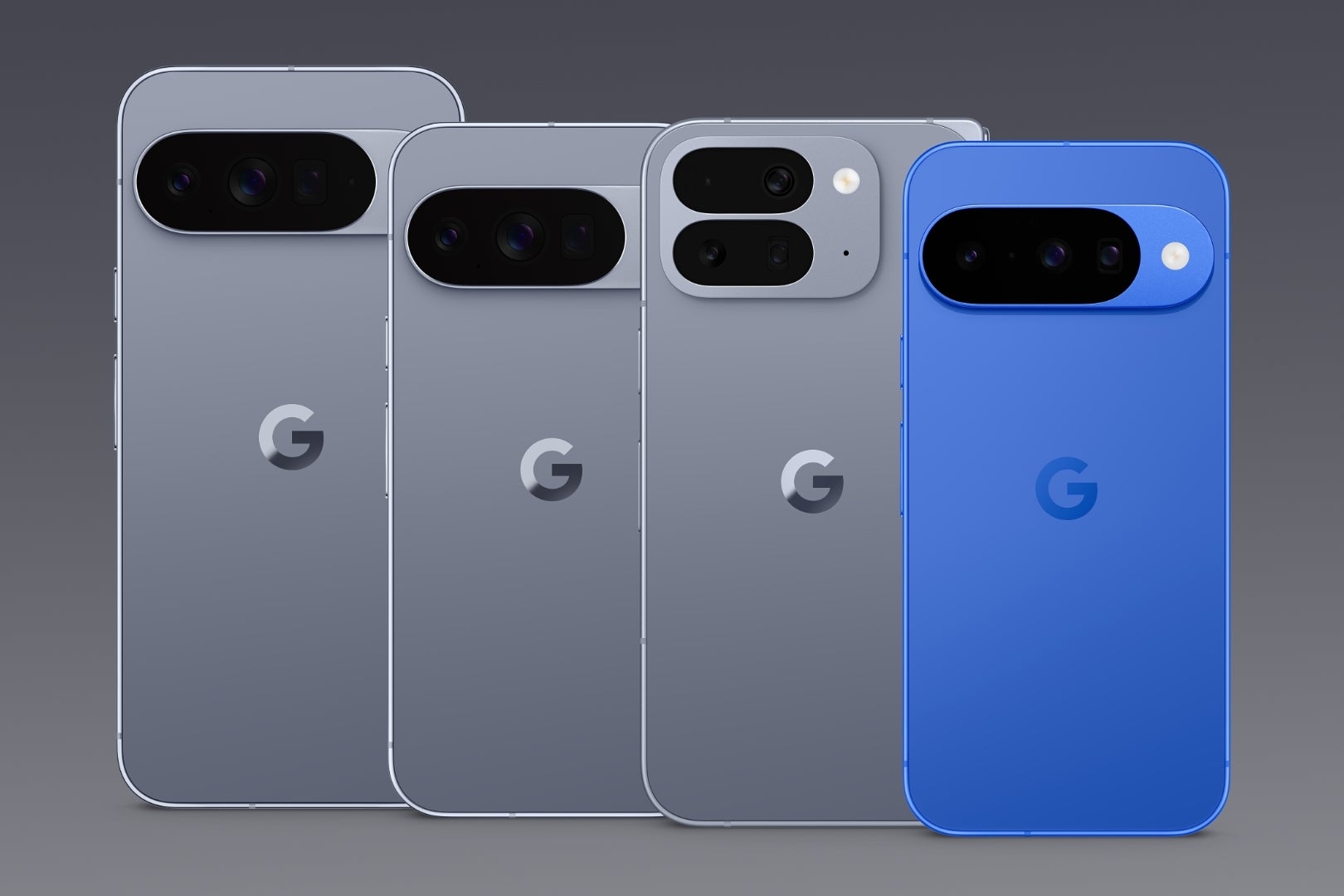
It’s a bold move towards a clean, digital-only approach. But it’s not all devices in the Pixel 10 lineup: the Pixel 10 Pro Fold will still feature a physical SIM alongside eSIM support. Also, if you’re outside the U.S., like in the UK, Canada, Germany, India, or Japan, you’ll still get the physical SIM tray in addition to eSIM capabilities.
This shift towards eSIM isn’t new – Apple made the same move with the iPhone 14 in 2022. While the tech world gave Apple’s decision a mix of applause and confusion, the transition is gradually becoming more accepted. eSIMs are known for being more secure, as they can’t be physically removed by thieves, and offer added convenience for users looking to change carriers or set up international plans via a simple QR code scan. Manufacturers also benefit from the extra internal space, which can be used for more components or a bigger battery.
But not everyone is sold on the change. As someone who constantly tests phones, I’ve always relied on swapping physical SIM cards between devices. This simple process, while old-fashioned, is essential for testing and day-to-day use. For tech enthusiasts and frequent travelers, swapping a physical SIM is often faster and more convenient than dealing with carrier apps or dealing with eSIM support. While eSIMs work great for the average user, they can complicate things for those who need flexibility or are used to picking up a cheap prepaid SIM card when traveling.
In the grand scheme, the future seems to be digital, and eSIMs represent that future. However, for those who rely on the simplicity and flexibility of physical SIM cards, this move feels like a step backwards. Google is pushing the Pixel 10 series into the future, but it’s not a future everyone may be ready for.
3 comments
Not gonna lie, I hate the e-sim. It’s just another headache for people who need flexibility
Bad idea, I like having the option for physical SIM. I travel a lot, and it’s way easier to just swap a card than deal with apps and QR codes
I don’t mind e-sim, but I would prefer e-sim & physical Sim