Google Meet has just introduced an AI-powered update that might become a favorite among professionals juggling back-to-back calls and spontaneous meetings. The video conferencing platform now includes a suite of 12 virtual makeup looks designed to enhance your on-camera appearance in a natural, adaptive way. 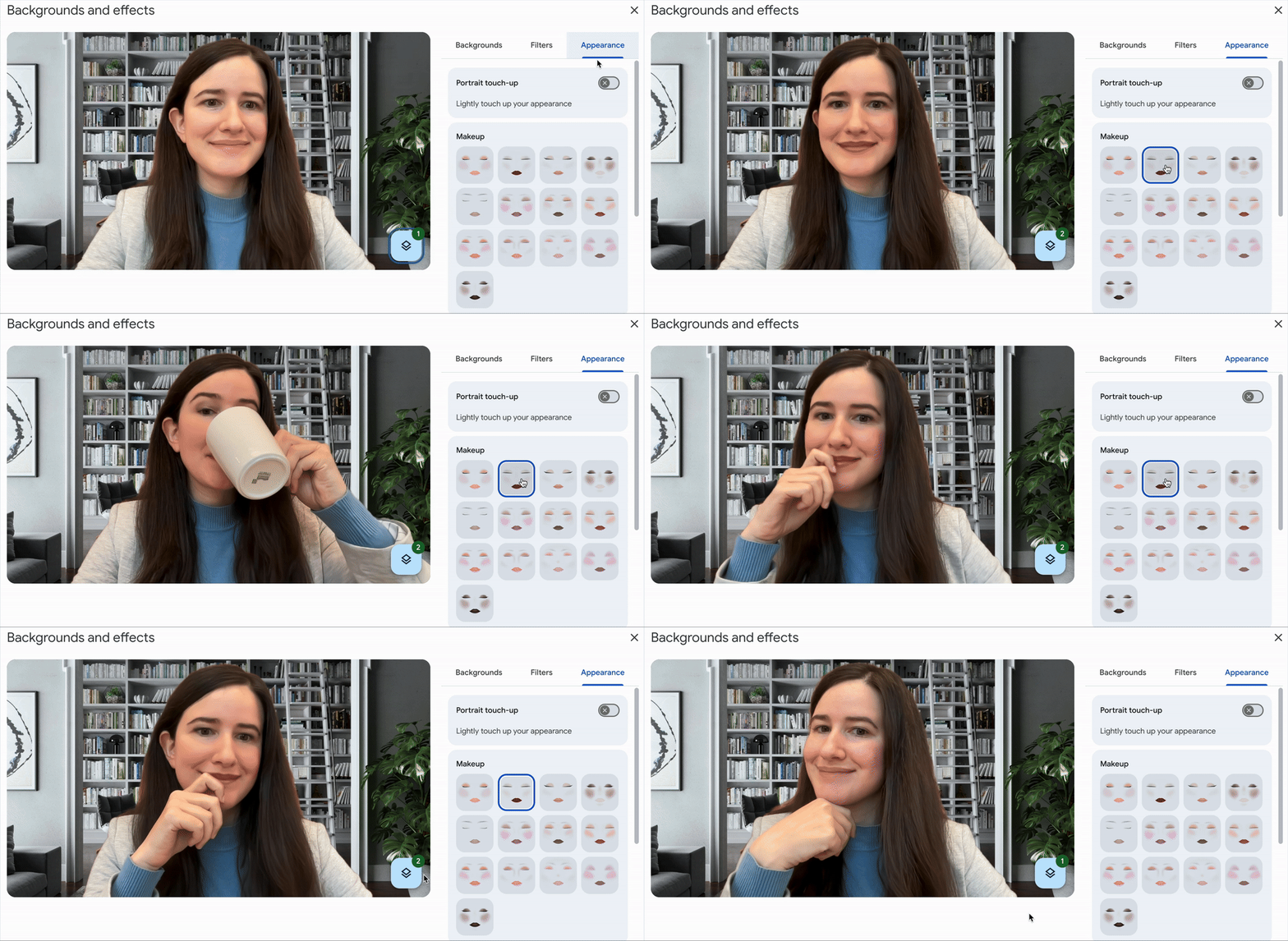
This isn’t just another filter gimmick – Google is leaning heavily into artificial intelligence to make sure your look stays realistic and consistent, no matter how much you move or gesture.
From barely-there elegance to bold statement styles, the new options let you find the right tone for any kind of meeting – whether you’re logging into a formal business presentation or joining a casual team chat from your kitchen table. The beauty of this update lies in its subtlety: the AI adjusts the makeup dynamically, keeping it perfectly aligned to your face even if you’re sipping coffee, scratching your nose, or turning your head.
We’ve all been there – it’s five minutes before a call, and you’re still in your pajamas with your hair doing its own thing. Google Meet’s new feature aims to take that edge off. By expanding the previous “Touch-up” mode into a full-fledged smart makeover system, it gives users a professional look in seconds without requiring any real preparation. The system is off by default, but once enabled, your selected look is saved across sessions – so next time, you’ll automatically appear polished and ready, no matter what time it is.
The new makeup suite is available on both desktop and mobile versions of Meet, offering cross-platform consistency for remote workers who often switch between devices. Whether you’re using your phone on the go or your laptop in the office, your appearance remains steady, smooth, and conference-ready.
Keeping pace with competitors
Of course, Google isn’t alone in exploring the virtual beauty and presentation trend. Microsoft Teams previously partnered with Maybelline to bring branded makeup looks to enterprise users, while Zoom has long offered “Studio Effects,” which let users tweak their eyebrows, lipstick, and facial contours. The difference is that Google’s new system feels less like a cosmetic filter and more like a digital enhancement tool – blending seamlessly into real skin tones and lighting conditions.
This move is part of Google’s ongoing effort to make Meet competitive in a market where online presence equals professionalism. For remote workers and hybrid teams, how you appear on camera can influence first impressions and confidence. A tool that makes you feel composed without additional effort can genuinely improve communication and comfort during virtual meetings.
A surprisingly practical feature
When virtual makeup filters first appeared, many users (myself included) rolled their eyes. They often looked cartoonish, breaking apart when the lighting changed or when you simply leaned closer to the camera. But Google’s new AI-driven approach feels different. The tech uses face-mapping algorithms that maintain continuity even when you move or block part of your face with an object. From early demonstrations, it’s clear that this system is designed for subtle realism – enhancing your features instead of exaggerating them.
This isn’t just about vanity; it’s about convenience and confidence. For early morning calls, back-to-back client sessions, or last-minute syncs, the ability to instantly look polished can save valuable time. Instead of rushing to fix your appearance, you can focus on what matters – the actual meeting content. It’s a smart solution for modern professionals who want to look sharp without the stress.
Currently, this feature is available only for Google Workspace Business and Education tiers, along with Google One and Workspace Individual subscribers. Over time, it’s likely to expand to more users as Google fine-tunes the system and gathers feedback. It’s a small but meaningful upgrade that reflects the growing intersection of AI, personalization, and digital identity.
With this update, Google Meet isn’t just catching up with competitors – it’s redefining what “camera-ready” means in the AI era. When technology can make us feel a little more confident and at ease in front of the screen, that’s not vanity – that’s progress.
2 comments
ok but can it fix my bad lighting too pls 😅
teams had this first, google just catching up again