The long-awaited ruling in the United States v. Google antitrust case has finally arrived, and while the Department of Justice (DOJ) was pushing for a dramatic restructuring of the tech giant, the outcome turned out to be far less severe than anticipated. 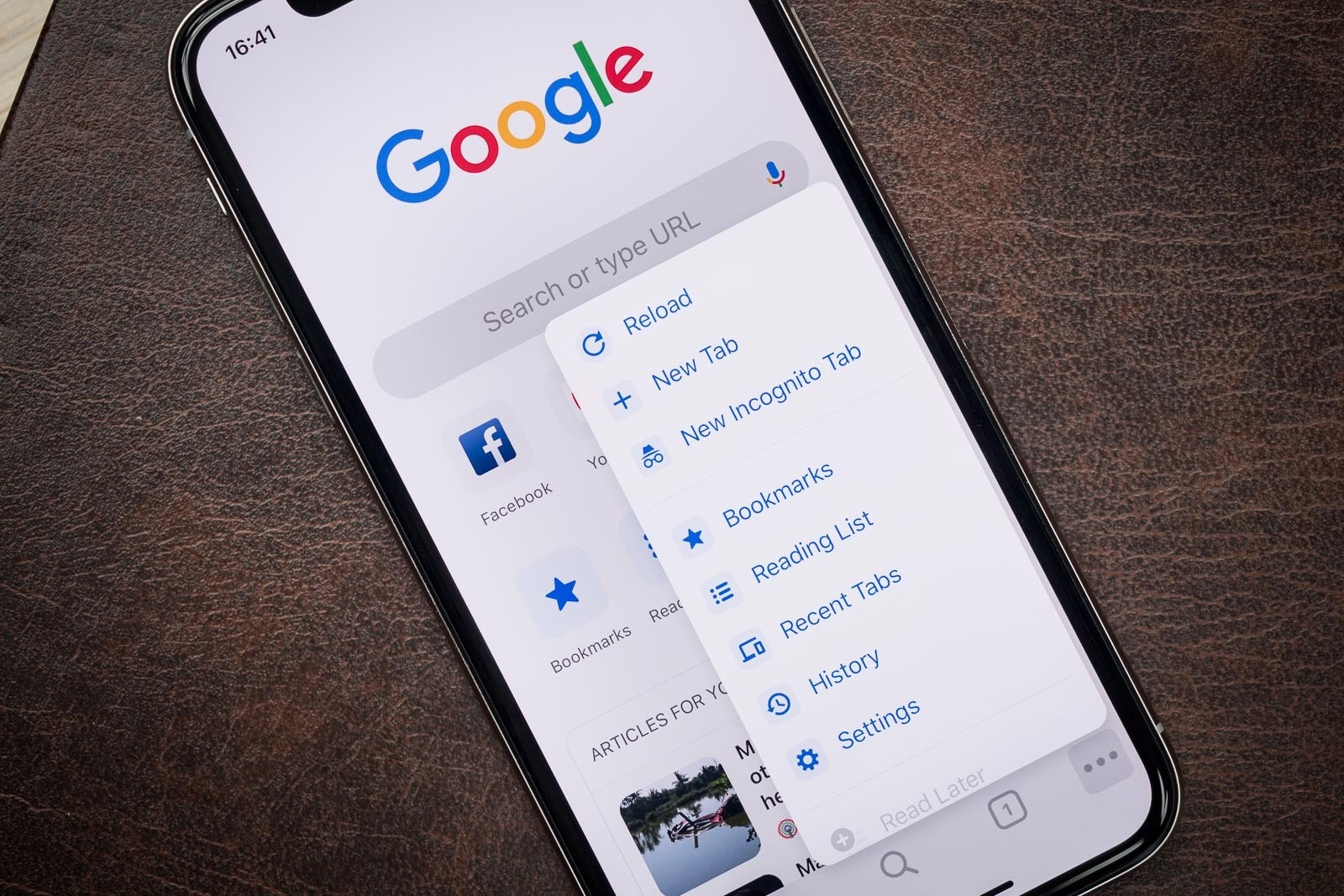
Google, despite being found guilty of maintaining an illegal monopoly in search, managed to avoid the nightmare scenario many analysts had speculated about: losing ownership of its Chrome browser.
At the heart of the case was the question of whether Google unfairly leveraged its dominance in search to stifle competition. Prosecutors argued that Google’s enormous influence came not only from the power of its search algorithms but also from the company’s aggressive tactics in securing default search placements on browsers, phones, and other devices. The DOJ went so far as to suggest that divesting Chrome was the only way to ensure fair competition, a demand that echoed the famous Microsoft antitrust case from the late 1990s, when the government tried to split the software company in two.
But U.S. District Judge Amit Mehta rejected that remedy. He noted that while Google had indeed engaged in unlawful practices, the wrongdoing stemmed from the exclusive contracts that forced Google Search to be the only option in many ecosystems – not from Chrome itself. Forcing Google to sell Chrome, he said, would create an “incredibly messy” outcome with little direct benefit to consumers. As a result, Chrome will remain under Google’s control, a decision that immediately sent Alphabet’s stock upward as investors breathed a sigh of relief.
Instead, the punishment focused on curbing Google’s contractual behavior. The court has now barred the company from striking exclusive agreements that prevent rivals from gaining visibility. Yet, the decision includes a controversial caveat: Google is still allowed to pay device makers and partners – such as Apple and Samsung – huge sums to remain the default search engine. Critics argue this distinction between exclusivity and default status is paper-thin and leaves Google with an enormous advantage. For many users, the default is effectively the only option they ever use, meaning real competition may still struggle to emerge.
The ruling also touches on Google’s next big frontier: artificial intelligence. Judge Mehta extended the ban on exclusivity to products like Google Assistant, now evolving into Gemini, signaling that AI-powered search will face similar scrutiny. This raises new questions about how Google will negotiate future integrations, as AI assistants increasingly become the entry point for online queries and digital life. Will Google be forced to rework existing deals with hardware makers? Or will it continue to pay billions to secure its position while skirting the line between exclusivity and default arrangements?
The legal order will remain in place for six years, though the appeals process could stretch much longer. The battle over how to regulate Google’s dominance is far from finished, and the blurred lines in this ruling all but guarantee further disputes in courtrooms, regulatory agencies, and the marketplace. For now, Chrome is safe, but the broader fight over what fair competition in the age of search and AI really looks like is only just beginning.
Meanwhile, in lighter news for tech enthusiasts, the creators of “Iconic Phones” have announced their upcoming coffee table book, Iconic Phones: Revolution at Your Fingertips. Due this fall, it promises to capture the story of the mobile revolution through the most memorable handsets of the past two decades, offering a nostalgic deep dive for fans of technology and design.
2 comments
Feels like Microsoft 90s all over again but softer
tbh I never change my default search anyway