On paper Horses looks like the kind of strange, experimental horror project that usually thrives in the long tail of PC gaming. Instead, it has become a symbol of how much power a few storefronts wield over what players even get to see. After Valve decided that horror game Horses will not be allowed on Steam, Italian studio Santa Ragione suddenly found its next release shut out of the largest marketplace on PC. In contrast, CD Projekt’s storefront GOG has stepped in with a very different message, not only agreeing to host the game but spotlighting it on the front page and opening pre orders early. 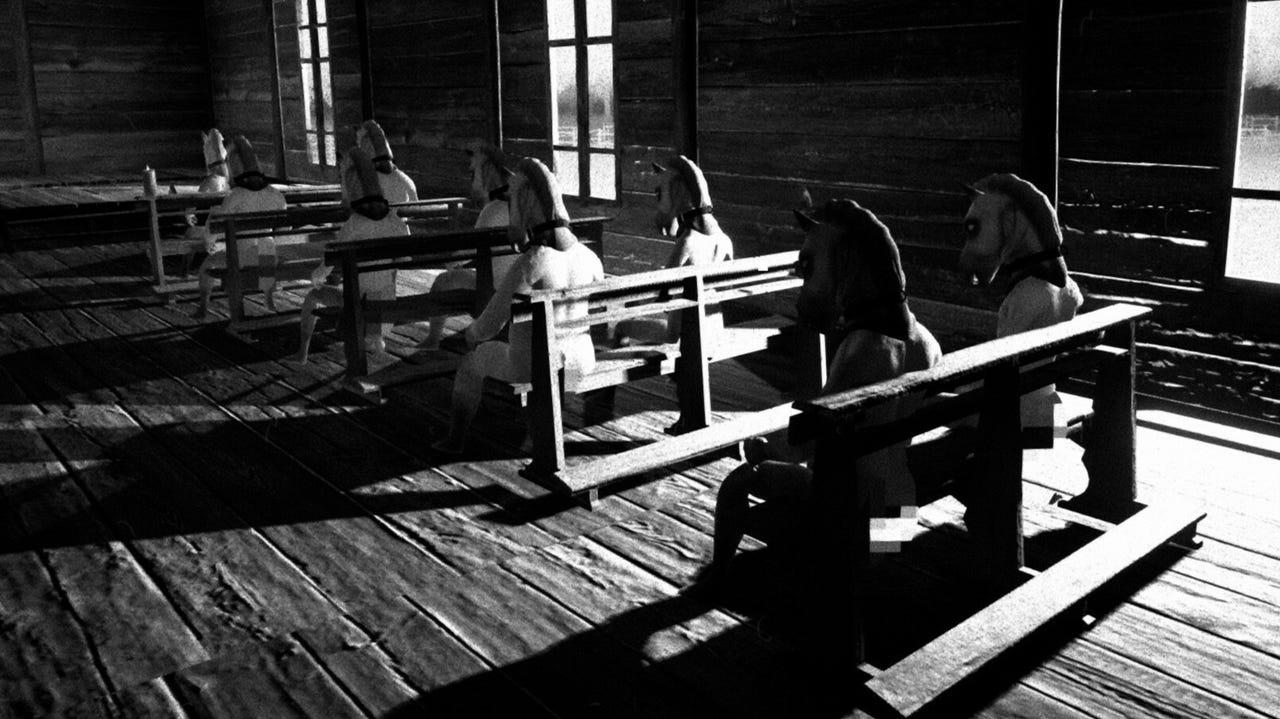
That clash of decisions has ignited a heated argument about content policies, accusations of censorship versus curation, and the uncomfortable grey area where horror, sexuality, and the protection of minors collide.
Horses is a first person psychological horror game that mixes exploration with live action footage, set entirely around a remote, oppressive horse farm. Over the course of a fictional two week stay, players move through fourteen in game days, each structured around a new interaction with the farm’s owners, animals, and strange rituals. The pitch from Santa Ragione emphasises slow burn dread rather than jump scares: you are expected to follow instructions, obey rules, and decide how far you are willing to go to fit into this unnerving community. Every day, new scenes reveal more about what really happens on the property, and the choices you make shape which characters you meet and how complicit you become in the farm’s secrets. It is deliberately uncomfortable material, but well within the tradition of indie horror that pushes at taboos to comment on power, abuse, and control.
In 2023 Santa Ragione first submitted Horses to Steam, listing a tentative release window and preparing a public store page. According to Valve, that was where the trouble started. The company says that certain descriptions and images on the page raised red flags, triggering a deeper internal review of the playable build itself. After playing through the game, Valve’s content team concluded Horses did not fit within its guidelines and told the developer it would not be approved. The studio later requested a second look, after making changes, but Valve says the decision was discussed extensively and declared final. Santa Ragione has said that Valve’s original objection centred on sexual content involving a child, material the team then removed from the game. Even so, Valve clearly decided it did not want to be associated with the project or the creators again, a stance that many players see as understandable given the seriousness of the subject.
That is where the debate turns white hot. For some players, if a developer ever thought it was acceptable to include sexualised content around a minor, there is no coming back from that decision. In their view, editing the scenes out does not erase the mindset that allowed them to exist in the first place, and a platform as huge as Steam is right to draw a hard, permanent line. Others counter that horror has always explored the ugliest corners of human behaviour, that context matters, and that adults should be free to choose what they play without a handful of gatekeepers quietly killing uncomfortable art. Both sides agree on at least one thing: Valve’s rules remain opaque. The company rarely explains exactly where the limits are, leaving developers to guess which combination of violence, sex, and exploitation is acceptable until a game is suddenly rejected or delisted.
GOG, owned by Cyberpunk 2077 and The Witcher publisher CD Projekt, has chosen a different approach. In a public statement the store said it was proud to give Horses a home and repeated its long held line that players should be able to choose the experiences that speak to them. Pre orders went live immediately, the game was featured on the storefront’s front page, and GOG’s social feeds pointed followers towards the announcement. The move is not just a quiet listing; it is an explicit show of support for Santa Ragione at a time when the studio has warned that being locked out of Steam puts it at high risk of closure. On a PC market where Valve still commands the overwhelming majority of sales, selling on Epic, GOG, Itch, and Humble may not be enough to keep a small, experimental team afloat.
At the same time, GOG’s stance has attracted its own backlash. Critics have been quick to point out that this is the same storefront that famously reversed course on acclaimed Taiwanese horror game Devotion after pressure over a piece of satirical art critical of China’s president. Devotion has never returned to GOG, and for some players that episode makes the new rhetoric about creative freedom ring hollow. Why, they ask, is a game once accused of containing sexual content involving a minor worth championing, when a political joke was considered too risky to keep in the catalogue. That perceived inconsistency fuels the suspicion that none of these platforms are truly neutral guardians of art; they are businesses making case by case calculations about what will cost them the least trouble.
Amid all this, Santa Ragione co founder Pietro Righi Riva has argued that what developers need most is clarity. In comments to the press he described a landscape where a tiny number of companies effectively control distribution for almost every PC game that exists, and yet those companies do not feel obliged to offer transparent, predictable rules. When a single opaque decision can endanger an entire studio’s future, he argues, the people who run these platforms have responsibilities that go beyond maximising revenue and avoiding controversy. They are also shaping which stories can be told, how far creators can push into difficult territory, and whether games are allowed to grow as an artistic medium instead of shrinking away from anything that might upset a content reviewer.
For players, the Horses dispute is a reminder that the PC ecosystem is not as open as it sometimes appears. Yes, you can still buy the game on GOG and other stores, and dedicated fans will likely seek it out there. But the invisible decisions taken by platform holders dramatically narrow what reaches a mainstream audience, which projects get enough visibility to survive, and which uncomfortable ideas are quietly buried. Whether you believe Steam is protecting vulnerable people, overreaching into censorship, or simply covering itself from legal risk, this is not a one off drama. It is part of an ongoing struggle over who gets to decide which horrors are too horrific, which fantasies cross a red line, and how much power we are comfortable handing to a few storefronts that sit between us and the games we might otherwise never even know existed.
3 comments
Tbh if Valve of all people said nope, that tells me a lot. They allow some really weird stuff already, so this must have been bad
Whole thing just proves how much power storefronts have, one email from Steam and suddenly a small studio might die, that is scary too
Idc if they removed it later, the fact someone on that team thought hey lets add this scene is enough, no second chances for that