HBO is once again betting big on the world of Westeros. After the explosive success of Game of Thrones and the strong reception to House of the Dragon, the network has quietly assembled a Marvel style roadmap of spinoffs. At the center of it all is George R R Martin, who says he is not only consulting on the already announced prequels but also helping to shape a surprising number of new projects, including something fans have begged for and barely dared to hope for anymore: actual sequels set after the main series.
Two shows are locked in and marching ahead. House of the Dragon, already renewed and mapped out for multiple seasons, explores the bloody Targaryen civil war known as the Dance of the Dragons around two centuries before the events of Game of Thrones. 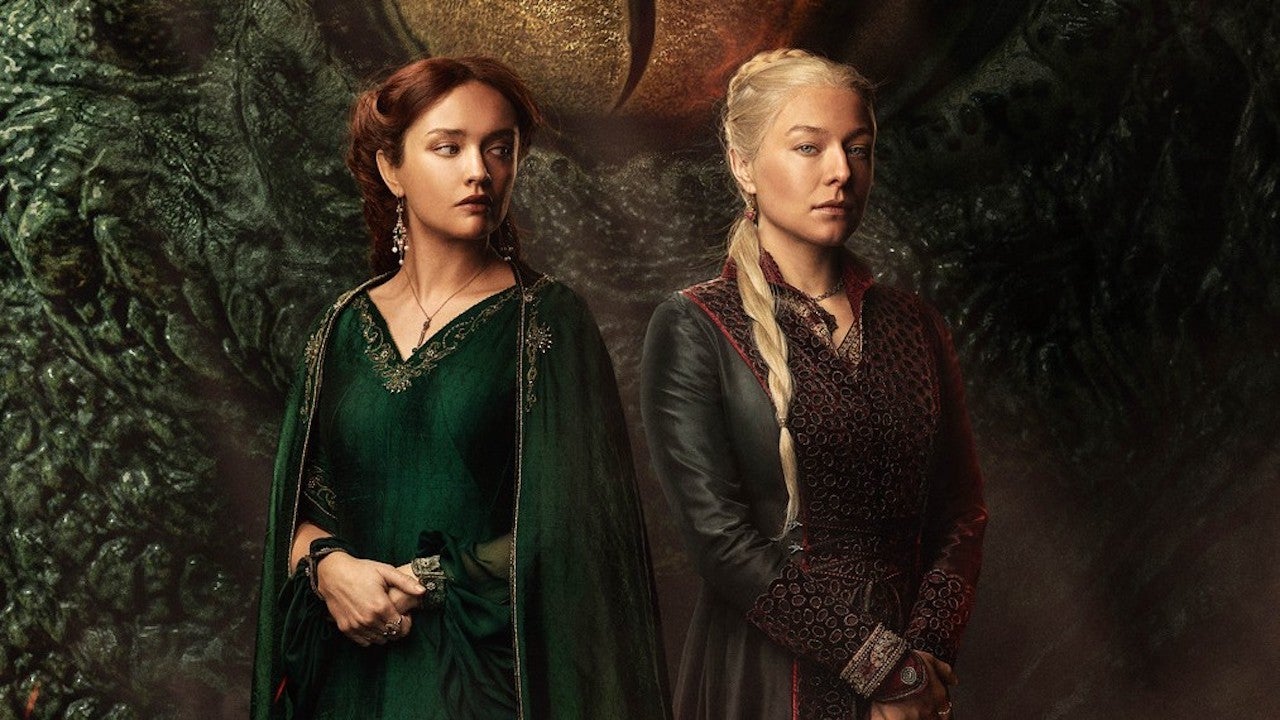
A Knight of the Seven Kingdoms shifts the spotlight to the adventures of Dunk and Egg roughly a century before Ned Stark ever rides south, a more intimate road story about chivalry, small scale politics, and the quiet corners of Westeros that were only hinted at in the flagship series.
According to Martin, those are just the tip of the Valyrian steel spear. He has confirmed that five or six additional series are officially in development, most of them still prequels. Long talked about ideas such as a show focused on Aegon the Conqueror or the legendary warrior queen Nymeria remain on the table, alongside concepts like a sea faring saga once known under the working title Ten Thousand Ships. Fans still have not forgotten the cancelled Naomi Watts led pilot set during the Age of Heroes, and its ghost haunts every new announcement, a reminder that development in television is a brutal battlefield where even a thirty million dollar pilot can simply vanish.
What makes this latest tease different is Martins admission that not every project is about diving deeper into the past. For the first time he has openly acknowledged that there are genuine sequel ideas on the slate, stories that would pick up after the controversial final season of Game of Thrones. That instantly turns the spotlight on the characters who lived to see the end credits, and there are several obvious candidates that fans have been fantasy casting in their heads for years.
The most public of these was the Jon Snow series that Kit Harington quietly worked on for a couple of years. The idea of following Jon beyond the Wall into truly uncharted lands full of strange magic, new peoples, and the long shadow of the White Walkers lit up message boards the moment it leaked. In the end HBO shelved the project, at least for now, but Martin name checking the presence of sequels in active development suggests that a version of that wandering hero story may yet find its way back into the mix.
Arya Stark is another obvious anchor for a potential sequel. The last time we saw her she was literally sailing off the map, heading west in search of what lies beyond the known world. Last year Martin casually mentioned grabbing pizza and pasta with Maisie Williams and hinted that they talked about ideas he did not want to jinx by describing in public. That was all it took for fans to start dreaming about an Arya the Explorer series that could blend swashbuckling adventure with the darker, quieter character work that made her arc so compelling.
There are even wilder pitches swirling around the fandom that would push the franchise far from its medieval roots. Some dream of a series set a thousand years in the future, in a quasi industrial Westeros where dragons have become dusty myths, nobles ride in clattering carriages instead of on horseback, and political intrigue crashes into early technology in a way reminiscent of Carnival Row. Others half jokingly insist the most obvious sequel would be one where a red priestess resurrects Daenerys Targaryen and drags the world back into fire and blood all over again.
Yet every announcement of a new show lands against a very specific backdrop: the still unfinished A Song of Ice and Fire novels. Martin is now well into his seventies, and fans have been waiting for The Winds of Winter for more than a decade. Many react to news of fresh television projects with a mix of excitement and exasperation, joking that the author will happily do anything except sit down and finish the next book. Others take a softer view, pointing out that his side quests have given us things like Elden Ring and that creative obsession does not always follow a neat production schedule.
The growing pile of spinoffs also reopens the wound of the Game of Thrones finale itself. Some viewers remain furious about how quickly the last season burned through plot, insisting the story needed more episodes and a slower descent into tragedy. Others quietly admit that, while the pacing was off and some turns felt rushed, they can live with where the main characters ended up. What many seem to agree on, however, is that the world still has untapped potential, whether that means revisiting the Long Night concept that HBO once shelved, remaking the final stretch from a different angle, or simply moving far enough away in time that the scars of that ending stop dominating every conversation.
For now, all of these projects live on the hazy borderland called development, a place where countless series are pitched, written, partly cast, and quietly buried before a single frame ever airs. The fact that Martin is still actively involved and openly talking about multiple spinoffs at once is a sign that HBO has no intention of letting its crown jewel fantasy universe fade away. But until cameras roll and episodes are ordered, even the most intriguing sequel is just another rumor riding on the winter wind.