Exclusive Windows No More: Why the Era of Console-Only Games Is Fading
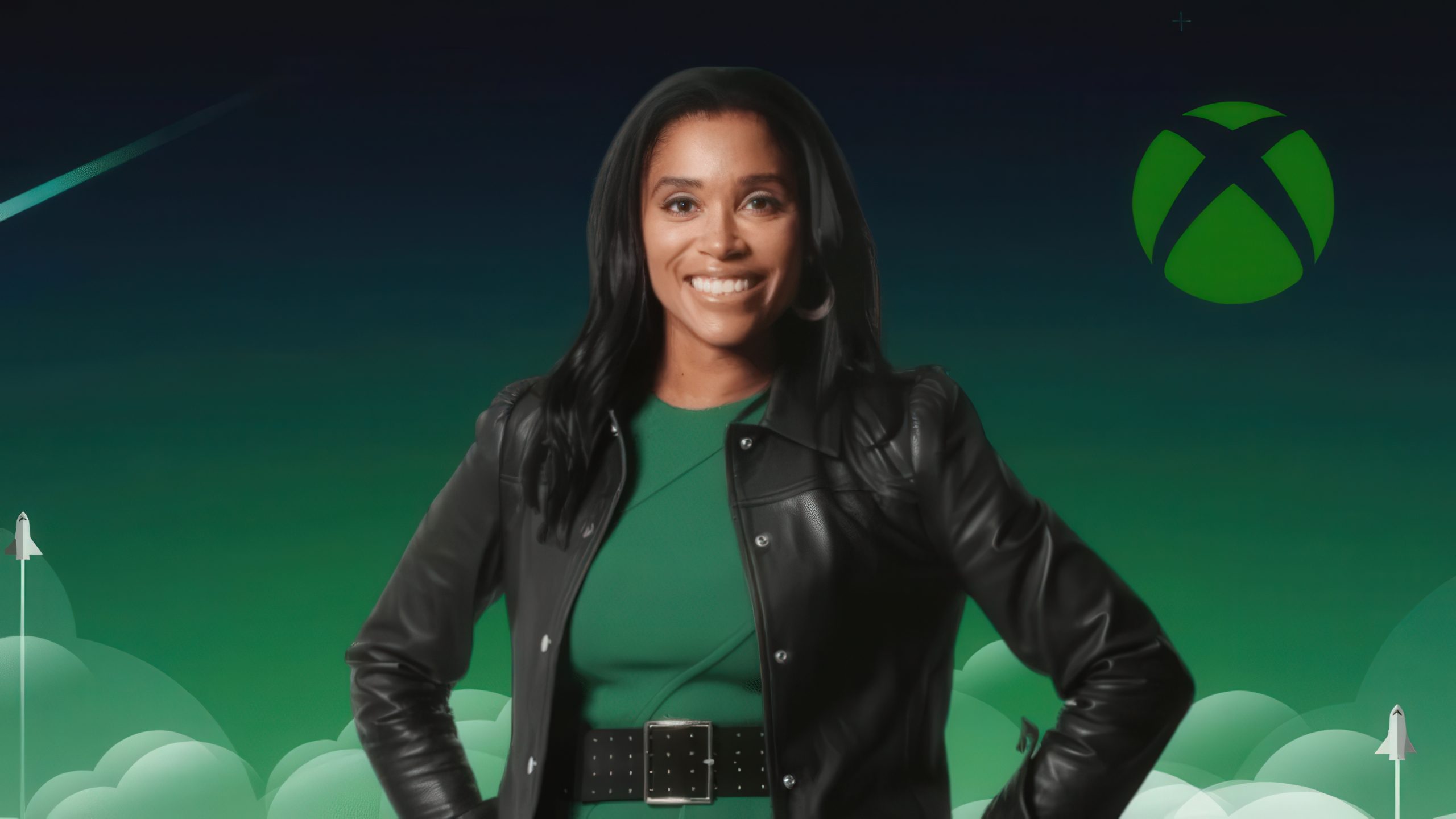
In a recent interview with Mashable, Sarah Bond, President of Xbox, delivered a bold claim: game exclusives are now “antiquated.” Her view marks a clear turning point in Microsoft’s gaming strategy – one that could reshape how we think about platforms, communities and the future of play.
The Shift in Game Ownership and Platform Strategy
“We’re really seeing people evolve way past that,” Bond said, referring to the model where a big franchise launches only on one device or through one store. “The biggest games in the world are available everywhere… And the idea of locking it to one store or one device is antiquated for most people.” This echoes the current movements in games such as Minecraft, Fortnite and Roblox – titles built on cross-platform communities and universal access.
For Xbox, this shift is both philosophical and practical. Microsoft traditionally leaned on exclusive games to drive console sales. Over the last decade, titles like Ninja Gaiden, Lost Odyssey and Blue Dragon were locked to Xbox – or gained expensive exclusivity deals. But as the console market matured and expectations changed, Xbox’s output of compelling exclusives dwindled.
From Console Exclusives to Platform-Agnostic Publishing
Starting around 2016, Microsoft began moving its first-party games to PC with the release of Quantum Break. Not long ago, a more ambitious pivot unfolded: in February 2024 Microsoft confirmed that games such as Sea of Thieves, Pentiment and Hi‑Fi Rush would land on PS4/5 and/or Nintendo Switch alongside Xbox and PC. Since then, further announcements followed: Gears of War: Reloaded, Forza Horizon 5, Age of Empires II: Definitive Edition, Senua’s Saga: Hellblade II, Indiana Jones and the Great Circle and DOOM: The Dark Ages. And now, titles such as Ninja Gaiden 4 and The Outer Worlds 2 aim for day-and-date release across multiple platforms.
Bond’s remarks are therefore not surprising: Microsoft has publicly stated that the next wave of Xbox experiences “won’t be tied to one device” or locked into a single game store. :contentReference[oaicite:19]{index=19} She emphasises a future of consoles, PC, cloud streaming and accessories as equal parts of the ecosystem.
Why the Move Away From Traditional Exclusives?
There are multiple drivers behind this change.
- Community-first model. Games like Fortnite, Roblox and Minecraft succeed less because of hardware exclusivity and more because they connect friends across devices. Bond’s comment emphasises that player communities are the new battleground.
- Platform saturation and hardware wars lost. Microsoft has candidly admitted that it did not win the console war. The company’s strategy now prioritises reaching players wherever they are, rather than forcing them onto Xbox hardware only.
- Live service economics. Games as a service thrive when they attract a massive user base across platforms. Limiting to one device restricts growth.
- Changing consumer attitudes. According to many gamers – and echoed in user comments below – exclusives are often seen as barriers, not benefits. One user put it simply: “Exclusives are dumb. You should be free to play whatever game you want on whatever hardware you want.”
Industry Tensions: Hardware Sales vs. Open Ecosystem
Not everyone is on board this open-platform approach. Competitors such as Sony and Nintendo still place heavy emphasis on device-specific big exclusives to drive console sales. For them, exclusives remain strategic assets.
The tension between scalability (releasing everywhere) and hardware differentiation (selling consoles) is real. While Xbox is embracing breadth, others are focusing on depth – first-party showpieces that only exist with their machine. The question: what happens to hardware margins when platform becomes less central?
What Does This Mean for Gamers?
For the average gamer, this shift may carry several implications:
- You’ll see more first-party Xbox games launch on PC, PlayStation or Switch day-one.
- Hardware choice becomes less relevant for access – whether you play on console or PC may matter less.
- Cross-play, cloud streaming and device flexibility will become more normal.
- If you’re a hardware-fanatic, the future may feel less about “owning the box” and more about ecosystem access.
Final Word
The era of console-locked exclusives is curiously fading – from standoffish platform strategies to open universality. Xbox is signalling that future gaming isn’t about which box you plug into, but who you play with, and where you play. As Bond put it: “You want to be able to play with your friends anywhere regardless of what they’re on.” It’s a bold statement, and one that could reshape how we look at games & platforms moving forward.
For now, hardware fans, traditional console allegiance and store exclusivity may feel like relics of a bygone era. Whether gamers embrace it or resist it, the shift is well underway.
2 comments
Exclusives? That would imply Xbox makes games
Well said lol