The Samsung Galaxy Z Fold 7 has arrived, and it brings with it significant changes to the foldable phone market. This new model marks a departure from the chunky design that was a staple of the Galaxy Z Fold series. Samsung has made the Z Fold 7 incredibly slim and sleek, possibly the thinnest foldable on the market. But in the process of achieving this slimmer profile, Samsung has made a notable sacrifice: it no longer supports the iconic S Pen. 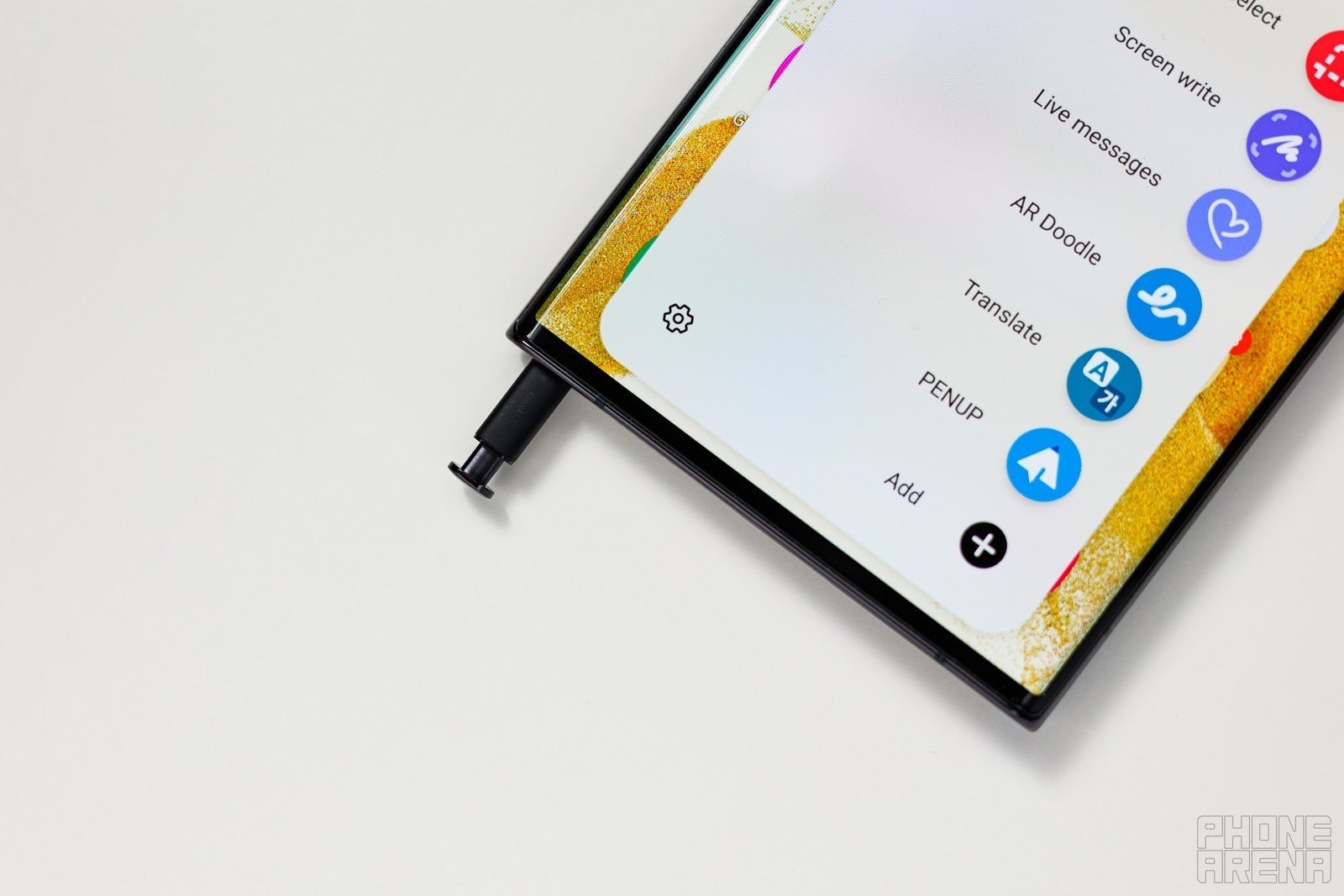
This decision, though understandable, leaves us questioning whether this trade-off was truly necessary. Other manufacturers like Honor and Oppo have managed to integrate active stylus support into their own foldable devices without compromising on thinness, proving that it is possible to offer both style and functionality.
Samsung’s foldable phones have long been known for their high-end construction, robust hardware, and impressive features. They come with premium materials, cutting-edge processors, fantastic camera setups, stunning displays, and a user interface that offers customization over Android. One of the most talked-about features, however, is the S Pen. It’s a tool that has been with Samsung for years, starting with the original Galaxy Note in 2011, and has continued to evolve since then.
The S Pen has earned a dedicated fanbase. It’s praised for its accuracy, responsiveness, and the ability to assist in taking notes, drawing, or navigating through the device. It’s a passive stylus, meaning it doesn’t require a battery to function, and this has made it a reliable tool for many users. Over time, Samsung has improved its functionality, adding Bluetooth capabilities in the Galaxy Note 9 to allow it to act as a remote control for various functions, such as taking pictures or controlling media playback. Despite the added Bluetooth features, the S Pen’s primary role has remained as a precise and dependable writing tool, with 4096 levels of pressure sensitivity and palm rejection.
Samsung’s partnership with Wacom, a leader in the digital pen industry, has played a crucial role in the development of the S Pen. Wacom’s expertise in digital pen technology, which is known for providing a writing experience that closely mimics pen-on-paper, has allowed Samsung to create an incredibly refined and responsive stylus. The digitizer beneath the screen is designed to detect inputs from both fingers and the S Pen, ensuring seamless interaction with the device. When using the S Pen, the phone disables the finger touch input to prevent accidental touches, offering a smooth experience with palm rejection that works automatically.
However, in order to achieve the ultra-thin design of the Z Fold 7, Samsung had to make a difficult decision: they had to drop the extra layer needed for the S Pen’s functionality. The additional Wacom digitizer layer, which previously allowed the phone to recognize S Pen input, was no longer feasible due to the slim profile of the device. This resulted in the decision to remove support for the S Pen entirely. Samsung’s decision to make this trade-off was hardly unexpected. Rumors had circulated prior to the Z Fold 7’s release suggesting that the device would not include S Pen support, and they were correct.
While the absence of the S Pen might disappoint some users, it’s important to note that this trade-off was made to achieve a thinner device. Samsung Mobile Experience Executive Director Kang Min-seok hinted that future Fold devices might bring back the S Pen, suggesting that this move is not permanent but rather a compromise for the time being. The big question now is: how will Samsung address the gap left by the removal of the S Pen?
Interestingly, Oppo and Honor, two of Samsung’s direct competitors in the foldable phone market, have managed to keep their devices thin while still offering stylus support. Oppo’s foldable lineup, including the Oppo Find N2, N3, and N5, as well as the OnePlus Open and Open 2, all support the Oppo Pen. Honor’s Magic V series, including the Magic V2, V3, and V5, similarly offers support for the Magic-Pen. These styluses, however, are not passive like the S Pen; they are active styli that require a battery and Bluetooth connectivity to function. Despite this, they still offer impressive features like 4096 levels of pressure sensitivity, angle detection, and palm rejection, making them a viable alternative for users who value stylus support.
The adoption of active styli by Oppo and Honor demonstrates that it is indeed possible to integrate stylus support into foldable devices without compromising on design. However, these active styli are not as seamless as the S Pen, which works without the need for pairing or charging. Using an active stylus requires more steps, and the user experience is slightly less fluid compared to Samsung’s more intuitive S Pen. Nonetheless, Oppo and Honor’s active pens do provide a functional alternative for users who need precise input and prefer the added features of pressure sensitivity and palm rejection.
It’s possible that Samsung was exploring similar solutions before opting to remove S Pen support altogether. Rumors suggested that Samsung was considering adopting an active stylus solution similar to the ones used by Oppo and Honor. However, it seems that Samsung couldn’t find a way to integrate this technology into the Z Fold 7 without compromising the slimness that they were aiming for. The question remains: will Samsung eventually adopt an active stylus solution for future Fold devices? And if so, will it be backwards-compatible with the Z Fold 7? Samsung could potentially release a software update that would enable stylus support through a Bluetooth-enabled active pen, but there’s no confirmation on this just yet.
In conclusion, the Samsung Galaxy Z Fold 7 is a stunning example of foldable phone design, offering an incredibly slim profile that pushes the boundaries of what is possible in a foldable device. However, the removal of S Pen support is a significant loss for users who rely on this feature. Samsung’s decision to make this trade-off highlights the challenges of balancing design, functionality, and user needs in the foldable phone market. While Oppo and Honor have found a way to offer active stylus support without sacrificing design, it remains to be seen if Samsung will follow suit in the future. For now, the Z Fold 7 stands as a symbol of both innovation and compromise, leaving us wondering what the future holds for Samsung’s foldable devices.
1 comment
Oppo and Honor are killing it with their foldables. Why can’t Samsung do the same? 🤔